How Uniforms Stifle Individuality in School
School uniforms have been a defining feature of education systems around the world for years. They’re seen as equalisers and were implemented to erase visible differences between students as well as promote unity and discipline. But as the conversation around individuality vs conformity continues to evolve, more educators and parents are beginning to ask if uniforms really serve students or if they suppress them?
At Abbotts College, we’ve learned that real growth comes from freedom, the freedom to think differently, act boldly and express who you are. That’s why re-examining how uniforms stifle individuality in school and what a more progressive approach can offer students of today.
The Origins and Purpose of School Uniforms
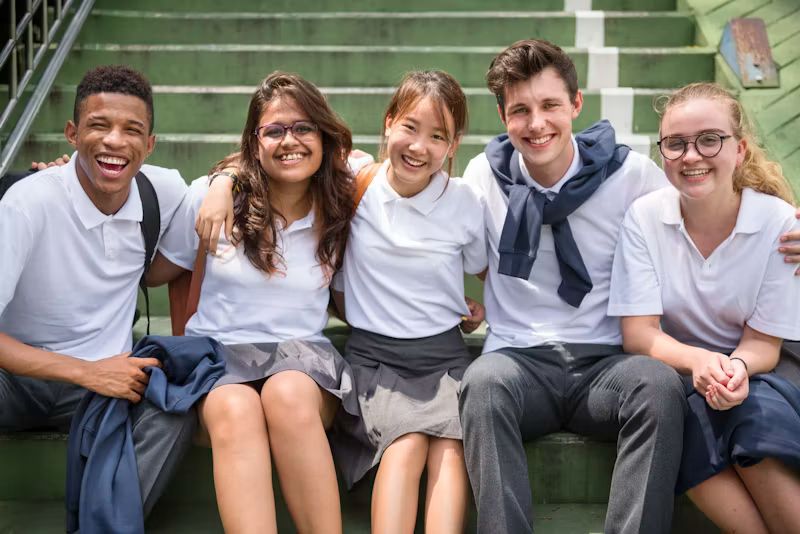
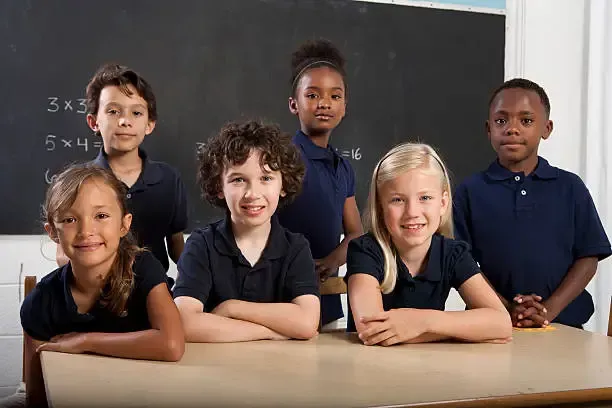
School uniforms were introduced centuries ago. Originally, they were used as a tool for creating order and equality. By dressing everyone in the same way, schools hoped to reduce distractions, encourage discipline and prevent social competition based on clothing.
While this approach has its merits, it also reinforces a system of conformity. Uniforms are meant to represent unity, however they can unintentionally blur individuality, which is the very quality that defines each student’s potential. Over time, many learners come to associate education with rules, restrictions and sameness rather than exploration and creativity.
As society evolves, it is important for our education systems to evolve too. The question now isn’t just whether uniforms make schools look neat, it’s whether they truly support the holistic development of young minds.
The Psychological Impact of Uniforms on Student Identity
There is a powerful link between dress and identity. Studies in educational psychology suggest that the ability to choose what to wear is a form of self-expression in schools that contributes to confidence, self-esteem and belonging.
On the other side of the scale, strict dress codes can lead students to feel controlled or overlooked. When individuality is suppressed, students may find subtle ways to rebel like rolling up sleeves, adjusting hemlines or expressing themselves through accessories or hairstyles. These small acts reveal something deeper, which is the natural human need to be seen as unique.
When we remove this opportunity, we risk stifling more than just style, we limit personality, voice and student creativity. All of this is important in developing innovative thinkers and confident leaders.
The Link Between Individuality and Student Development
Education isn’t just about knowledge. It’s about forming an identity too. Allowing students to express themselves helps them understand who they are, how they fit in and how they relate to others.
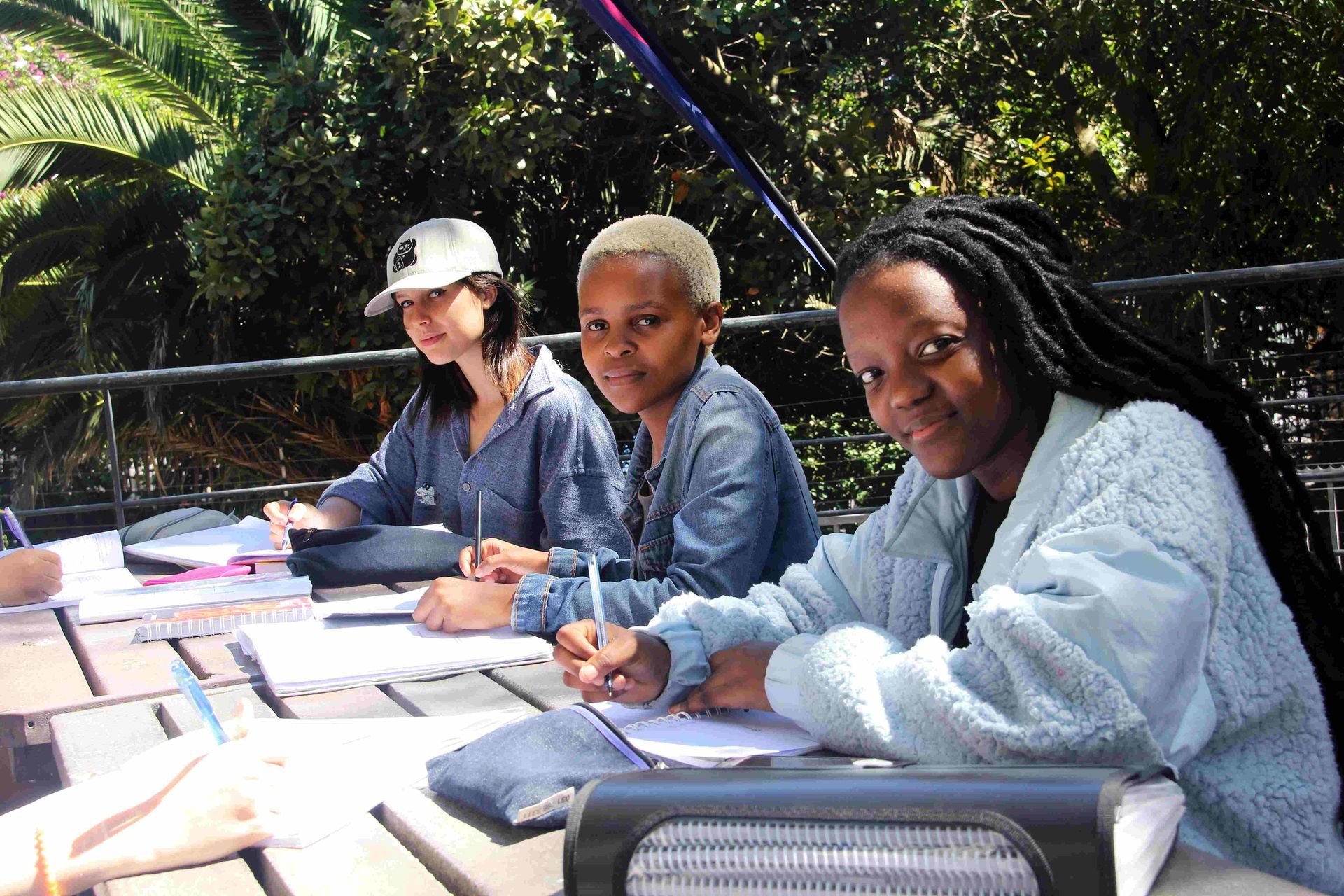
A school environment that embraces diversity in dress often fosters openness, empathy and confidence. When students are free to make choices like their daily attire, they learn responsibility and self-respect. This autonomy translates directly into academic motivation and emotional growth.
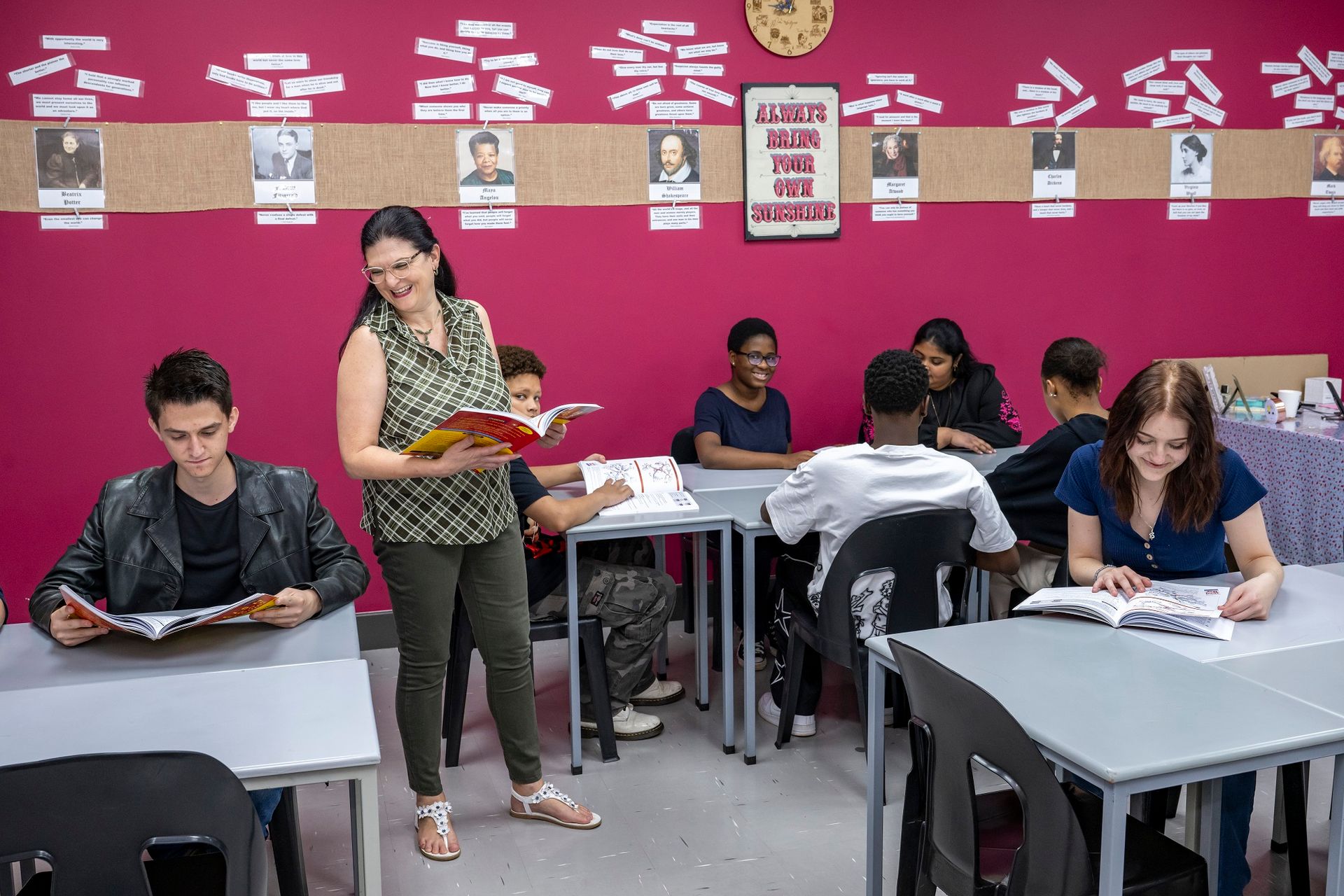
At Abbotts College, this is at the heart of what we do. We believe that individuality is not a distraction from learning; it’s the foundation for it. That’s why we’ve created an alternative learning school model that focuses on personal accountability, academic improvement, and respect for self and others.
Learn more about what we offer at Abbotts College.
Pros and Cons of School Uniforms
As with most things in life, there are pros and cons of school uniforms.
On the positive side, school uniforms can:
- Reduce peer pressure
- Save time in the mornings
- Establish a sense of equality
- Enhance safety
- Make it easier to identify students.
However, there are also significant drawbacks. Uniforms can:
- Suppress individuality
- Restrict creativity
- Contribute to disengagement among students who feel misunderstood or constrained.
Research from the Journal of Educational Research (1998) found that wearing uniforms had no measurable impact on student performance or behaviour. This challenges the long-held belief that conformity equals success.
When weighed carefully, it becomes clear that while uniforms might make students look the same, they don’t necessarily help them learn the same, or better.
South African Schools Without Uniforms
In South Africa, there are a number of institutions that are rethinking traditional dress codes. Abbotts College is proud to be among the schools pioneering non-uniform education, where individuality is celebrated rather than controlled.
At our school, students are encouraged to make choices. These choices are not only about what they wear but about how they learn and engage with the world. Their hairstyle, fashion sense or choice of shoes is not their education; it’s an extension of who they are. By removing unnecessary barriers to self-expression, Abbotts creates a learning environment that’s more authentic, inclusive and empowering.
For parents who are looking into alternative schools that put individuality at the centre of learning, Abbotts offers a refreshing change from the conventional education model.
Balancing Uniformity and Expression in Modern Education
Of course, not every school is ready to remove uniforms entirely, and that’s okay. What matters most is balance. Schools can begin by implementing flexible dress codes, introducing “dress-down” days or allowing students to have a voice in designing their uniforms.
The goal isn’t to discard tradition, but to evolve it, creating spaces that encourage respect, responsibility and student creativity alongside structure and discipline.
For families considering changing schools, it’s worth exploring environments that prioritise self-expression and growth over conformity.
Rethinking School Uniforms in South Africa
As we rethink how uniforms stifle individuality in school, one truth becomes clear: education should empower and not restrict. The freedom to express who you are through clothing, ideas, and actions builds the confidence and creativity needed for students to thrive beyond the classroom.
Schools like Abbotts College demonstrate that when students are trusted with choice, they rise to the occasion. They show pride in how they look and in how they learn, think and contribute to the world around them.
After all, individuality isn’t the opposite of unity; it’s the reason it exists. When every student is allowed to be themselves, education becomes exactly what it should be: a space where potential has no dress code.