Digital Natives in Crisis: Helping Gen Z Find Real-World Skills in a Screen-Dominated World
Generation Z is the first generation to grow up in a world that is fully immersed in digital technology. From social media and smartphones to streaming and AI-powered tools, technology has shaped the way they learn, how they communicate and how they experience the world. While being digitally fluent is a strength, there is also a growing concern about helping Gen Z build real-world skills that are essential for independence, relationships and long-term career success.
The aim isn’t to completely remove technology from their lives. Instead, it’s about creating a balance by ensuring that digital confidence is paired with strong offline capabilities.
What Makes Gen Z Different?
Gen Z is often described as true digital natives. This generation of children are very comfortable navigating online spaces, consuming information quickly and communicating with one another through digital platforms. However, constant exposure to technology has also influenced attention spans, communication habits and problem-solving approaches.
Many teens today have instant access to answers. This can reduce opportunities to practise trial-and-error learning. Combined with heavy screen time and Gen Z lifestyle patterns, this can shape how they approach real-world challenges.
The Real-World Skills Gen Z Is Losing
Experts are increasingly discussing concerns about these digital natives lacking life skills, particularly in areas that require face-to-face interaction or hands-on experience.
Key skill gaps include:
- Interpersonal communication and reading social cues
- Time management and sustained focus
- Critical thinking and independent decision-making
- Conflict resolution without digital mediation
- Physical-world problem-solving like budgeting, cooking, or basic repairs
These are core soft skills for Gen Z and they directly influence confidence, independence and Gen Z workforce readiness.
The Impact of Screen Overuse on Skill Development
Using screens and technology excessively can affect behaviour and skill development. Some common impacts include:
· Reduced in-person social interaction
· Over-reliance on digital tools for navigation, planning, and memory
· Increased overstimulation and difficulty focusing
· Higher likelihood of comparison-driven anxiety through social media
For these reasons (and others), many families are encouraging a digital detox for teens. This isn’t a form of punishment, but rather it’s an opportunity for teens to experience a reset. This can help young people reconnect with real-world experiences and learn as they go.
Teaching Real-Life Skills at Home
Naturally, parents play a critical role in developing real-world competence. Some practical step-by-step tips for parents include:
Step 1: Assign meaningful responsibilities
Give teens chores that will help them build life skills. This can include grocery planning or basic maintenance in the home.
Step 2: Teach financial literacy early
Involve teens in budgeting, saving and spending decisions.
Practical resources on how to guide teens through money management in everyday life can help families start these conversations naturally.
Step 3: Encourage offline family time
Create phone-free meals, outings or activities that encourage real conversation and participation.
Step 4: Involve teens in life planning
Let them help plan trips, manage schedules or organise family events.
Step 5: Model behaviour
Demonstrate emotional regulation, delayed gratification and self-discipline.
Parents can also support teens with structure using practical guidance similar to these time management strategies designed for high school learners and by helping them balance digital and real-world commitments.
How Schools Can Reinforce Practical Learning
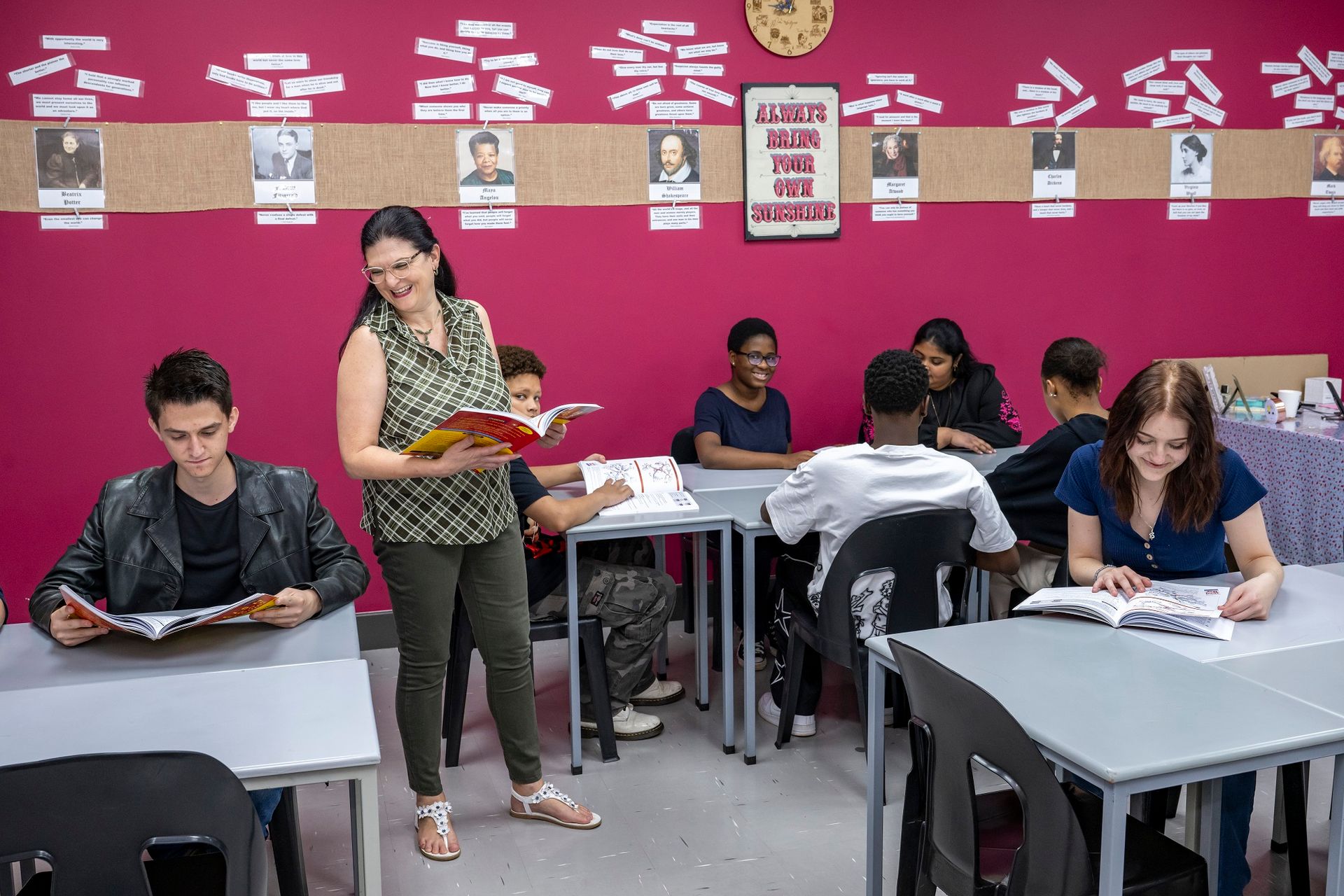
Schools can also play an equally important role in helping Gen Z build real-world skills by integrating practical experiences into learning. Effective approaches include:
- Life orientation modules focused on real-world decision-making
- Public speaking and teamwork projects
- Project-based learning tied to real-life scenarios
- Time management workshops
- Volunteering and community engagement programmes
Understanding how different learning environments prioritise independence and self-development can help families explore educational models that nurture holistic growth, including environments that focus on developing the whole student rather than just academic performance.
Empowering Gen Z to Self-Develop Offline Skills
Gen Z’s can also take ownership of building their own real-world confidence. Simple starting points include:
- Journaling to build emotional awareness
- Reading physical books to improve focus
- Learning basic cooking or home skills
- Practising face-to-face conversations
- Joining clubs, sports, or creative groups
- Taking on part-time work or volunteering
Exploring identity, community and personal development is critical during adolescence. Understanding how young people develop their sense of self within society can help guide this journey.
Technology Can Be Part of the Solution Too
Technology doesn’t have to be the enemy. When it is used with intention, it can support offline development. Helpful digital tools include:
- Habit tracker apps that reinforce routine building (Habitica, Habitify, Streaks)
- Financial literacy games (Greenlight, MoneyTime, Bankaroo)
- Career simulation platforms (Forage, Gamelearn, The Stock Market Game)
- Focus and mindfulness apps (Forest, Headspace, Fabulous)
The key is to use these apps intentionally. By using technology as a tool rather than a replacement for real-world experience, young people can develop the balance required to succeed online and offline.
Final Thoughts
Gen Z does not need to abandon technology. However, they do need balance. The future workplace and society require emotional intelligence, adaptability, communication as well as practical problem-solving. By focusing on helping Gen Z build real-world skills, families and schools can ensure that young people are prepared not only for their exams and careers, but also for life itself.
When digital confidence is paired with strong real-world capability, Gen Z is uniquely positioned to thrive in this ever-changing world. The goal is not to reduce their technological advantage but to strengthen it with the human skills that technology can never replace.