A Day in the Life at an Alternative High School
Key Takeaways
- A day in the life alternative school is structured but not rigid – intentional pacing replaces institutional routine
- Smaller classes change the quality of every academic session, every interaction, and every break
- Mornings begin with calm and connection rather than crowd management
- Afternoons are where individual learning, mentorship, and goal-setting happen most naturally
- The quality of student-teacher relationships is not a bonus feature – it is the thread running through everything
- Students who struggled in conventional settings often find that an alternative structure unlocks engagement and progress
- The best way to understand the experience is to visit a campus and see it firsthand
A morning at Abbotts College doesn’t start with a bell like in mainstream schools. There isn’t a surge of students through corridors or a teacher talking at a board while thirty learners copy notes in silence. From the moment students arrive, something feels different, more deliberate, more human and more settled.
For many parents and students, an alternative school daily routine is genuinely difficult to picture without a frame of reference. This article offers an honest, specific account of how a day in the life of an alternative school unfolds from first arrival to final period.
What Makes an Alternative School Day Different?
Before taking a walk through the day, it helps to first understand the structural differences that shape it. How is an alternative high school different from a normal school? The differences are intentional:
- Class sizes are smaller. This changes the quality of every interaction between teacher and learner
- Pacing adapts to the individual and not to an average
- The environment prioritises genuine engagement over compliance and performance
- Students are treated as active participants in their own education, not passive recipients of content
If you are new to this conversation, our guide to alternative education covers what alternative schooling means in fuller detail. What follows is what it looks like on an average Tuesday morning.
Morning: Starting the Day With Intention
Arrival at an alternative high school tends to be calm. Without a whole-school assembly or packed form period to navigate, students settle into the day at a relaxed pace. Mornings often begin with structured independent work, a check-in with a mentor or a focused academic session in a small group.
This matters more than it sounds. The way a school day begins sets the tone for everything that follows. Students who arrive anxious, overwhelmed or invisible in a crowd of hundreds carry that into their first lesson. Students who arrive and are greeted by name, who have a moment to orient themselves before the work begins, carry something different.
The alternative school daily routine starts from a position of calm rather than management.
Academic Sessions: Structure Without Rigidity
Is alternative school structured or self-directed? The honest answer is both. Timetabling is purposeful. Lessons exist for a reason. They aren’t simply periods to be endured until the bell. What changes is how they are experienced.
Subject sessions are smaller and more interactive. A teacher in a room of fifteen can read the room, slow down when something isn’t landing, and accelerate when the group is ready. Students are more likely to ask questions without social risk and contribute ideas without fear of judgement. They work collaboratively because the environment makes collaboration natural rather than performative.
Do alternative school still follow a curriculum? Yes, the IEB curriculum is followed rigorously. The difference is in how it’s delivered, not in what is taught. How Abbotts approaches learning is rooted in this principle: academic rigour and individual responsiveness aren’t in conflict. They reinforce each other.
Breaks and Social Time: Connection on Their Own Terms
What is the social environment like at an alternative school?
Break time in a smaller school community looks and feels different from a mainstream one. Without the social hierarchies and ambient anxiety that characterise these large environments, students tend to form more genuine connections during unstructured time.
This isn’t incidental. Social wellbeing and academic engagement are directly linked. Students who feel safe, seen and comfortable during breaks return to afternoon lessons in a fundamentally different state than those who spent lunch navigating a fraught social landscape.
For many students who arrive from mainstream schools, this shift alone is significant.
Afternoon: Independent Work, Projects, and Mentor Time
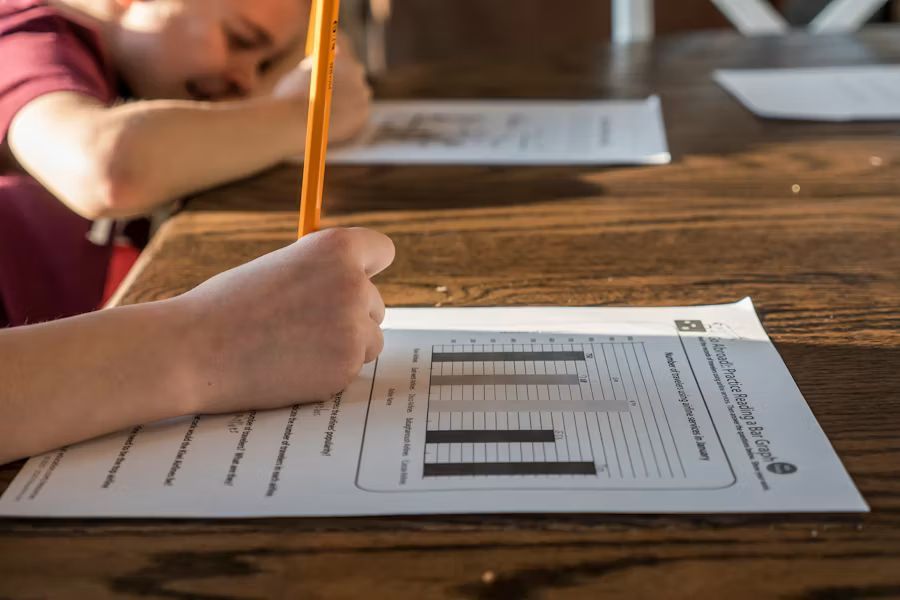
The afternoon is often where the most individualised learning happens. Students may be working through self-directed tasks, completing project-based work, receiving one-to-one or small-group support or sitting with their mentor to review progress and set goals.
This reflects a core commitment of what students do at an alternative school each day. They’re treated as individuals with specific needs and a specific pace, not as one unit in a class of thirty. Teachers are accessible in a way that is rarely possible in conventional school environments – not as a reward for students who push through, but as a baseline expectation of the model.
The Role of Mentorship and Relationships Throughout the Day
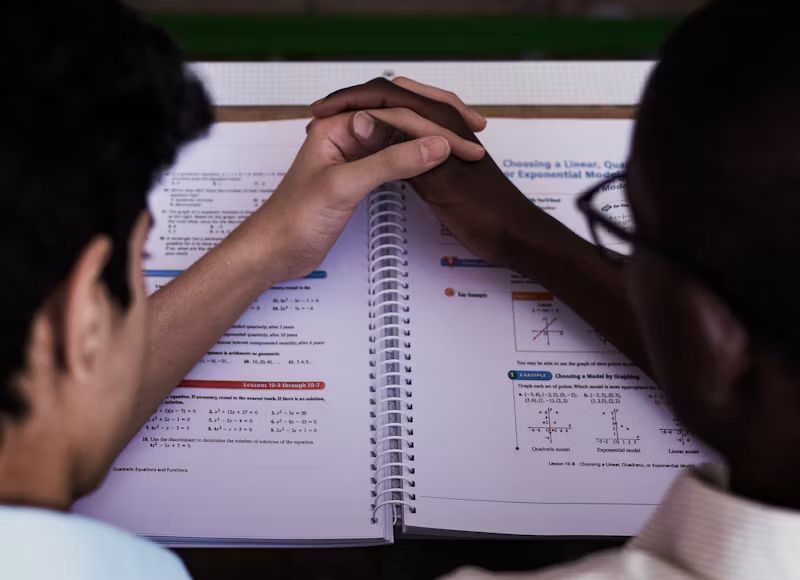
What runs through every part of the day, from morning arrival to afternoon dismissal, is the quality of the relationships between students and staff. In a smaller, intentional school community, teachers know their students well. They know their learning profiles, anxieties, strengths and where they’re headed.
This changes the experience of school for students who previously felt unseen. Being known isn’t a soft benefit alongside academic outcomes. It’s one of the conditions that makes academic outcomes possible.
To understand more about this dimension of school life, explore what the Abbotts student experience looks like and the relationships that shape it every day.
Is This What Your Child's School Day Could Look Like?
Is Abbotts College a good fit for my child? Consider the day described in this article, not as a sales pitch, but as a genuine question. Does it sound like what your child needs?
Students who tend to thrive in an alternative school environment include:
- Those who have struggled academically or socially in large mainstream settings
- Students with anxiety or learning differences who need a more responsive structure
- Learners who are capable but disengaged, who need a different kind of environment to unlock their potential
- Students who simply don’t fit the conventional mould and have spent years being told that’s their problem
What is alternative school like in practice is best understood by seeing it firsthand. Find your nearest Abbotts campus and experience the environment for yourself