Listen Before You Fix: Why Teenagers Need to Feel Heard
Active listening, honest conversations and healthy parental role modelling can help teenagers feel safe enough to speak openly about their mental health.
A teenager finally opens up about a difficult day. Before they have finished speaking, the advice begins: work harder, ignore the comments, stop worrying. The intention is love, but the message received may be very different: your feelings need correcting.
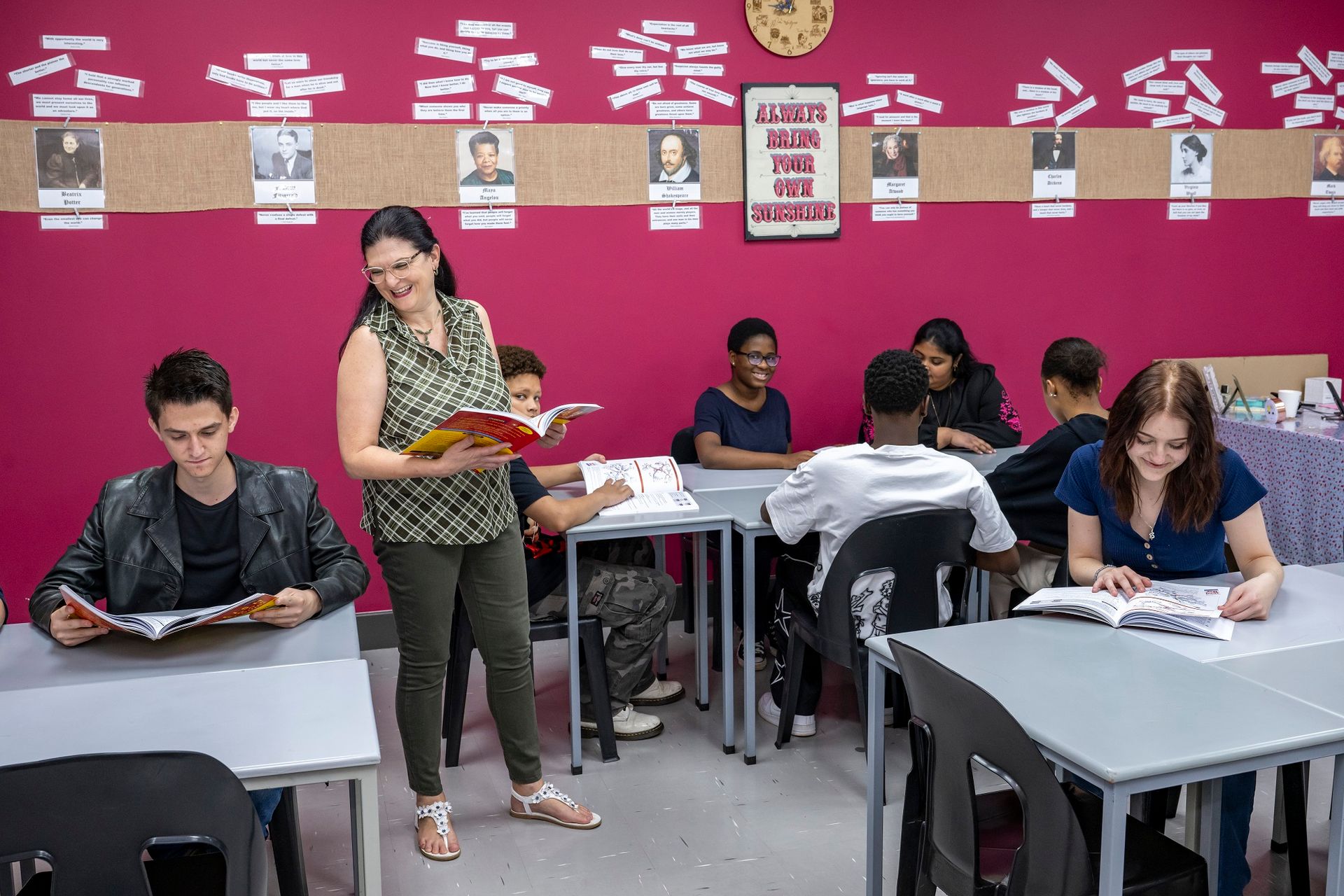
This World Mental Health Day, on 10 October, Marion Kohler, Principal of Abbotts High School Bordeaux, encourages parents to consider what changes when they listen to understand before stepping in to solve.
Teenagers navigate academic expectations, complex friendships, questions of identity and the relentless visibility of social media. Greater access to information and opportunities does not necessarily make growing up easier.
“If every conversation ends with correction, advice or comparison, eventually a teenager learns that it is safer not to talk,” says Kohler.
Make room for the real answer
Kohler explains that emotional safety means knowing that honesty will not immediately lead to ridicule, humiliation or judgement. Clear boundaries remain essential, but an adult’s first response can determine whether a conversation continues.
“It sounds like, ‘Tell me what happened,’ before ‘How could you do that?’” she says.
Active listening requires parents to put down their phones, allow teenagers to finish and resist preparing a response while they are still speaking.
One practical question can help establish what support is needed: “Do you want me to listen, help you find a solution, or give you some space?”
“That small question gives a teenager some ownership of the conversation,” says Kohler.
Responses such as “That sounds difficult” or “I don’t necessarily have the answer, but I’m here to listen” acknowledge feelings without demanding immediate optimism.
Ordinary moments can also create valuable openings. Kohler recalls that some of her best conversations with her sons happened in the car, where there was no forced eye contact or formal announcement that a serious discussion was required.
Maintain boundaries while building trust
Listening does not mean removing rules or accepting every action.
“Validation isn’t the same as agreement,” Kohler explains. “You can acknowledge someone’s feelings while still explaining that a particular behaviour isn’t acceptable.”
Parents can recognise frustration while maintaining a reasonable boundary. Academic conversations deserve the same balance: encourage effort and responsibility without making results a measure of a student’s worth.
“We absolutely want our students to strive for excellence. High expectations and mental wellbeing are not opposites,” says Kohler. “A mark is feedback; it is not an identity.”
Recognising kindness, creativity, courage, improvement and resilience alongside achievement helps students understand that a disappointing result does not define their future.
Model the coping skills teenagers need
Teenagers observe how adults respond to pressure. Constant self-criticism, working beyond physical limits and treating rest as laziness can influence their understanding of adulthood.
“We need to model a healthier relationship with ourselves,” says Kohler.
Parents can acknowledge a difficult day and explain that they are taking time to walk, read or rest. Such honesty demonstrates that difficult emotions can be managed without making teenagers responsible for adult wellbeing.
Shared meals, time outdoors, family traditions and humour offer simple opportunities for connection.
Create a team around the student
Kohler describes Abbotts’ Freedom with Purpose philosophy as increasing independence alongside responsibility. Students should feel able to question, express themselves and disagree respectfully.
Teachers strengthen that environment by knowing students as individuals and responding with curiosity when behaviour or participation changes.
Parents and teachers can share their observations to understand the bigger picture.
“When those two perspectives are brought together respectfully, we can often see the bigger picture,” says Kohler.
This World Mental Health Day, the challenge is to make listening an everyday commitment. Each conversation handled with patience, respect and thoughtful boundaries builds trust. That trust gives teenagers somewhere to turn when life becomes difficult, and the confidence that their voice will be heard.