
5 Time Management Tips For High School Students
February 21, 2020
Tips On How To Manage Your Time More Effectively

Mastering time management can be a challenge, no matter what stage of your life you’re in. For those who have just entered high school, this is an ideal opportunity to master important skills. Maximising time is one of them and can easily be learned through these tips.
1) Create a daily to-do list
Every day deserves its own list and on here, you can itemise what needs to be done and in what order. This will help with your time management as you’ll be able to see exactly what must be completed in a day. You’ll be more likely to feel a sense of achievement as well, proving just how much you can get done.
2) Be smart with those spare minutes
A large part of time management in school comes with the realisation that you could be using your free time better. Whether it’s reading instead of watching TV or choosing an interesting documentary over a fictional series, there are many ways to do this. You could also learn a new skill or language as opposed to spending hours in front of the television.
3) Don’t skip a good night’s sleep
If you’re not sleeping properly, there’s a pretty good chance you won’t be using your time productively. The more tired you are, the less likely you are to work at 100%. Sure, there might be times where you have to study later than usual or complete a project but don’t make this a habit. When you’re exhausted, every task seems extra difficult for both your mind and body. Make it easier on yourself by catching those z’s.
4) Stop wasting time by worrying
There are stresses that you will encounter on a daily basis but worrying about them doesn’t help. If you had to add up how much time you wasted worrying, it would blow your mind. A fear of doing something stops you from doing it, which would explain why worrying leads to procrastination. Want to get things done? Quit worrying and start doing. Plus, adding worry to the equation never helped anything anyway.
5) Ask for help when you need it
You might want to do everything yourself but nobody can do it all without help. If you feel like you need a little assistance, don’t feel shy to ask for it. Not only will this help you get things done, but you’ll also get things done faster. If you go it alone and struggle, who knows how long things might take.
At Abbotts College, we support every student so that they can go on to achieve everything they set their minds to. This includes our supervised homework sessions
that allow our students to make the most of their time and get help when they need it most.
To read more on us and our schools, please click here.
If you’re ready for your child to join us, please visit the following link to apply:
For a more general enquiry, please address it to us here:

Trying to decide between a gap year and university after matric? Compare the pros, cons and alternative pathways to help you choose with confidence.
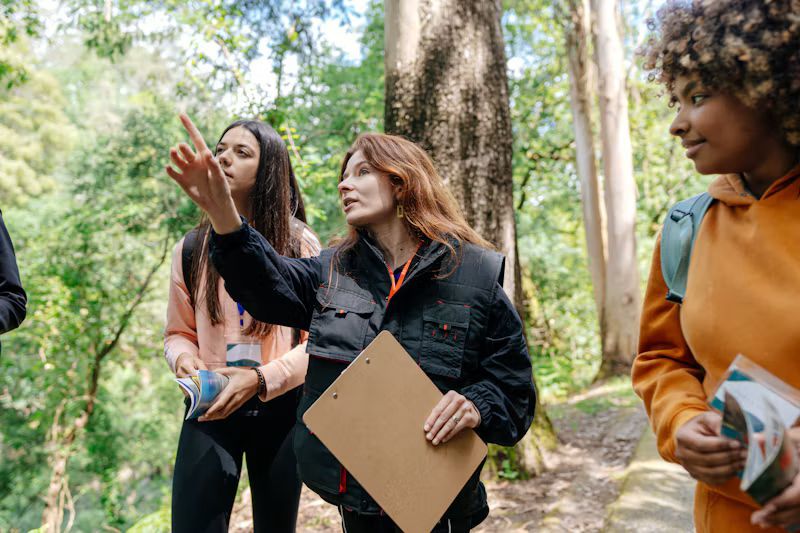
Wondering what to ask on a school tour? Discover the key questions every parent should ask at a school open day to find the right fit.

Active listening, honest conversations and healthy parental role modelling can help teenagers feel safe enough to speak openly about their mental health.

Bringing more than 21 years of educational experience to Randburg, Marion Kohler is building a school where students are known, supported and inspired to achieve their potential.

Abbotts High School Bordeaux will open its doors to Grade 8 and Grade 9 students, offering an exciting educational experience where individuality is celebrated, academic ambition is encouraged and every student is known.

Prepare effectively for IEB matric exams with subject-specific study strategies for Maths, English, Sciences & Humanities. A practical guide for Grade 12s.

Wondering what an alternative high school day really looks like? Discover the structure, relationships & student experience that make it different.

Do alternative schools deliver strong academic results? An honest comparison of outcomes between independent and mainstream schools and what the data shows.

Not sure how to compare private schools? Use this practical evaluation guide to assess quality, culture, academics, and value before you commit.

Not sure how the IEB exam system works? Discover what the IEB assesses, how results are calculated, and what it means for your child’s future in plain, simple terms.