How To Teach Your Teenager About Money
July 29, 2020
Teaching your teen about financial literacy

When it comes to teaching teens about money, parents can find this rather tricky. As much as we want to give in and deliver everything that they ask for, it’s important that they come to understand the value of money and why they need to conserve it. How should you tackle the topic of financial literacy with your teenager? Here’s what we suggest.
1. Help them set some goals
Whether it’s a new skateboard or smartphone, coming up with a savings plan will teach them how to save, the value of money and even how rewarding it is to work for what you want. You’ll also be teaching them delayed gratification, something that can only help them in later life.
2. Show them how to earn money
Do they need to get a part-time job, sell sports equipment they aren’t using or help out a little more around the house? Part of financial literacy is teaching kids that money is something that needs to be earned. It can’t just be expected or asked for. If there’s pocket money in place, what do they need to do to earn that allowance? Remember, a handout never helped anyone.
3. Teach them the difference between wants and needs
When you’re young, everything you desire is something you need. You need new clothes, a new laptop and even that bar of chocolate. As you come to learn the value of money and what it takes to get these things, you soon learn to separate your wishes into needs and wants. Helping your child identify both from a younger age is a great way to lessen frustration when they don’t get what they want. They’ll also be practising that delayed gratification we spoke of earlier. This will lead to less impulsive purchases and fewer financial dips later on in life.
4. Give them a budget
If you are going to treat them to some new clothes or treats, give them a budget and take them shopping. Let them become aware of pricing and have them add up the value of the items that they want. What should they put back in order to fall within the budget? This helps them make sensible choices and not to spend above their means.
5. Talk about money
Have conversations about money, budgeting and saving from a young age. This will help open up the narrative surrounding finances, which will result in healthier spending. It’ll also help your child speak up if they ever fall into debt one day, something many don’t mention until it’s almost too late.
6. Let them make mistakes
If they want to blow their pocket money on something silly, let them. Sometimes, they only need to do this once before they realise that their money could have been better spent somewhere else. It’s better for them to learn this now than later in life when they have greater expenses and responsibilities.
Non-traditional learning for a lifetime of success
At Abbotts College, our learning approach builds important life skills that enable every student to reach their goals and truly thrive. To learn more about us and our schools, please click here.
To apply for your child to join us, please visit the following link: Apply here
If you have a general enquiry, please address it to us here: Enquire here

Prepare effectively for IEB matric exams with subject-specific study strategies for Maths, English, Sciences & Humanities. A practical guide for Grade 12s.

Wondering what an alternative high school day really looks like? Discover the structure, relationships & student experience that make it different.

Do alternative schools deliver strong academic results? An honest comparison of outcomes between independent and mainstream schools and what the data shows.

Not sure how to compare private schools? Use this practical evaluation guide to assess quality, culture, academics, and value before you commit.

Not sure how the IEB exam system works? Discover what the IEB assesses, how results are calculated, and what it means for your child’s future in plain, simple terms.

Not sure how to guide your teen through career planning? Get practical tips on strengths, subject choices & career paths after matric.
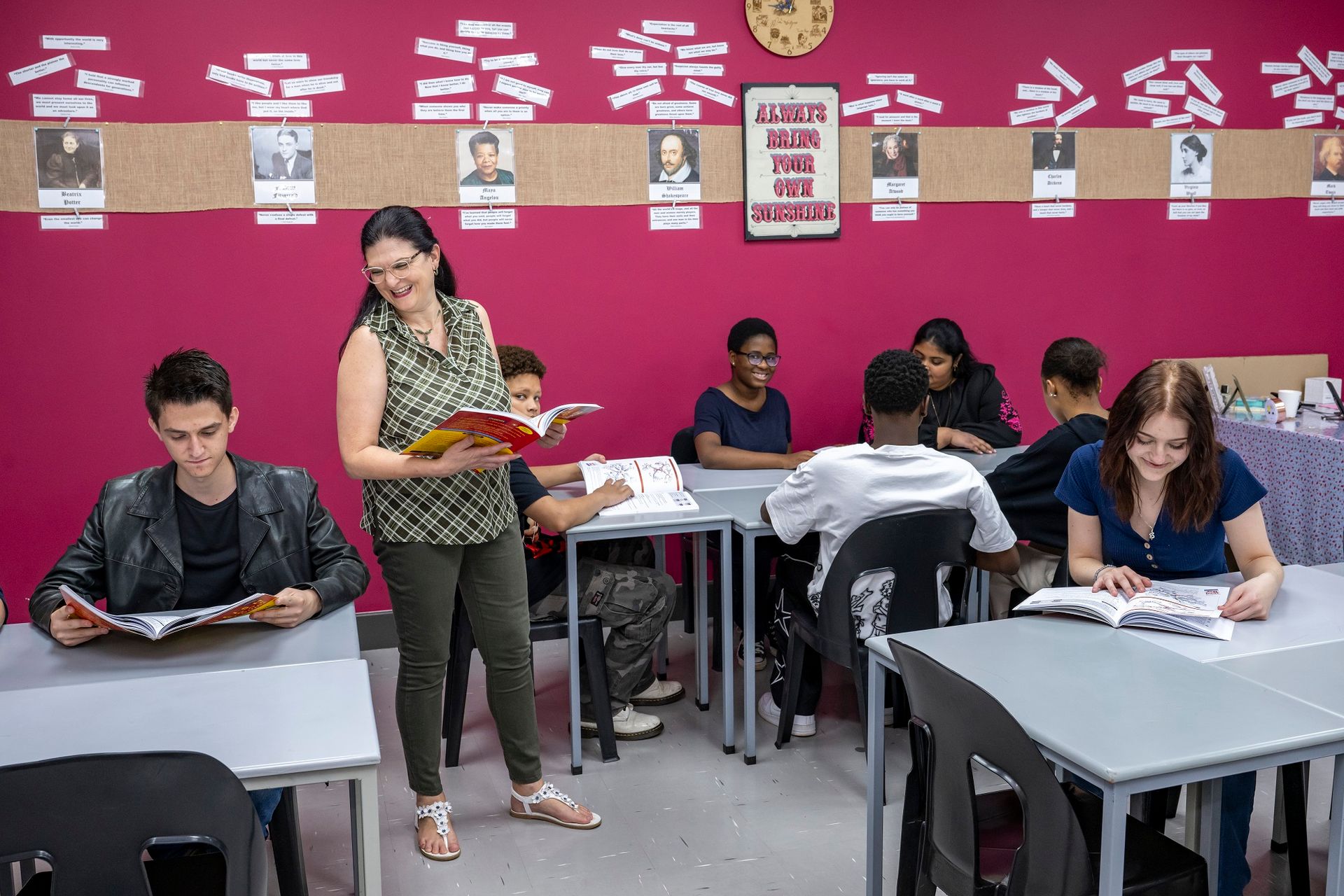
Discover how small class sizes benefit students academically, emotionally and socially. Learn why class size is one of the most important factors when choosing a school
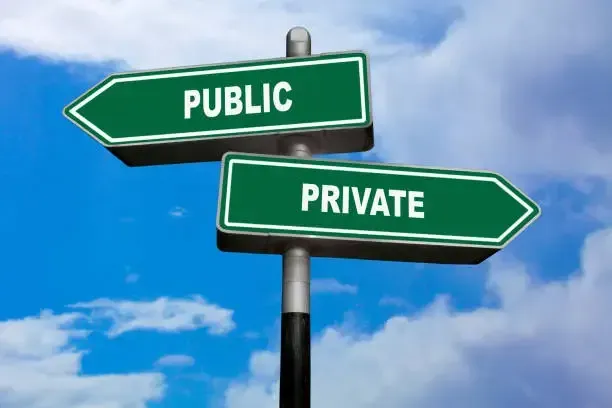
Weighing up private vs public school in South Africa? Explore the honest differences in curriculum, fees, class size and outcomes to make the best choice for your child

Our complete 2026 guide covers curricula, fees, school culture, campus visits, applications, and everything parents need to make the right choice for their child.

Wondering whether the IEB or NSC is better for your child? Our 2026 guide breaks down the key differences in curriculum, assessment, university recognition, and outcomes so you can make the right call.