Healthy Eating
Abbotts College Johannesburg South • February 27, 2020
Have you ever heard the saying ‘An apple a day, keeps the doctor away’ or ‘You are what you eat’? There is a lot of truth to these sayings.
We are facing a huge problem in our society today because of poor lifestyle choices, one of the main ones being food. Unfortunately, people tend to consume more junk food these days. Most of the food being consumed is also highly processed, includes high volumes of bad fat and are loaded with salt and sugar. Junk food has become very popular as it tends to be cheaper and easily accessible. Some companies even promote these foods as being good for you, but the truth is that these foods are unhealthy and can even cause illnesses in the long term.
Ever wondered why our kids always seem tired and lethargic? Knowing that they’re much younger than us, we would expect them to be like little energiser bunnies! The reason for this is mainly because of their diets. Kids should be kept fit enough to be able to concentrate on their academics and extra mural activities. Eating balanced meals at the right times will help fuel their bodies for all of these activities throughout the day.
Food is our source of energy. Kids need food rich in minerals, nutrients and fibre. Their diets should include whole grain foods, dairy products, lean cuts of protein, fruit, vegetables, nuts and seeds.
Drinking enough water goes hand in hand with healthy eating. There is no universally agreed quantity of water that must be consumed but, we need to remember that 60% of our body is made up of water. Water performs such important functions such as lubricating joints, delivering oxygen, cushioning sensitive tissue and gets rid of waste from our body among other things.
Bad nutrition can affect your physical development, your ability to concentrate and remember things as well as your behaviour. As parents and teachers, it is our responsibility to educate kids on the healthy life choices that are available to them. Let’s make 2020 the year that we start making important lifestyle changes.
5 Tips for packing a healthy lunch:
1. Get the kids involved.
Taking kids with when you go grocery shopping allows them to get involved and decide for themselves what they want to eat.
2. Make your own snack.
Processed and packaged foods have a high sugar and salt content. Making your own snacks allows you to prepare healthier alternatives.
3. Water, water and more water.
If kids find water too ‘boring’ add some flavour by adding cut up fruit pieces.
4. Limit your treats.
As parents we are often tempted to pack sweet treats. Try to avoid this as some kids may fill up on the treats and never get to the healthy stuff.
5. Make it fun.
Many kids get bored of eating the same things every week. Don’t be afraid to switch it up and try new recipes.

Prepare effectively for IEB matric exams with subject-specific study strategies for Maths, English, Sciences & Humanities. A practical guide for Grade 12s.

Wondering what an alternative high school day really looks like? Discover the structure, relationships & student experience that make it different.

Do alternative schools deliver strong academic results? An honest comparison of outcomes between independent and mainstream schools and what the data shows.

Not sure how to compare private schools? Use this practical evaluation guide to assess quality, culture, academics, and value before you commit.

Not sure how the IEB exam system works? Discover what the IEB assesses, how results are calculated, and what it means for your child’s future in plain, simple terms.

Not sure how to guide your teen through career planning? Get practical tips on strengths, subject choices & career paths after matric.
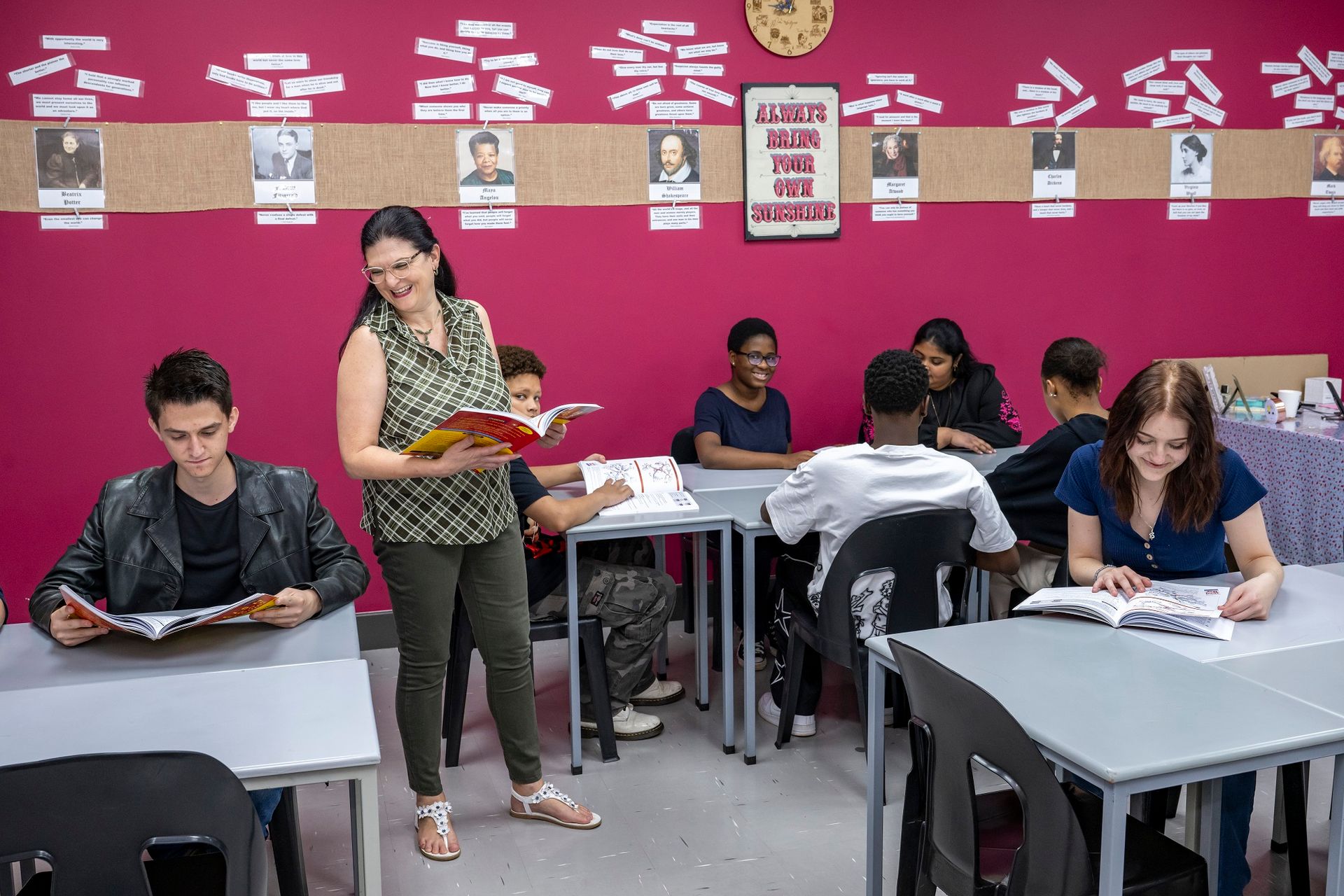
Discover how small class sizes benefit students academically, emotionally and socially. Learn why class size is one of the most important factors when choosing a school
Weighing up private vs public school in South Africa? Explore the honest differences in curriculum, fees, class size and outcomes to make the best choice for your child

Our complete 2026 guide covers curricula, fees, school culture, campus visits, applications, and everything parents need to make the right choice for their child.
Wondering whether the IEB or NSC is better for your child? Our 2026 guide breaks down the key differences in curriculum, assessment, university recognition, and outcomes so you can make the right call.