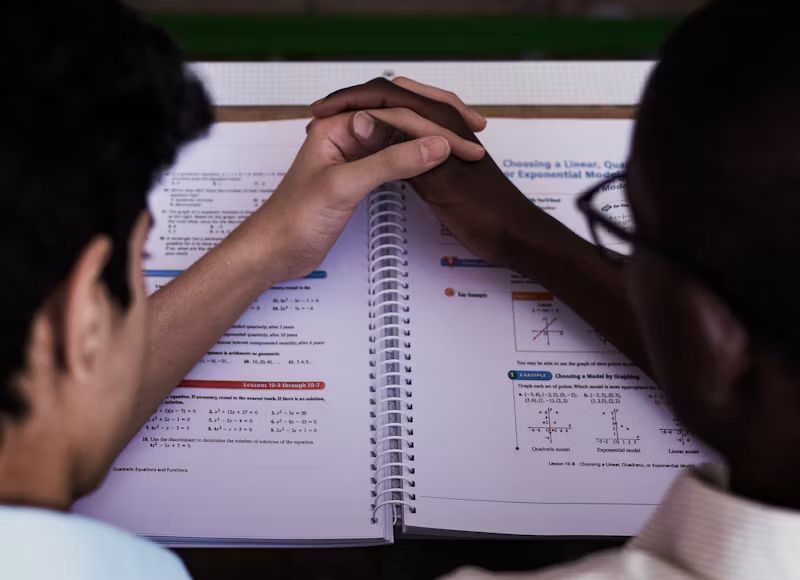
STRESS LESS, ACHIEVE MORE: PARENTAL STRATEGIES TO SOOTHE EXAM NERVES

Tobi van Rhyn • November 6, 2024

As the final exam season approaches for learners across primary and high schools, tensions are mounting in South African homes. This phase can cause increased levels of anxiety and despair, which is an increasing concern in the country and under our youth. Parents play an important role in assisting their teenagers in navigating these emotions by giving emotional and practical support to ensure academic success while maintaining mental health, says Leandri Fick, who recently took over the reigns as Principal of Abbotts College PTA East.


“Research shows a concerning trend of increased anxiety and despair among South African youth, particularly during exam season. According to 2022 research by the South African Depression and Anxiety Group (SADAG), approximately one in every five young people suffers from debilitating anxiety, and suicide is still the second greatest cause of mortality among young people. Teens may feel overwhelmed by academic achievement, familial expectations, and social comparisons.


Final exams are often a cause of increased stress. The results of these exams are frequently regarded as a watershed moment, deciding future educational and professional prospects. For many teenagers, the apparent "all or nothing" stakes can lead to anxiety or depression, necessitating parental intervention and assistance.


THE ROLE OF PARENTS

Parents are usually a teenager's first line of defence against overwhelming stress, but determining how to assist during such a critical period can be challenging. A balanced approach, which provides assistance without increasing the pressure, can make all the difference. So what can parents do?


1.     Create a supportive environment
A loving, stress-free family atmosphere can help teenagers cope with their emotions. Simple gestures such as providing a peaceful study environment, eating healthy meals, and maintaining a regular sleep pattern can help reduce stress. Encourage breaks and promote activities such as exercise, which have been shown to lower anxiety.
 

2.     Maintain open communication
Open communication is essential. Let your tween or teenager know that it is acceptable to discuss their worry, anxieties, or disappointments. Validating their feelings rather than discounting their fears promotes emotional resilience. Be available for chats without constantly reminding them of their examinations, as this can exacerbate their nervousness. Ask open-ended questions, such as "How are you feeling about your exams?" rather than focusing entirely on their study schedule or test preparation.
 

3.     Recognise warning signs of anxiety and depression
Early intervention requires awareness of anxiety and depression symptoms. These can include withdrawal from family and friends, changes in diet or sleep patterns, impatience, and even physical complaints like headaches or stomach aches. If these symptoms appear, it is critical to get professional assistance from a school counsellor, psychologist, or GP. SADAG provides helplines exclusively for young people who may be dealing with their mental health.
 

4.     Help with time Management, but don’t micromanage
Many teenagers fail to manage their time effectively during exams. Helping them break down their study materials into digestible bits and organising study sessions can make the process less intimidating. Avoid micromanaging their time or enforcing extremely stringent routines, since this could exacerbate their feelings of overwhelm. Encourage them to work at their own pace and provide mild guidance as needed.
 

5.     Shift the focus from results to effort
Parents should celebrate their children’s effort, rather than the outcome. When the focus switches to the work they're doing rather than their ultimate grades, it can help to alleviate the tension connected with exam results. Emphasise that while tests are essential, they do not define the child’s worth or potential.

Parents’ participation in their child’s exam preparation is multifaceted. Parents can assist in reducing anxiety and depression during this difficult period by creating a supportive environment, encouraging open communication, recognising indicators of mental discomfort, and promoting balance. Teenagers' long-term mental health should always take precedence over short-term academic achievements, ensuring that they leave exam season not only as accomplished students, but also as emotionally robust young people.


MENTAL HEALTH SUPPORT RESOURCES

·       Your school counsellor / psychologist.

·       South African Depression and Anxiety Group (SADAG) https://www.sadag.org/

·       Netcare Akeso https://www.netcare.co.za/netcare-akeso

March 4, 2026
ADvTECH SCHOOLS CLAIM TOP HONOURS IN WESSA CENTENARY AWARDS
White and black chess pawns face each other on a chessboard against a blue background.
February 10, 2026
Discover how social media intensifies academic pressure among South African teens. Learn what causes comparison anxiety and how to foster healthier digital habits.
Two people work on laptops at an outdoor table; green table, trees, and buildings are in the background.
February 10, 2026
Explore how Gen Z can develop real-life skills in an era of digital saturation. Strategies for parents, educators, and youth to balance screen time with real-world growth.
Person in blue hoodie, hands covering face, seated indoors, appearing stressed.
February 6, 2026
Discover how South African high school students can identify and manage academic pressure to prevent burnout. Practical tips, signs to watch for, and expert advice.
Graduating students tossing caps in the air during a ceremony; black backdrop.
February 6, 2026
Explore career and education alternatives to university for South African Matric students in 2026. Learn about vocational training, online courses, gap years, and more.
two students walking through a school campus
December 18, 2025
Discover how school uniforms impact student self-expression and explore progressive South African schools that promote individuality over conformity.
Smiling person writing in notebook in front of chalkboard with text.
December 18, 2025
Discover how balancing freedom and structure helps teenagers develop confidence, resilience, and life skills. Learn practical strategies to support teen growth.
Five students sit on grass, talking. Building in background. Sunny day.
December 18, 2025
Discover why traditional schooling fails many students. Explore causes, alternative education models, and what changes can better serve today’s diverse learners.
A long hallway with a lot of windows and doors
By By Mignonne Gerli, Principal: Abbotts College Pretoria-East December 18, 2025
Wondering if it's time to change schools? Discover key signs, timing, and steps to help decide if switching schools is right for your child.
Person's hand holding a golden compass, outdoors, with blurred gray foliage in the background.
By Izak Stander August 25, 2025
As the preliminary and final examinations approach, both students and parents or guardians often experience heightened anxiety and stress. This guide provides practical strategies to help parents and guardians support their children through this critical phase of their academic journey. 1. Foster Effective Organization Create an environment conducive to studying by providing a quiet, well-lit study space equipped with essential stationery. Collaborate with your child to develop a structured study timetable to set clear expectations and promote disciplined preparation. Encourage the use of resources such as past question papers, which serve as valuable tools for revision and practice. 2. Maintain Daily Check-Ins Schedule regular, intentional conversations, such as during dinner, to discuss your child’s progress. Inquire about their experience with the day’s examination paper, adherence to their study schedule, and their feelings about upcoming tests. These check-ins foster open communication and allow you to gauge their emotional and academic state. 3. Minimize Distractions Help your child stay focused by keeping electronic devices like phones, tablets, and gaming consoles out of reach during study sessions. Set boundaries on screen time and social media access to prevent procrastination. While challenging, limiting Wi-Fi access during study hours can significantly enhance productivity. 4. Support Emotional Awareness Encourage your child to identify and articulate their emotions, such as anxiety, stress, or fatigue . Recognizing these feelings is the first step toward addressing them effectively. Discuss coping strategies to help them navigate emotional challenges during this period. 5. Teach Self-Regulation Techniques Guide your child in practicing self-regulation to manage stress. Techniques include: Breathing Exercises : Inhale deeply for four seconds, hold for four seconds, exhale for four seconds, and repeat. Sensory Focus : Identify five things they can see or hear to ground themselves in the moment. Tactile Stimulation : Hold a cold object to shift focus and reduce anxiety. These methods can help your child regain calm and focus during stressful moments. 6. Promote a Balanced Routine Prolonged study sessions late into the night can lead to burnout. Monitor your child’s study habits and encourage breaks to maintain balance. Plan activities such as outings with friends, a family meal, or short recreational periods with access to devices. Engaging in non-academic activities, like helping prepare dinner, can provide a refreshing change of focus. 7. Prioritize Self-Care Support your child’s well-being by ensuring they: Eat nutritious, regular meals. Get at least eight hours of sleep by limiting screen time before bed. Engage in physical activities such as walking, jogging, yoga, dancing, or gym workouts. These practices help alleviate stress and anxiety, which are common during examination periods. 8. Practice Empathy and Patience The examination period can be emotionally taxing for both students and parents. Approach your child with empathy, actively listening and offering guidance without criticism. This fosters a supportive environment, bolstering their mental health and sense of inclusion. By implementing these strategies, parents and guardians can play a pivotal role in helping their children navigate the challenges of examinations with confidence and resilience. Good luck to all the Grade 12 students with the upcoming examinations - you most certainly can do it!
Show More