How To Choose The Right High School For Your Child
July 1, 2020
What Makes A Good High School?

When it comes to choosing a high school, it’s tough to select one that balances your needs and your child’s. Although it is more about them than it is about you, you’re the one who will be paying school fees and who will be left to deal with the decision once it’s been made. What makes a good high school though? We’ve put together a few characteristics and factors to consider.
1) Reputation is everything
Embarking on the process of “how to choose a high school” often starts with what others have to say about it. Try and research the schools on your shortlist as much as possible. There might be articles online, social media pages and even word of mouth from people you know. Don’t be afraid to ask questions, a school worth choosing is more than happy to answer them. If not, they might not value communication.
2) Do they participate in the broader community?
Community involvement is most definitely a reason for choosing a high school for your child. Not only does this keep your child and your family invested in the community, it also helps to improve it too. This could be in the form of outreach initiatives that support and empower local residents or causes who need it most.
3) What is the attitude of the students who attend the school?
A good school produces students who learn because they want to and not because they have to. Does the school’s approach to learning encourage kids to give of their best and is there sufficient academic support
to help those who need a boost? Knowing that a school uses every avenue and resource to the benefit of the students who attend it is a sure way to know it’s a good option for your child. Again, speak to those whose children attend the schools you are considering.
4) Is the school inclusive?
Whilst rules are a given at every high school, you might want to question whether they are in place to include every student or exclude certain ones. A good school has a code of conduct
that aims to empower every child to be who they are and give of their best. It should also have a strict anti-bullying policy that unites students, encouraging them to support one another.
5) Does the school consider the end goal?
The best schools are the ones who keep the end goal in mind. At Abbotts College, we do this in several ways. For starters, we look at each child individually and evaluate which alternative activities they need to bring them closer to their goals. Then, we do everything we can to set them up for the best possible matric results. That way, they can go on to conquer any tertiary programme they choose. Then, we involve the parents so that they can help their children reach their full potential.
Make the right choice for your child
At Abbotts College, we choose an alternative approach to learning. This helps our students achieve their goals and exceed their own expectations. We also provide an inclusive environment where they can be themselves. For more on us and our schools, please click here.
To apply for your child to join us, please visit the following link: Apply Now
If you have a general enquiry, please address it to us here: Enquire Now

Prepare effectively for IEB matric exams with subject-specific study strategies for Maths, English, Sciences & Humanities. A practical guide for Grade 12s.

Wondering what an alternative high school day really looks like? Discover the structure, relationships & student experience that make it different.

Do alternative schools deliver strong academic results? An honest comparison of outcomes between independent and mainstream schools and what the data shows.

Not sure how to compare private schools? Use this practical evaluation guide to assess quality, culture, academics, and value before you commit.

Not sure how the IEB exam system works? Discover what the IEB assesses, how results are calculated, and what it means for your child’s future in plain, simple terms.

Not sure how to guide your teen through career planning? Get practical tips on strengths, subject choices & career paths after matric.
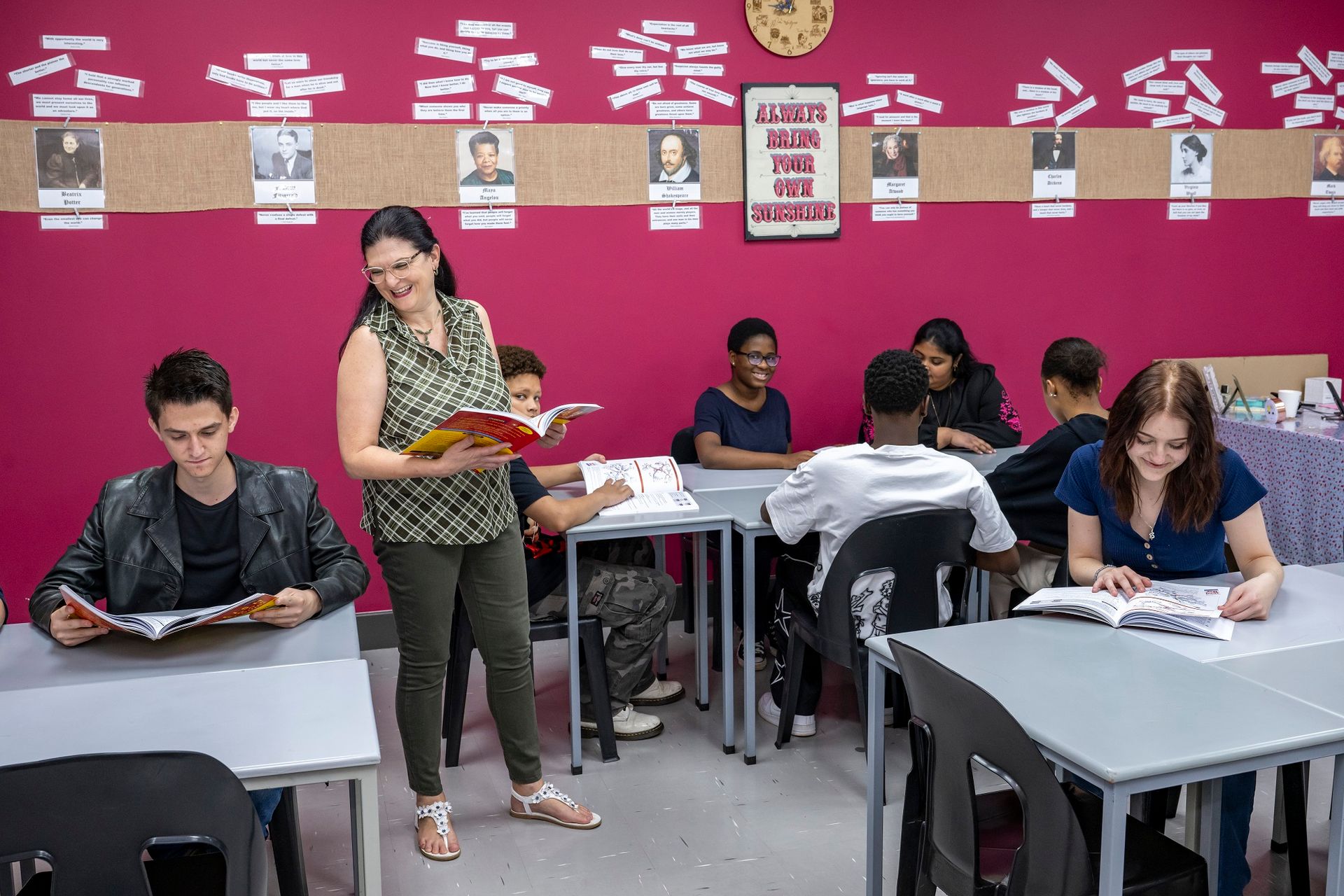
Discover how small class sizes benefit students academically, emotionally and socially. Learn why class size is one of the most important factors when choosing a school
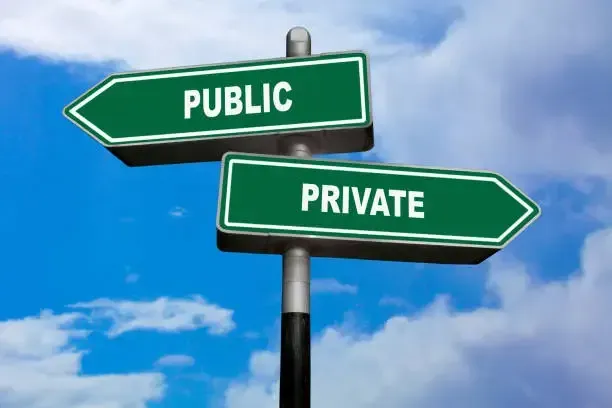
Weighing up private vs public school in South Africa? Explore the honest differences in curriculum, fees, class size and outcomes to make the best choice for your child

Our complete 2026 guide covers curricula, fees, school culture, campus visits, applications, and everything parents need to make the right choice for their child.

Wondering whether the IEB or NSC is better for your child? Our 2026 guide breaks down the key differences in curriculum, assessment, university recognition, and outcomes so you can make the right call.