Navigating Teen Mental Health: Strategies for Students and Parents in South Africa
Conversations about teen mental health in South Africa has become very important in schools as well as homes. The teenage years are a time of much change and today’s youth face a combination of high academic expectations, social pressures as well as digital influences. All of these together can impact their overall wellbeing. For parents, educators and communities, it is vital to understand how best to support adolescent mental health in order to assist young people in developing resilience, confidence and healthy coping mechanisms.
In this article, we’ll explore common mental health challenges in teenagers, how they show up in daily life and offer some practical ways that families and schools can provide meaningful support.
Why Teen Mental Health Matters More Than Ever
Adolescence is a critical stage of emotional and psychological development. During these years, teenagers are learning academic subjects and also forming their identity, building relationships and developing the skills they’ll need later on in adulthood.
Strong teenage mental wellbeing allows young people to manage stress, navigate social situations and make healthy decisions. However, when emotional struggles go unrecognised or unsupported, they can affect self-esteem, academic performance and long-term wellbeing.
Understanding how identity and confidence develop during adolescence is an important part of supporting young people. Exploring
how a teenager’s sense of self develops within society can help parents and educators appreciate the complex emotional changes teens experience as they grow.
Common Mental Health Challenges Faced by South African Teens
Teenagers across South Africa face many different kinds of pressures that can influence their mental wellbeing. These can include:
Academic Pressure
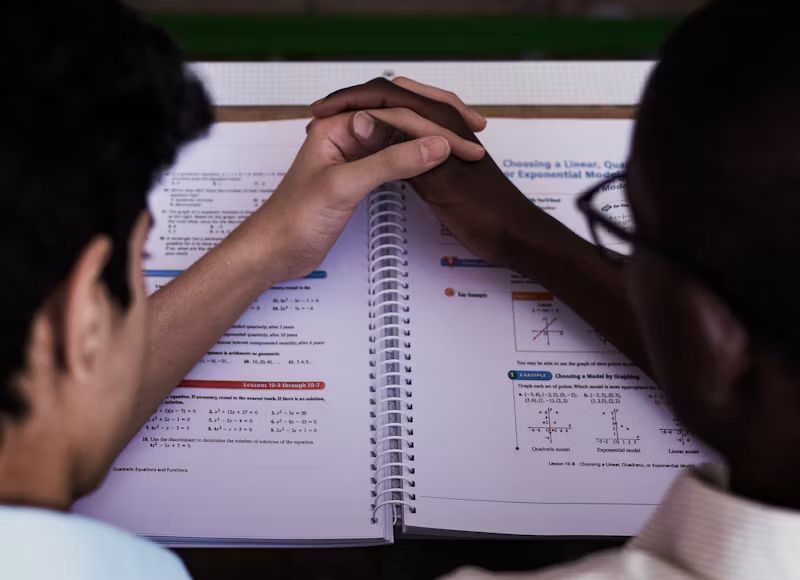
School expectations, exams and future career decisions often create significant school stress and mental health challenges for learners. The pressure to perform academically, particularly during high school years, can lead to anxiety and the fear of failure.
Social Media and Digital Pressure
Digital platforms are known to amplify stress because they create unrealistic comparisons. Teenagers may feel pressured to match the lifestyles, achievements or appearance of others online. This can affect self-esteem and contribute to emotional strain.
Peer Relationships and Social Identity
Friendships, romantic relationships and the need to belong are central to adolescent life. Conflicts, exclusion or bullying can deeply affect a teenager’s emotional wellbeing.
Family and Societal Pressures
Family expectations, financial challenges and societal pressures about success can also be major contributors to mental health challenges. For some teens, balancing these expectations with their own personal goals can feel overwhelming.
Warning Signs Parents and Teachers Should Not Ignore
Being able to recognise the early warning signs is an important step in supporting teen mental health in South Africa. Parents and educators should be aware of behavioural or emotional changes that may indicate a teen is struggling.
Some of the signs to look out for include:
· Sudden withdrawal from activities or friendships
· Persistent sadness or irritability
· Noticeable changes in sleep or eating patterns
· Declining academic performance
· Increased isolation or risk-taking behaviours
If these signs are recognised early, it can make a significant difference. When adults respond with empathy and understanding, teens are more likely to feel safe seeking help.
Practical Strategies for Teens to Support Their Own Mental Health
Teenagers can develop habits that support their own emotional wellbeing and resilience. Some strategies include the following:
Building Healthy Coping Mechanisms
Positive coping strategies help teens manage stress in constructive ways. Examples include journaling, creative expression, exercise and mindfulness practices like yoga or meditation.
Developing Emotional Awareness
Learning to recognise and name emotions can also help teenagers understand their experiences and communicate more effectively with others.
Creating Healthy Daily Routines
Balanced routines are a really good way to reduce stress and improve focus. Simple habits like maintaining regular sleep schedules, limiting excessive screen time and planning study sessions can go a long way in supporting emotional stability. Practical guidance on
organising study schedules and managing school responsibilities more effectively can also help teenagers feel more in control of their academic workload.
Reaching Out for Support
Seeking help is a sign of strength. Teens should feel encouraged to speak to trusted adults, teachers, school counsellors or supportive friends when they feel overwhelmed.
How Parents Can Support Their Teen’s Mental Wellbeing
Parents are central in promoting parent support for teenage mental health. Small daily actions can create an environment where teens feel safe, understood and valued.
Create an Environment of Open Communication
Encourage honest conversations without judgement. Let teenagers know that their feelings are valid and that they can talk openly about any challenges that they may be facing.
Listen More Than You Lecture
Active listening is often more powerful than giving advice. By listening carefully and acknowledging emotions, parents can strengthen trust with their children. When a teen trusts an adult, they are more likely to open up about their problems.
Model Healthy Emotional Behaviour
Parents who demonstrate healthy coping strategies such as managing stress constructively or expressing emotions calmly, provide valuable examples for teens.
Encourage Balance and Self-Care
Promote activities that support their wellbeing, including physical exercise, hobbies and social interaction. Parents can also help teenagers build life skills by involving them in everyday responsibilities. This can include things like learning practical money habits and understanding financial responsibility.
The Role of Schools and Communities in Teen Mental Health
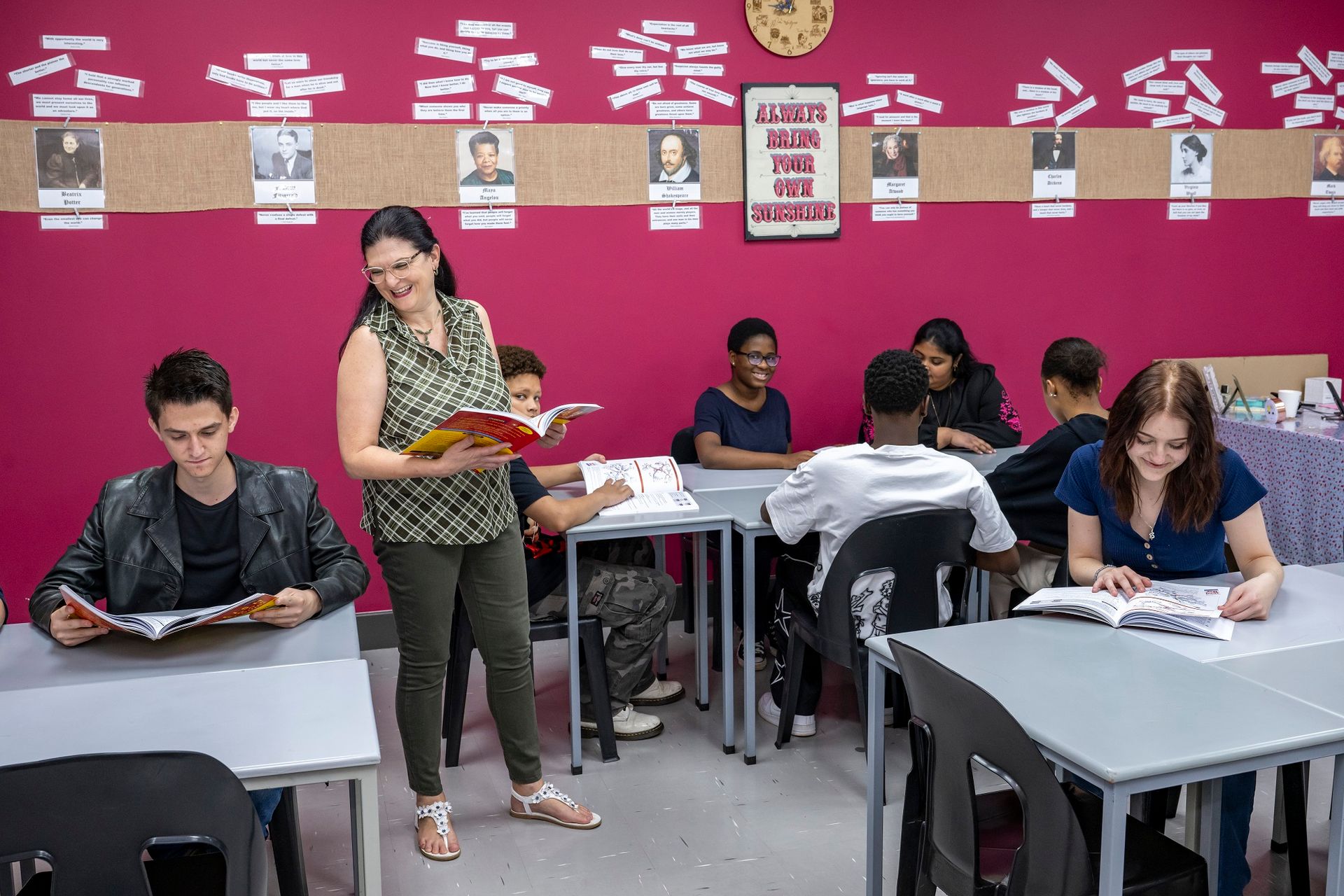
Schools and communities also play a vital role in promoting youth mental health awareness and creating supportive environments.
Effective initiatives may include:
· School counselling services
· Peer support groups
· Mental health awareness programmes
· Safe spaces where students can express themselves
Educational environments that prioritise personal growth alongside academic achievement can also contribute to healthier school cultures. Many families are increasingly exploring learning environments that focus on developing the whole student, where emotional wellbeing and independence are just as important as academic success.
When Professional Support May Be Needed
In certain cases, additional support might be necessary. Parents and educators should consider seeking professional guidance when a teenager experiences:
· Persistent anxiety or overwhelming stress
· Severe mood changes
· Difficulty functioning in daily activities
Qualified mental health professionals can provide appropriate assessment and support to help teens navigate these challenges.
Building a Culture of Mental Health Awareness in South Africa
Promoting youth mental health awareness is essential to reducing stigma and encouraging open conversations. Schools, communities as well as families all have a role to play in creating supportive environments where young people can feel safe discussing their struggles.
Initiatives that promote mental health education, student advocacy and community engagement can help strengthen support systems for young people across our country.
Final Thoughts: Supporting Teens Through One of Life’s Most Important Stages
Adolescence is a time of transformation. With the right support systems, teenagers can navigate the challenges and develop the resilience they’ll need to succeed in adulthood.
By prioritising teen mental health, encouraging open conversations and building strong support networks, parents, educators and broader communities can help young people thrive during this very important stage of life. When teenagers feel understood, supported and empowered, they are better equipped to face challenges, pursue their goals and grow into confident, capable adults.