
Is your child missing school due to depression?
October 30, 2020

Teenage depression is becoming all the more common these days. According to the World Health Organisation, it’s the number one cause of illness and disability in adolescents. This could be due to a variety of factors that include not being happy at school, struggling to make friends, and even the changes that are part of adolescence. When it comes to flagging depression in teenagers, knowing what to look out for can make all the difference. Not only does this make parents able to identify it, they’ll also be able to take action and offer support before it’s too late.
Is teenage depression the reason why your child is missing school? Whilst not every child is the same, there are many red flags that parents should be taking note of. Often, these might be once-off occurrences and as a result, are nothing to worry about. Should you notice that these persist or if there are any patterns, it is definitely time to step in. Here are a few tell-tale signs that might apply in your family’s case.
1) Irritability, anger and indifference
With depression often taking a toll on sleep patterns, it’s common for teens who are suffering to become angry or irritated at the drop of a hat. They might be inclined to lash out at friends or family members. You might even notice that they’re more impatient than they were before. Indifference is another indicator and your child might seem as if they don’t care about anything really. This is depression stealing all feelings, both positive and negative. If your child appears indifferent when they do something that they’d normally love, it could very well be depression.
2) Pulling back from things and people they used to enjoy
Aside from appearing indifferent, if your child tends to avoid people, situations and activities that they once loved, you might want to pay attention. This is one way in which depression takes a toll on teens. This is usually followed by them making excuses to skip or cancel things they wouldn’t have missed normally.
3) Aches, pains and fatigue
Believe it or not, depression is also a physical illness. This means your child might have symptoms like joint pain, headaches, stomach discomfort, back pain or even exhaustion. If they’re using these to miss school on a regular basis, it’s time to take action.
4) A tendency to give up
Depression leads to helplessness and hopelessness. These two things trigger low self-esteem. This could see your child giving up on goals or relationships that were once important to them. You might also notice that your child distancing themselves from friends and activities like sports or other hobbies.
5) Changes in their school marks and eating habits
With the low concentration and decreased energy that comes with depression, your child might have a hard time getting the good results they once did. You might notice that their marks have dipped. It’s also worth talking to their teacher to see if they’ve noticed anything in class. Where eating is concerned, your child may start to eat less or even binge on certain foods in an attempt to soothe their feelings.
At Abbotts College, we support your child through every avenue of their school career. It’s why we offer our students and their parents everything they need for a successful educational journey.
To read more on us and our schools, please click here.
If you’re ready for your child to join us, please visit the following link to apply: https://www.abbotts.co.za/apply-now
For a more general enquiry, please address it to us here: https://www.abbotts.co.za/enquire-now
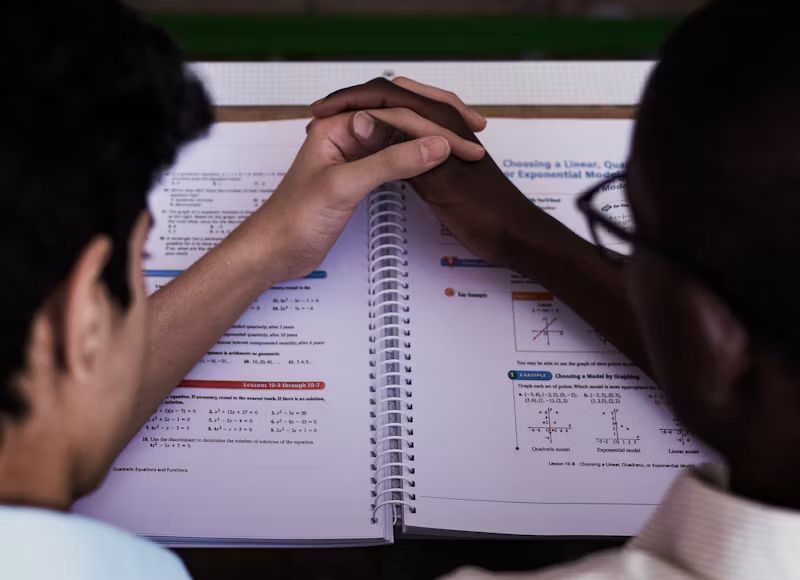
Prepare effectively for IEB matric exams with subject-specific study strategies for Maths, English, Sciences & Humanities. A practical guide for Grade 12s.

Wondering what an alternative high school day really looks like? Discover the structure, relationships & student experience that make it different.

Do alternative schools deliver strong academic results? An honest comparison of outcomes between independent and mainstream schools and what the data shows.

Not sure how to compare private schools? Use this practical evaluation guide to assess quality, culture, academics, and value before you commit.
Not sure how the IEB exam system works? Discover what the IEB assesses, how results are calculated, and what it means for your child’s future in plain, simple terms.

Not sure how to guide your teen through career planning? Get practical tips on strengths, subject choices & career paths after matric.
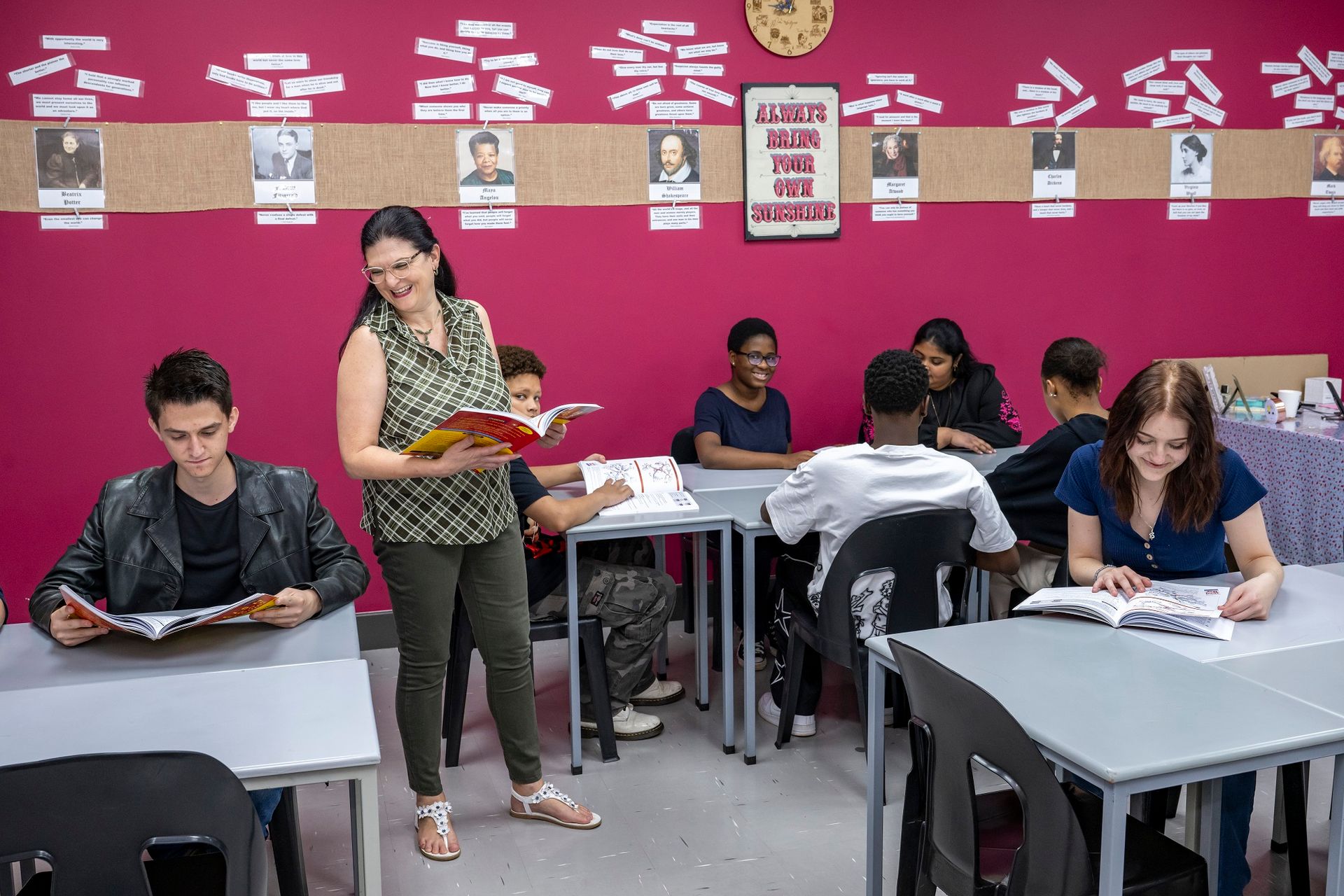
Discover how small class sizes benefit students academically, emotionally and socially. Learn why class size is one of the most important factors when choosing a school
Weighing up private vs public school in South Africa? Explore the honest differences in curriculum, fees, class size and outcomes to make the best choice for your child
Our complete 2026 guide covers curricula, fees, school culture, campus visits, applications, and everything parents need to make the right choice for their child.

Wondering whether the IEB or NSC is better for your child? Our 2026 guide breaks down the key differences in curriculum, assessment, university recognition, and outcomes so you can make the right call.