Michelle Pillay | Alumni Story: Just a step at a time
Michelle Pillay • October 3, 2019
Just a step at a time
The above mentioned sentence has taken me through the long journey that is my degree of studying a MBBS in China.
This decision was not made with ease. It was not made on a whim or in a split second. Choosing to study medicine has always been a passion because at my core, my approach to every encounter has always been: “how can I help you, tell me what it is that I can plausibly do to help you.”
In my senior year, my father had had a medical emergency and in an instant: important decisions needed to be made, and although medical personnel explained in great detail, it felt like we were children, listening to the logic of a parent; unable to fully grasp the magnitude of the diseases and triviality of the complications. I hated that feeling – I equate it to drowning whenever I recall that period.
Abbotts was my lifeline at that time, they were and still are my biggest supporters whenever the lines become blurry and the next step seems uncertain.
Leaving my family after that period was the most difficult decision I had made. Letting go of the responsibilities at home and the thought of becoming independent sounds like a dream to any teenager, for me however, it was terrifying – how could I possibly go off into a country where I don’t speak a single word of the language and survive? Let alone thrive.
With the support of my loved ones, friends and family, I did the unimaginable and I didn’t just start my degree, I took a step into what would become the rest of my life – I had begun my journey into satisfying my need to help others.
Doing this in China though has taught me so much more than my medical degree. In the process of obtaining this double major, I have learned about a new culture and I have learned my 3rd language: Mandarin, which I seem to grasp more firmly than Afrikaans (I’m so sorry to my Afrikaans teachers, I hope you will eventually forgive me for looking lost in almost every class).
I grew into my own person here. I learned what I was willing to tolerate and what I was willing to be lenient on. I found a church that has grown from strength to strength and contributed to this growth by running the Tech and Media team. A student based church is by far the most interesting congregation – faith exists in the presence of science and I will cherish that environment for the rest of my days.
Moreover, I have made friends from all over the world and although it is sad that we may never meet again, I take comfort in knowing that if we ever bump into each other at a later stage in our lives – the memories we’ve shared will be unique to this time, where we understood the daunting nature of life without your family.
I would never trade a day of hardship here for more certainty in a different field. It isn’t easy but every moment is worth it in the grander scheme because no one can take away the experience or knowledge I have gained since moving here in 2014.
I am now in my 5th year of Medical school and this really is where theory meets practice. I have mixed feelings about approaching my graduation exams, but again: just a step at a time and we will get to wherever it is we need to be whenever it is we need to be there.
Right now the plan is to get through the graduation exams and decide where I will continue by writing my board exams and beginning my specialisation into Obstetrics and Gynaecology in line with “Intrauterine Surgery” – yes, medicine has progressed to the point that the foetus no longer needs to be born before surgical procedures can be performed; simply amazing.
Michelle Pillay
Abbotts College South Class of 2013
Studying at Shandong Medical University
Jinan, China
Prepare effectively for IEB matric exams with subject-specific study strategies for Maths, English, Sciences & Humanities. A practical guide for Grade 12s.

Wondering what an alternative high school day really looks like? Discover the structure, relationships & student experience that make it different.

Do alternative schools deliver strong academic results? An honest comparison of outcomes between independent and mainstream schools and what the data shows.

Not sure how to compare private schools? Use this practical evaluation guide to assess quality, culture, academics, and value before you commit.
Not sure how the IEB exam system works? Discover what the IEB assesses, how results are calculated, and what it means for your child’s future in plain, simple terms.

Not sure how to guide your teen through career planning? Get practical tips on strengths, subject choices & career paths after matric.
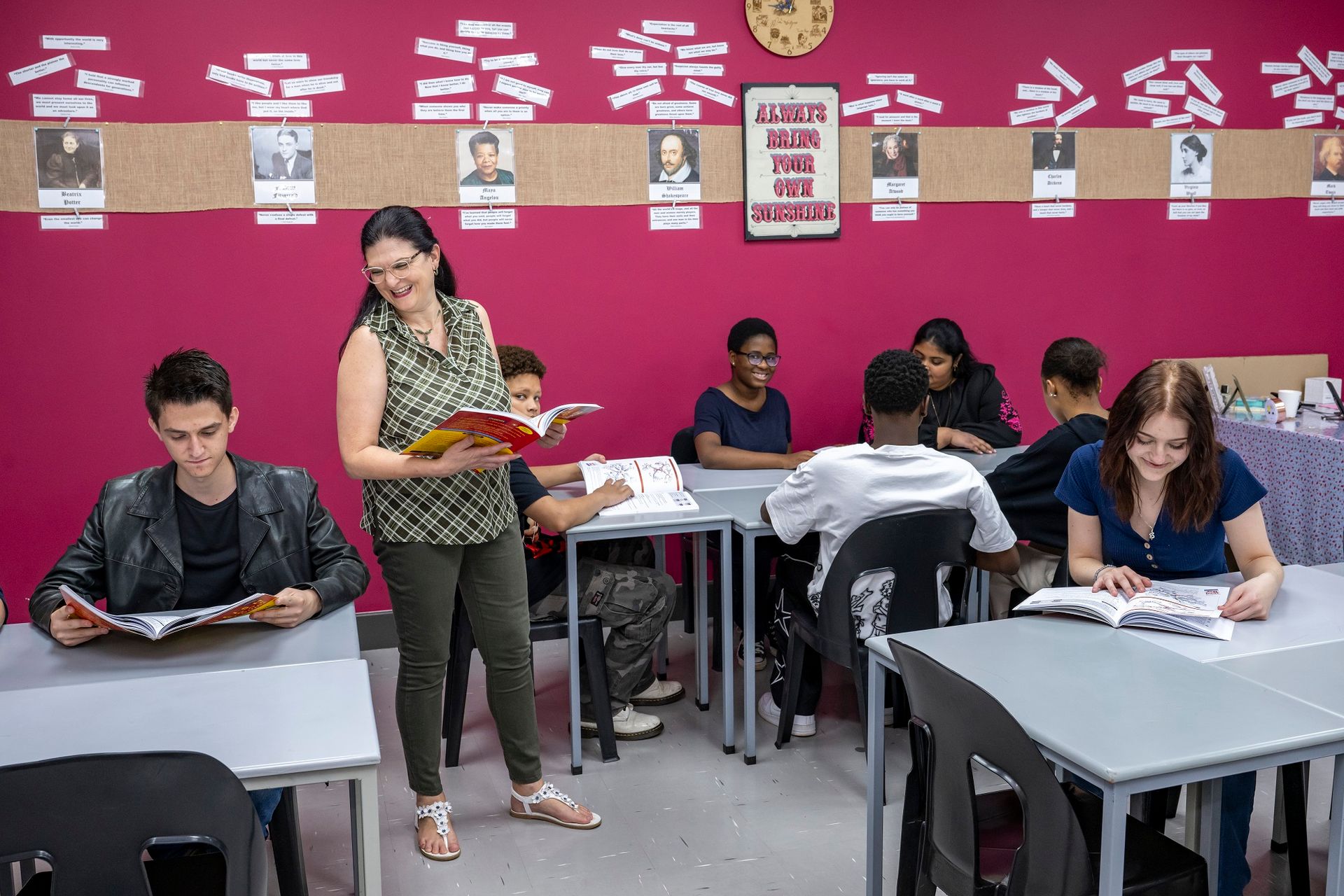
Discover how small class sizes benefit students academically, emotionally and socially. Learn why class size is one of the most important factors when choosing a school
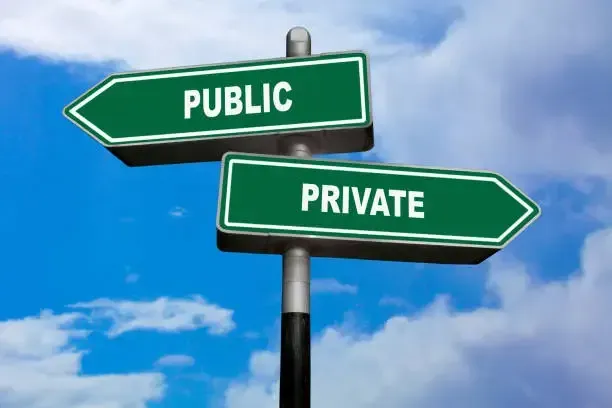
Weighing up private vs public school in South Africa? Explore the honest differences in curriculum, fees, class size and outcomes to make the best choice for your child

Our complete 2026 guide covers curricula, fees, school culture, campus visits, applications, and everything parents need to make the right choice for their child.
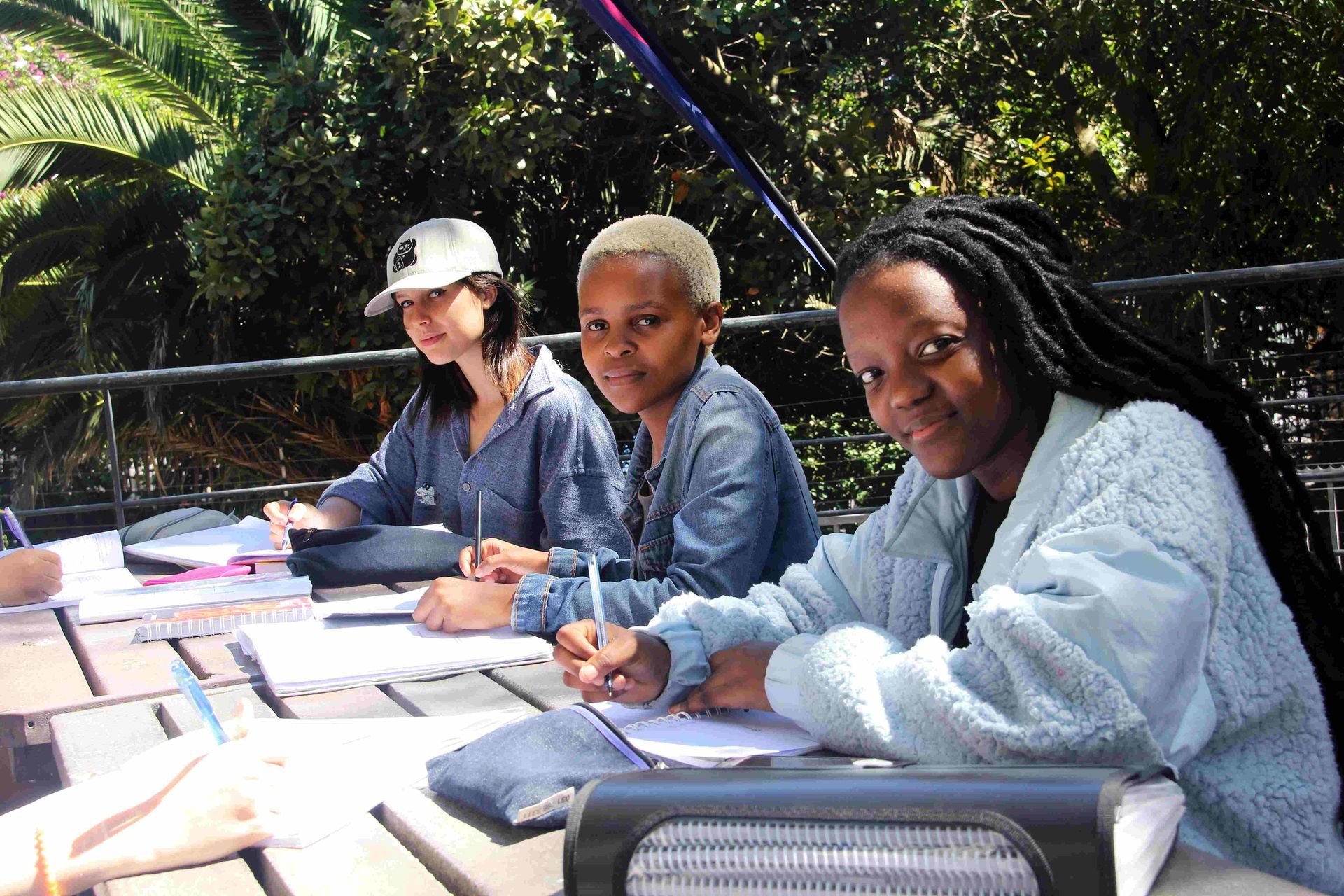
Wondering whether the IEB or NSC is better for your child? Our 2026 guide breaks down the key differences in curriculum, assessment, university recognition, and outcomes so you can make the right call.