Are you okay?
Ms C Martens • August 26, 2020

It seems like a simple enough question, consisting of three simple words. Responses like: ‘Yes, I am fine’ or: ‘No, I am not okay’ might be enough, under normal circumstances, but nothing around us is normal now. Our lives have changed drastically.
When a total lockdown was announced in March of this year, none of us really realized what the implications of that was going to be. Three weeks seemed like a reasonable time to be isolated. The three weeks turned into five and then it turned into Day 100-and something. Things that came so naturally to us, like hugging a friend, visiting family, or going to the movies, are now forbidden. Birthdays and other celebrations now happen via Skype or Zoom, and we all must keep a 1,5-meter distance from each other. This is not normal for any human being.
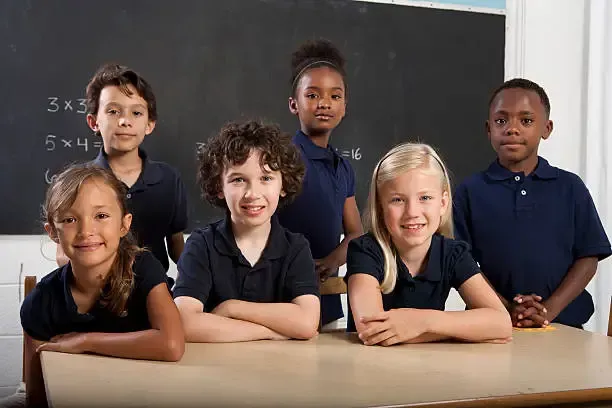
The entire school environment has changed. Faces of smiling and laughing students are now hidden behind masks. Hands and desks need to be sanitised ever so often and many students prefer to attend classes online, rather than physical classes.
Will we ever be okay again? Is what we are currently experiencing, our ‘new normal’? To the first question I would like to answer: ‘For sure!’ and to the second one: ‘Hopefully not!” - I cannot imagine never seeing the friendly smiles, that are now hidden behind masks, from my students again. We as teachers have certainly learnt to adapt during these challenging times. As adults we need to understand that children and adults do not handle situations like this the same. Children need to know that they are safe – whether they are at school or at home – and we (as parents and teachers) should make sure that they feel safe and, even if we have our own doubts and worries.
Practicing positive thinking in these trying times is not an easy thing to do, but in the end staying positive is going to be our saving grace. We all need to focus on what is still good and beautiful in the world.
“When we take the time to stop, look, observe, we see beauty all around us.” Sr Stan
To read more of our insightful blogs from Teachers, Child Development Experts and even Parents, click here.
To learn more about the wonderful work we do at Abbotts College, click here.
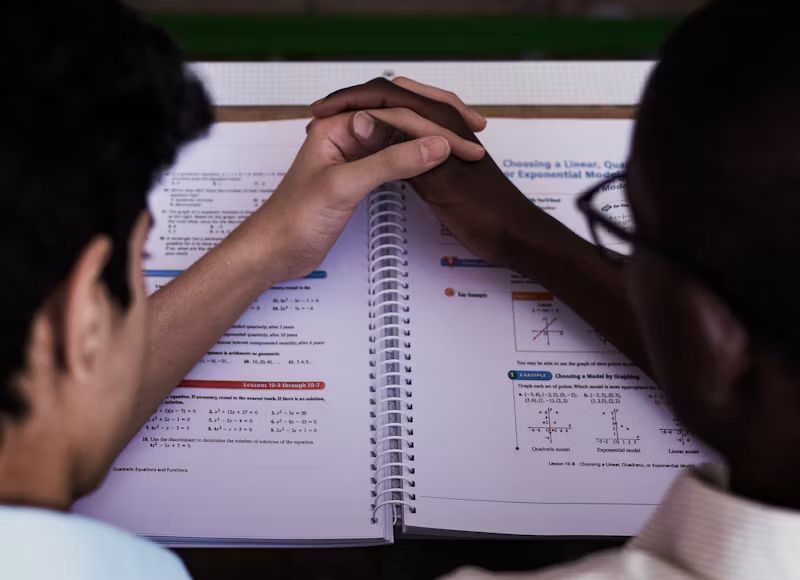
Prepare effectively for IEB matric exams with subject-specific study strategies for Maths, English, Sciences & Humanities. A practical guide for Grade 12s.
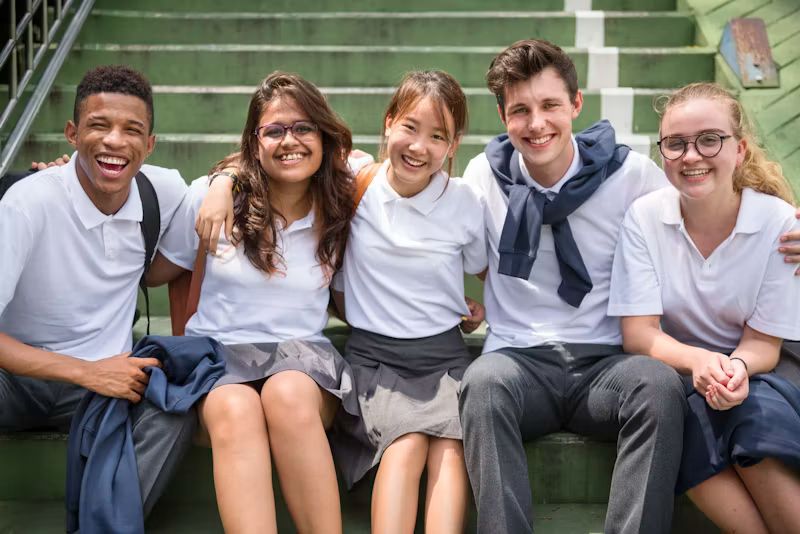
Wondering what an alternative high school day really looks like? Discover the structure, relationships & student experience that make it different.

Do alternative schools deliver strong academic results? An honest comparison of outcomes between independent and mainstream schools and what the data shows.

Not sure how to compare private schools? Use this practical evaluation guide to assess quality, culture, academics, and value before you commit.
Not sure how the IEB exam system works? Discover what the IEB assesses, how results are calculated, and what it means for your child’s future in plain, simple terms.
Not sure how to guide your teen through career planning? Get practical tips on strengths, subject choices & career paths after matric.
Discover how small class sizes benefit students academically, emotionally and socially. Learn why class size is one of the most important factors when choosing a school
Weighing up private vs public school in South Africa? Explore the honest differences in curriculum, fees, class size and outcomes to make the best choice for your child
Our complete 2026 guide covers curricula, fees, school culture, campus visits, applications, and everything parents need to make the right choice for their child.
Wondering whether the IEB or NSC is better for your child? Our 2026 guide breaks down the key differences in curriculum, assessment, university recognition, and outcomes so you can make the right call.