Alternative schooling – The answer to COVID-19 and life beyond?
Neels Geertsema • August 19, 2020
Alternative Schooling might be the answer to COVID-19 and beyond. Here's my opinion.
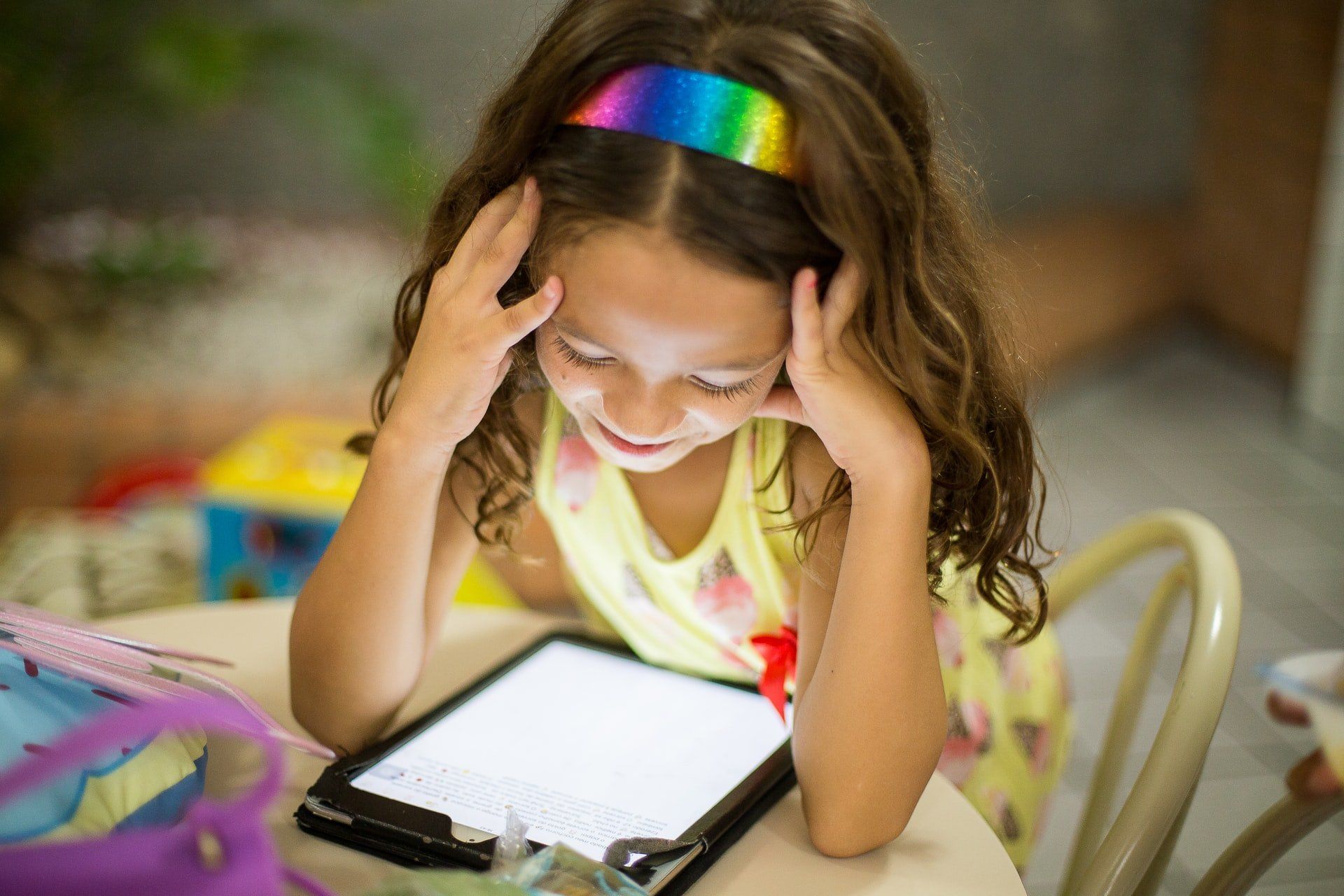
The impact of COVID-19 and the national lockdown in South Africa on the 2020 school year of high school children is a burning issue in many homes throughout the country. Much has been said and written on this topic. What the exact extent of this impact will turn out to be eventually remains to be seen, but what cannot be denied, is the significant disruption of teaching and learning in by far the majority of schools.
Every parent, teacher and learner have felt the undeniable impact of having to find a way of preventing a whole school year of disappearing into oblivion. The success of these efforts range from quite successful, to utter failure. This naturally causes great anxiety for parent and child alike, particularly if the child is in matric, or grade 11 (the two years in which marks become crucial for university entrance).
Regrettably, when people become anxious, they tend to take desperate leaps; always with good intentions, but too often without having considered the correct information and more often-than-not, ending up worse than where they started from. In the same breath, it must be said that a well-researched change, could end up being the saving grace of both the child’s academic progress as well as the parents’ sanity.
In considering a change of schooling methods in these uncertain times, so-called “alternative schooling methods” become quite popular and the offerings suddenly abound in the market: home-schooling, online schooling, hybrid-teaching, international curricula, alternative curricula… what a minefield! Therefore, one will do well to consider the following three matters:
- Radically alternative
Although radical alternative measures seem attractive to get away from “the mess at my child’s school” or “the mess with the Department of Education”, measures such as moving to a purely home-based online offering where the parent magically has to step into the role usually fulfilled by 7 teachers, or even migrating to a non-South African curriculum sold to parents as the “key to international recognition” may not only be even more disruptive for the child, but could lead to unintended consequences further down the line, which could cost not only a lot of money to rectify, but even a year or two extra in school to meet tertiary institutions’ entrance requirements. In a worst case, yet all too possible scenario, your child could have to give up on his or her dream career because the qualification obtained at school is not officially recognized or even just simply below standard. It is important, however, for you to do more research on these alternative schools to weigh the pros and cons.
- The status quo
When considering the above pitfalls, one cannot be blamed for thinking that you are stuck with what you have. Yet, when it is obvious that the current set-up is failing a child, it is a sin not to act. Is keeping a school closed indefinitely during uncertain times serving my child? Surely not. Is it fair to my child to expect him to face this year alone, accessing material uploaded but without any support, or even ploughing through a myriad of websites suddenly claiming to be the oracle of wisdom on schooling? Is it helping my child to attend school only every second day, or week? When things go back to normal one day, where will the focus be of my child’s school: an improvement in marks to build a future, or all sorts of other activities? Will the online tools, currently being praised as the next best thing since sliced bread, just as easily be discarded when things return to normal?
- Alternative in the right areas
Once it has become clear that drastic steps can cause too much harm, but things cannot continue as they are at the moment either, the option that offers an alternative approach, but in the right areas and with the right focus, is clearly the right way to go. Excellent results in the nationally accredited examinations, officially allowing the child access to tertiary studies, are non-negotiable. A school with an alternative approach when it comes to all the “sideshows”, and rather a strong focus on what is important would be the ideal long-term solution. What is important for my child’s future: an approach to schooling that has not changed since being copied from the factories of the first industrial revolution? A senseless fixation on army style appearance rules combined with colonial standards, poorly camouflaged by unsubstantiated promises of effective discipline? A fanatical win-at-all costs extra-mural programme gobbling up an inordinate amount of time each day? Certainly not.
Parents should choose a school that focuses on academic improvement; that nurtures and supports the individual academically through the availability of teachers, even after hours; that guides young people in their career path and life choices through personal mentoring; that allows personal freedom but instills responsibility within a safe and caring environment; that possesses the ability to adapt quickly to global crises to ensure the leaders of tomorrow do not lose out on teaching and learning through no fault of their own; and a future-focused strategy to incorporate the lessons learnt of the COVID-19 lockdown to the continued benefit of its students.
A tall order? Yes. Alternative. Definitely, if doing the right things can be called “alternative”. Achievable? Absolutely! When considering the way forward for a child’s schooling to equip him or her with the tools to face tomorrow, the time has come for parents to start taking their own homework seriously.
Prepare effectively for IEB matric exams with subject-specific study strategies for Maths, English, Sciences & Humanities. A practical guide for Grade 12s.

Wondering what an alternative high school day really looks like? Discover the structure, relationships & student experience that make it different.

Do alternative schools deliver strong academic results? An honest comparison of outcomes between independent and mainstream schools and what the data shows.

Not sure how to compare private schools? Use this practical evaluation guide to assess quality, culture, academics, and value before you commit.
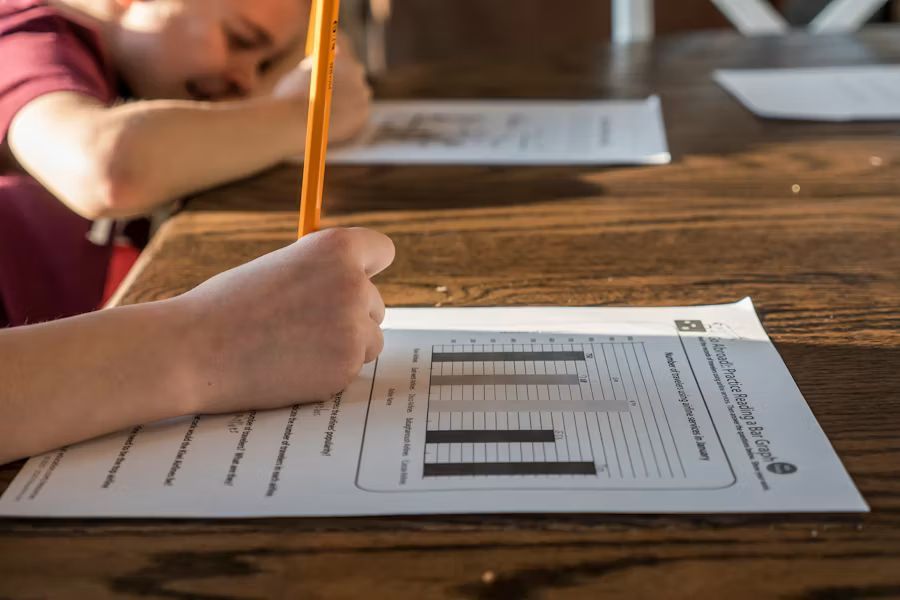
Not sure how the IEB exam system works? Discover what the IEB assesses, how results are calculated, and what it means for your child’s future in plain, simple terms.

Not sure how to guide your teen through career planning? Get practical tips on strengths, subject choices & career paths after matric.
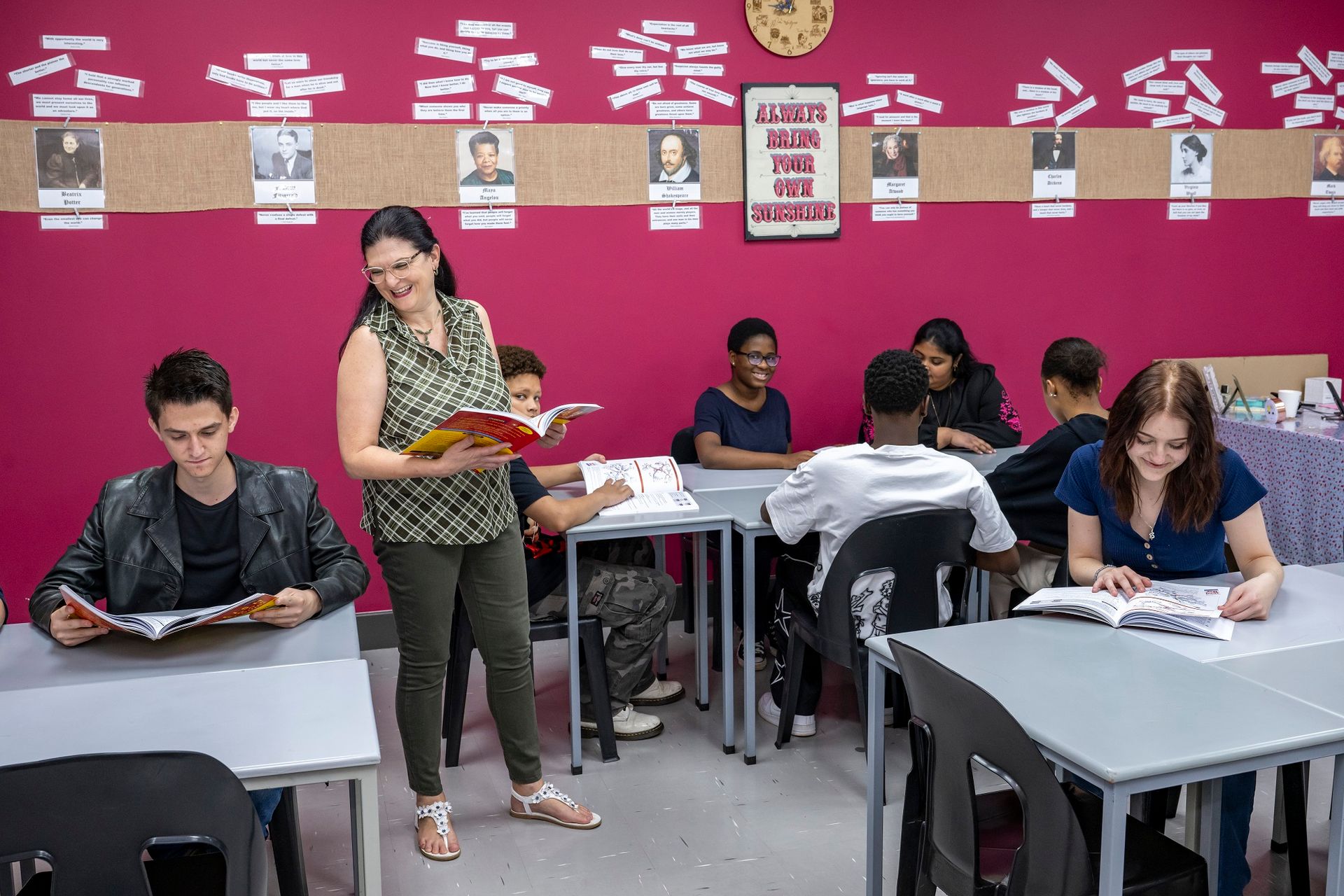
Discover how small class sizes benefit students academically, emotionally and socially. Learn why class size is one of the most important factors when choosing a school
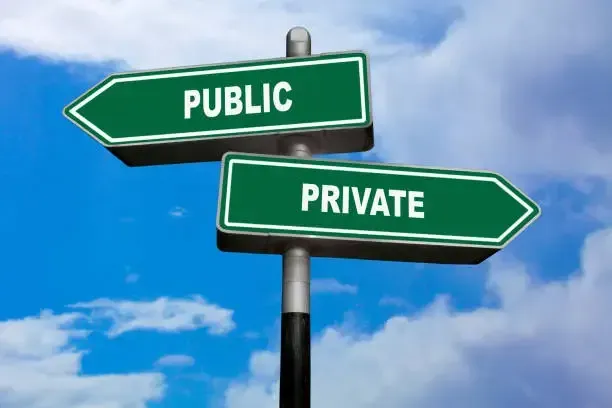
Weighing up private vs public school in South Africa? Explore the honest differences in curriculum, fees, class size and outcomes to make the best choice for your child

Our complete 2026 guide covers curricula, fees, school culture, campus visits, applications, and everything parents need to make the right choice for their child.
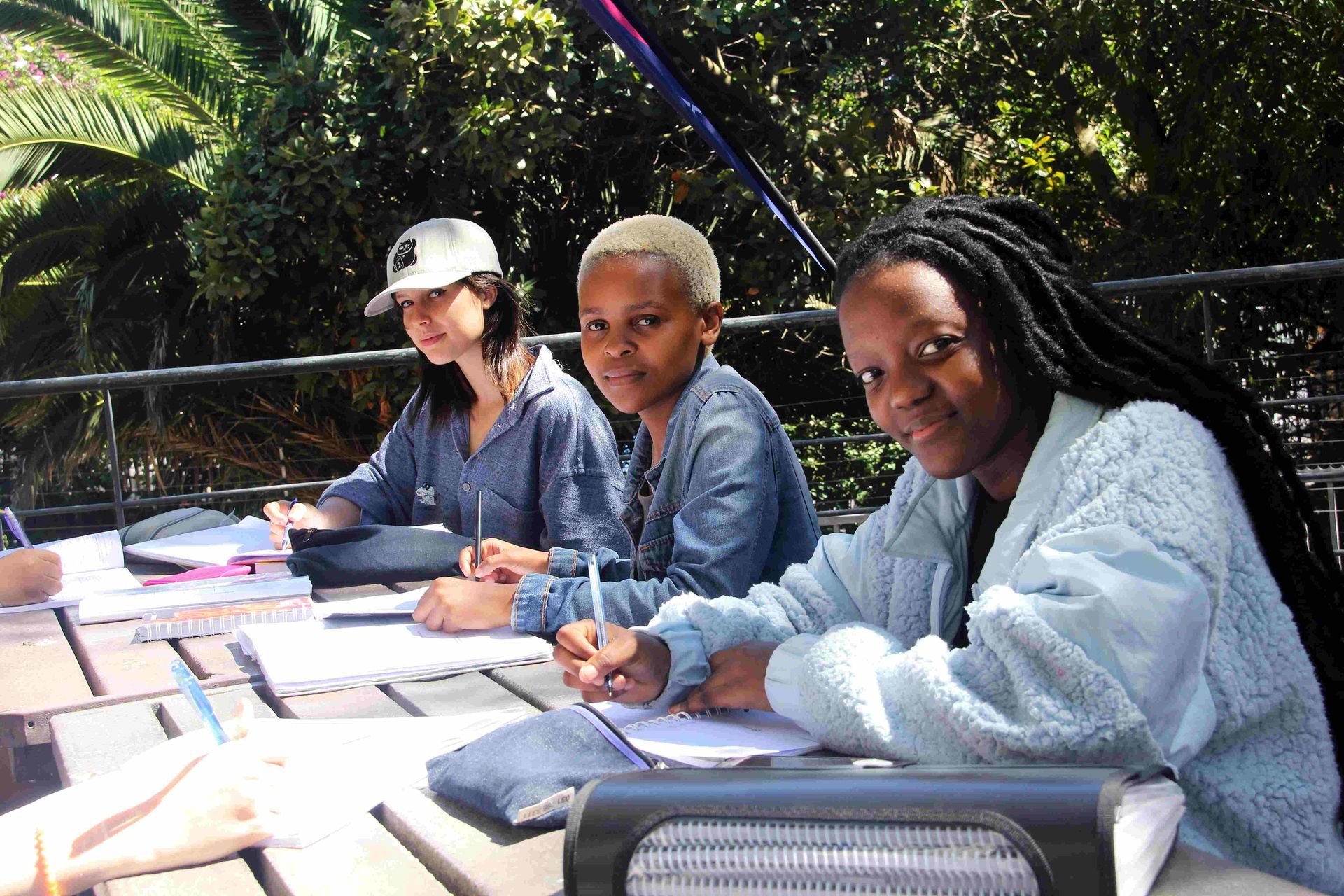
Wondering whether the IEB or NSC is better for your child? Our 2026 guide breaks down the key differences in curriculum, assessment, university recognition, and outcomes so you can make the right call.