
No 2 - Five Smart Ways to Improve Your Visual Study Style
Nikki Clarke • April 30, 2020
Can you remember things more easily if you read them?
Do you prefer it when your teacher draws or writes on the Smartboard?
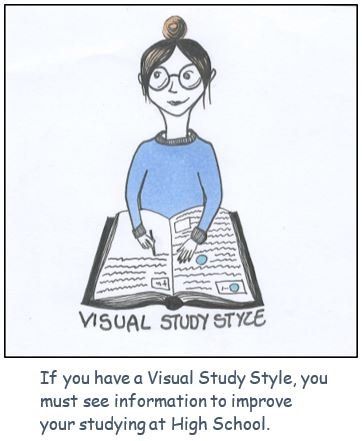
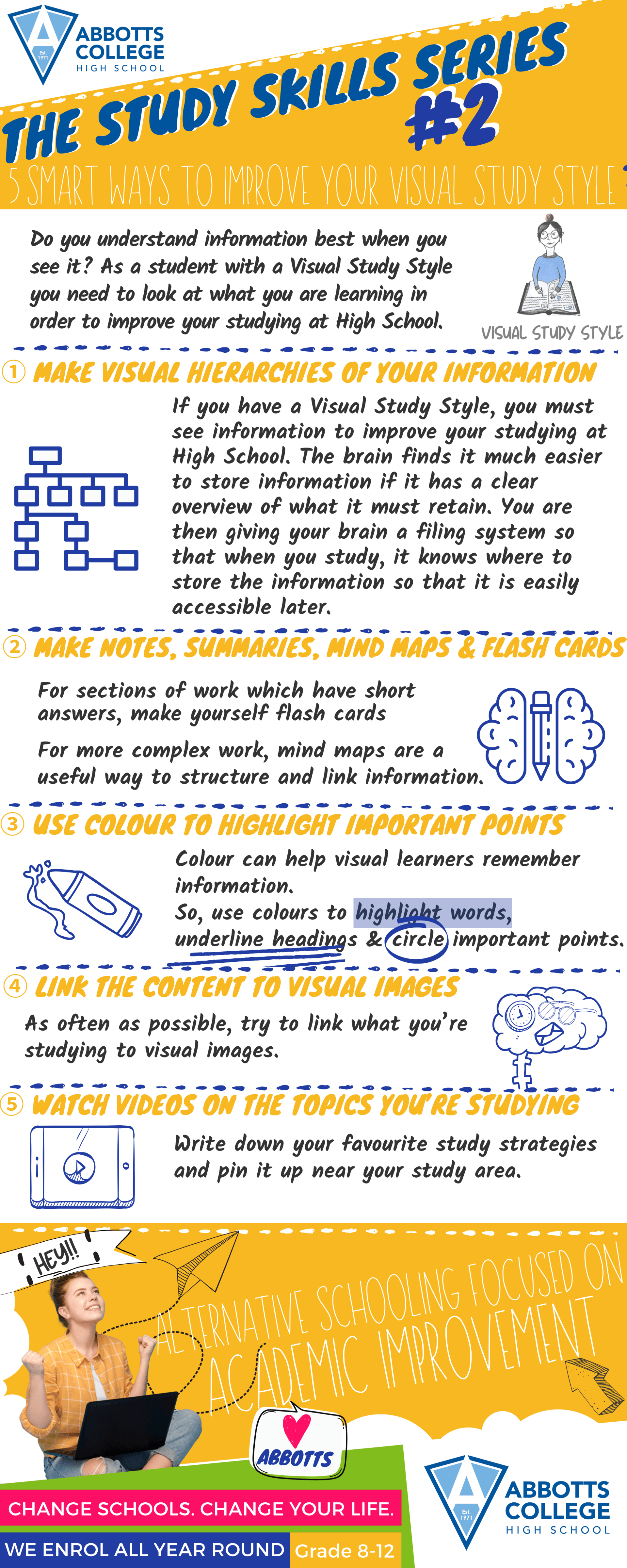
A student with a Visual Study Style needs to see things to learn easily. If you are a visual learner, these five study strategies will help you improve your studying at High School.
1
Make visual hierarchies of your information
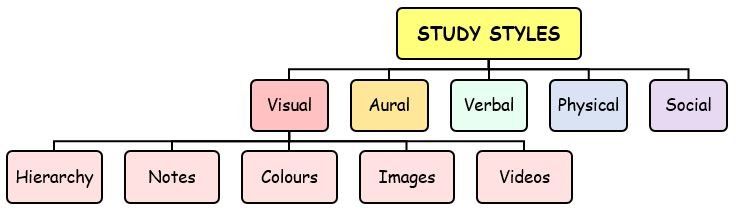
The brain finds it much easier to store information if it has a clear overview of what it must retain. If you are a visual learner, the best way to give your brain this overview is to make a visual hierarchy of the content you are studying. You are then giving your brain a filing system so that when you study, it knows where to store the information so that it is easily accessible later.
Here is an example of a visual hierarchy.
2
Make notes, summaries, Mind maps and flash cards
Making notes, rewriting notes and making summaries is an ideal way for a visual learner to study.
- For sections of work which have short answers, make yourself flash cards. There are many online sites that will assist you. This site lets you make flash cards, study them and then it creates a test for you.
- For more complex work, Mind maps are a useful way to structure and link information. Here is a video that will help you learn how to make a Mind map.
3
Use colour to highlight important points
Colour can help visual learners remember information. So, use colours to highlight words, underline headings and to circle important points.
- Choose which colours you want to use for which purpose, and then consistently use these colours. Your brain will learn to associate these colours with specific functions. For example, choose a colour for your main headings, and another colour for sub-headings, a colour for keywords and a colour for important points.
- Limit how often you use colour so that the colour you do use makes the important information stand out.
4
Link the content you’re studying to visual images
As often as possible, try to link what you’re studying to visual images. Imagine a scenario in your mind or use the Memory Palace
technique to help you fix ideas in your mind.
- A memory palace is when you imagine a place you know well. You then plot a route through this place marking “stops” along the way. The number of “stops” is equal to the number of points you must remember. You then link a point to each stop, practising it in the order of your route. Click on the link below to find out more.
5
Watch videos on the topics you’re studying
As a visual learner watching videos on the topic you are studying will help you remember the content better. There are many free educational videos available that will help to enrich your knowledge.
If you have a Visual Study Style, try out these five study strategies and adapt them so that they work best for you. These study strategies will make learning easier, more fun and improve your studying at High School.
References
https://www.cram.com/
https://www.youtube.com/watch?v=brTMbPyhZY0
https://www.wikihow.com/Build-a-Memory-Palace

Trying to decide between a gap year and university after matric? Compare the pros, cons and alternative pathways to help you choose with confidence.
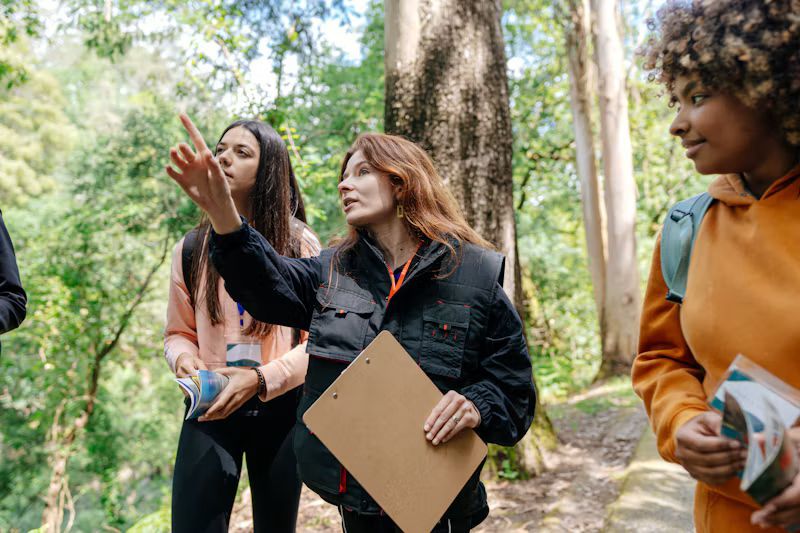
Wondering what to ask on a school tour? Discover the key questions every parent should ask at a school open day to find the right fit.

Active listening, honest conversations and healthy parental role modelling can help teenagers feel safe enough to speak openly about their mental health.

Bringing more than 21 years of educational experience to Randburg, Marion Kohler is building a school where students are known, supported and inspired to achieve their potential.
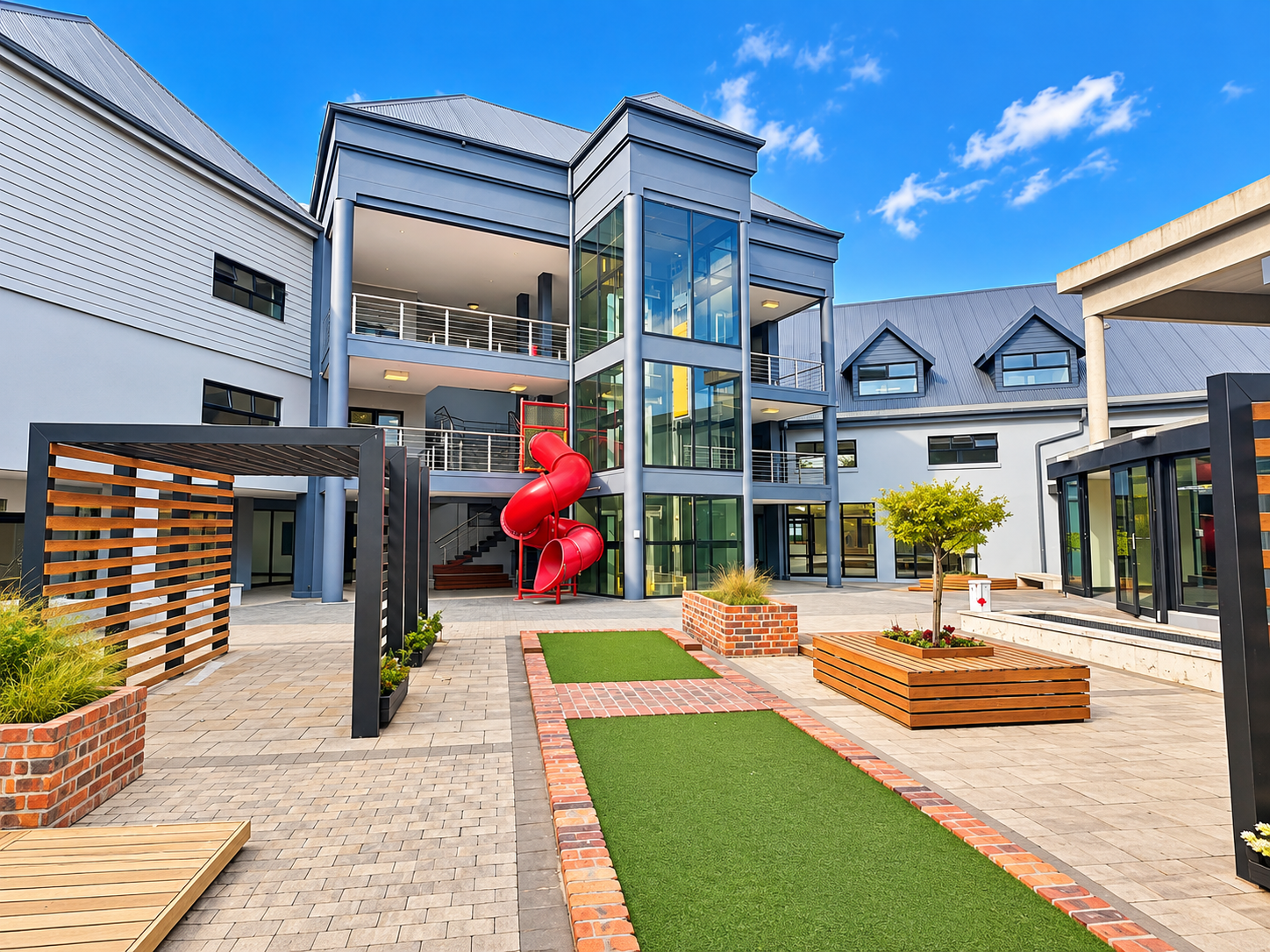
Abbotts High School Bordeaux will open its doors to Grade 8 and Grade 9 students, offering an exciting educational experience where individuality is celebrated, academic ambition is encouraged and every student is known.

Prepare effectively for IEB matric exams with subject-specific study strategies for Maths, English, Sciences & Humanities. A practical guide for Grade 12s.

Wondering what an alternative high school day really looks like? Discover the structure, relationships & student experience that make it different.

Do alternative schools deliver strong academic results? An honest comparison of outcomes between independent and mainstream schools and what the data shows.

Not sure how to compare private schools? Use this practical evaluation guide to assess quality, culture, academics, and value before you commit.

Not sure how the IEB exam system works? Discover what the IEB assesses, how results are calculated, and what it means for your child’s future in plain, simple terms.