Design as a Life Skill
Yvette van Dorp • May 7, 2020
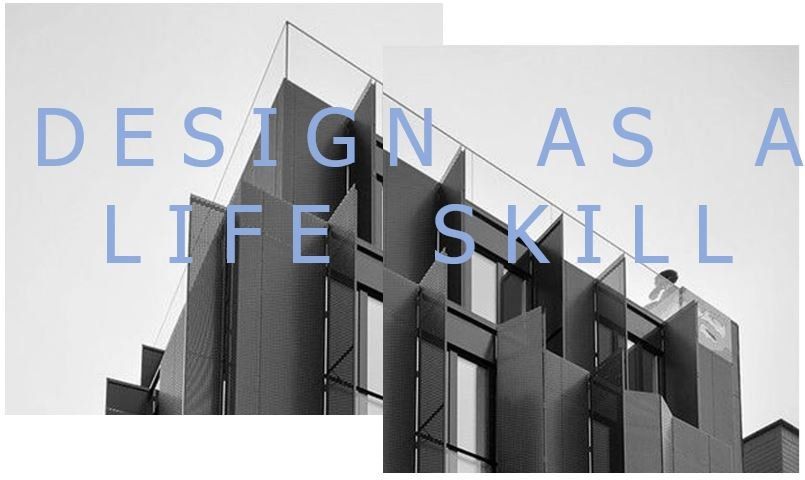
Since the dawn of time man has had an innate urge to protect himself using clothing, shelter and communication. Looking at historical civilizations: designers and inventors created the loom to weave materials for clothing. People created signage for their shops and made advertisements for their goods. Language became a written form of communication.
War brought about the biggest strides in the development of new inventions and designs. New weapons were forged, from the sword to gunpowder to the present use of military drones even.
The Industrial Revolution was a great contributor to the development of farm implements to revolutionise the farming industry. It also created opportunities for designers to developed new ways to create everyday objects at an affordable price so that the average Joe could also have for example: aesthetically pleasing, designer-made furniture in their homes.
We rely heavily on the architects and interior designers to create wonderful spaces for our homes and offices, making it as comfortable and productive as possible.
The consumer market evolved from people bartering (or exchanging) goods for goods to the exchange of money (when the humble coin was introduced by the Roman Empire). This stands in high contrast to the way we buy and sell today.
We can buy and sell goods online and can almost live completely cashless. Because of our online lifestyles, a lot of advertising takes place on our devices and does not solely have to be on hard copy anymore.
Software designers have created a booming gaming industry in which players are visually stimulated to partake in games and are no longer merely observing passively.
Observing the evolution of human nature, we realise that within us all exists an instinctiveness to create new things to address our needs. We have made changes to existing designs to create better and more efficient goods around us and will continue to create new things in the future. What was revolutionary in the past has most probably become outdated or even redundant today.
With the spread of the Covid-19 virus, people are forced to be more creative with regards to how they work and teach from the comforts of their own homes. Program and end-user architects have made apps and resources available to use in a creative manner. People who feel that creativity is not their strong point now have the tools to create innovative, interactive and visually stimulating resources for people to use. This steers mankind into the new world of collaboration, content creation and resource sharing.
Lastly, I ponder why design is such an important subject in school… the answer is simple: We are training young minds to be the future inventors and designers of products and services that don’t exist yet. We are teaching them to be inquisitive, innovative and creative to impact the future. They are the holders of potential that will blow our minds in times to come.

Trying to decide between a gap year and university after matric? Compare the pros, cons and alternative pathways to help you choose with confidence.
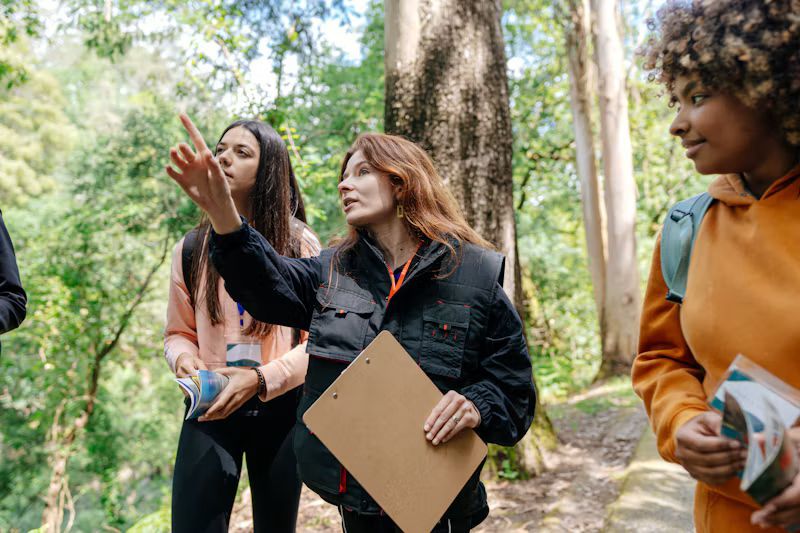
Wondering what to ask on a school tour? Discover the key questions every parent should ask at a school open day to find the right fit.

Active listening, honest conversations and healthy parental role modelling can help teenagers feel safe enough to speak openly about their mental health.

Bringing more than 21 years of educational experience to Randburg, Marion Kohler is building a school where students are known, supported and inspired to achieve their potential.
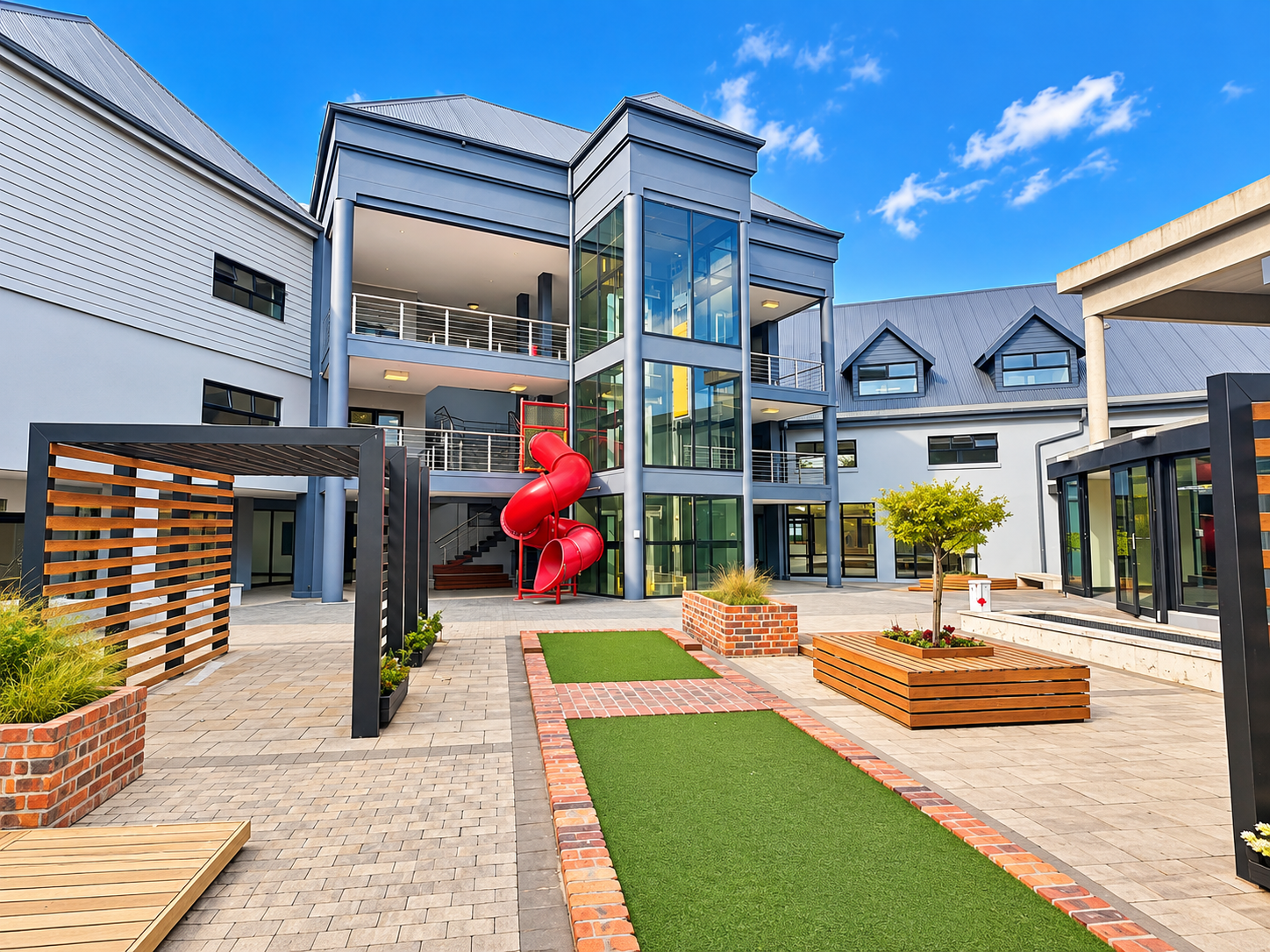
Abbotts High School Bordeaux will open its doors to Grade 8 and Grade 9 students, offering an exciting educational experience where individuality is celebrated, academic ambition is encouraged and every student is known.

Prepare effectively for IEB matric exams with subject-specific study strategies for Maths, English, Sciences & Humanities. A practical guide for Grade 12s.

Wondering what an alternative high school day really looks like? Discover the structure, relationships & student experience that make it different.

Do alternative schools deliver strong academic results? An honest comparison of outcomes between independent and mainstream schools and what the data shows.

Not sure how to compare private schools? Use this practical evaluation guide to assess quality, culture, academics, and value before you commit.

Not sure how the IEB exam system works? Discover what the IEB assesses, how results are calculated, and what it means for your child’s future in plain, simple terms.