How to Avoid Back to School Anxiety
Dr Jacques Mostert • February 5, 2021
Anxiety is your body’s normal reaction to perceived danger or important events. Anxiety is like your body’s internal alarm system that is set to alert you of dangers that may be life threatening and it helps your body to prepare to deal with danger. However, your internal alarm is not very good at recognizing what types of danger. For example, your body react by becoming nervous about being late to school and seeing a big spider in the bathroom in the same way. Neither are likely to cause real damage, yet your body remains alert and ready to run away in either case.
Anxiety or feeling nervous is normal and can be expected during times of transition and change, especially during times of unprecedented disruption like the current Covid-19 pandemic. The news and social media are filled with reports of the danger of Covid-19, the virility of the virus and how to stay safe from infection. This is especially true for children and teens going back to school after their normal routines have been disrupted.
Dealing with your child’s anxiety starts at home. The first important step is to reinstate morning routines after the time of online learning. Nobody copes well when they are tired or hungry. Anxious children often don’t feel like eating breakfast, they might not feel hungry, or become nauseous after eating breakfast. Also, make sure that your child wakes up early enough to avoid rushing to get to school. This also means that you must ensure that your child goes to bed early enough and not stay up, spending time on social media the night before they go back to school.
You are also probably stressed about safety and Covid-19 safety procedures. Remember that the school has an outstanding track record in keeping everybody safe during the past year. Thus, make sure you’re not passing your own stress on to your child.
When your child becomes unusually quiet, or starts to ramble, this can be an indication that they are anxious about returning to school. Children often seek reassurance that bad things won’t happen in order to reduce their worry. Rather than dismissing this behavior or becoming frustrated with them, acknowledge their fears. Avoid making light of their (and your own) anxiety by saying “there’s nothing to be worried about” or saying, “you’ll be fine.” Listen to them and acknowledging your child’s feelings and encourage your child to think of ways to solve his or her problem.
Focus on the positive aspects or returning to in-person classes. Encourage your child to re-direct attention away from the concerns about friends, teachers, homework and Covid-19, and direct their thoughts toward the positives of seeing their friends again and building relationships and new friendships, having the opportunity to interact with teachers and the safe environment of the school.
Do:
• Be a good listener
• Keep a good and positive sense of humour
• Give positive feedback
• See fears from your child’s perspective
Don’t
• Lecture or interrupt
• Try to analyse or unpack their emotions
• Overreact or jump to conclusions
• Mock the things your child finds important
Dr Jacques Mostert
Brand Academic Manager
Prepare effectively for IEB matric exams with subject-specific study strategies for Maths, English, Sciences & Humanities. A practical guide for Grade 12s.

Wondering what an alternative high school day really looks like? Discover the structure, relationships & student experience that make it different.

Do alternative schools deliver strong academic results? An honest comparison of outcomes between independent and mainstream schools and what the data shows.

Not sure how to compare private schools? Use this practical evaluation guide to assess quality, culture, academics, and value before you commit.
Not sure how the IEB exam system works? Discover what the IEB assesses, how results are calculated, and what it means for your child’s future in plain, simple terms.

Not sure how to guide your teen through career planning? Get practical tips on strengths, subject choices & career paths after matric.
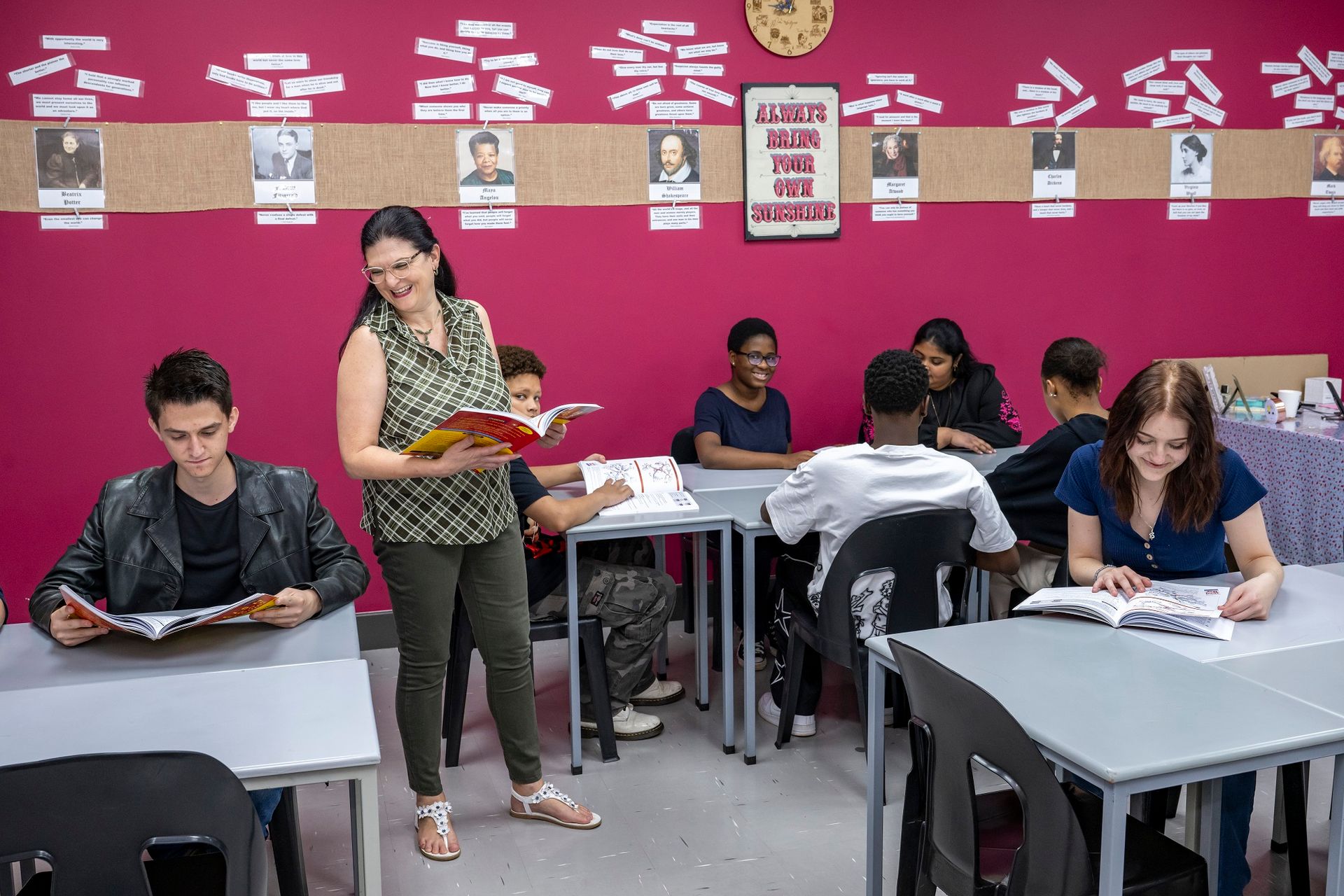
Discover how small class sizes benefit students academically, emotionally and socially. Learn why class size is one of the most important factors when choosing a school
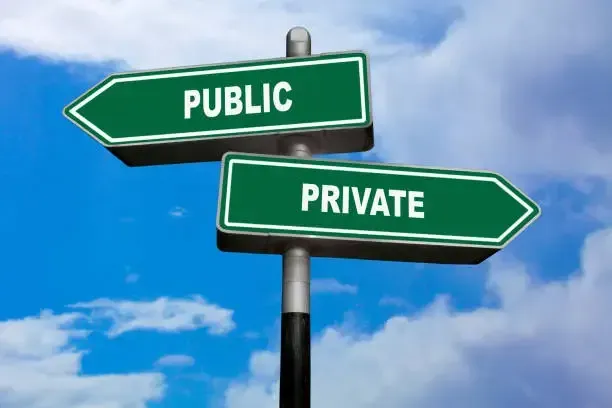
Weighing up private vs public school in South Africa? Explore the honest differences in curriculum, fees, class size and outcomes to make the best choice for your child
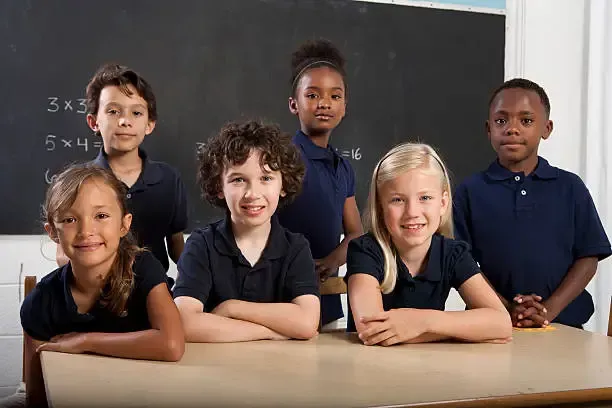
Our complete 2026 guide covers curricula, fees, school culture, campus visits, applications, and everything parents need to make the right choice for their child.
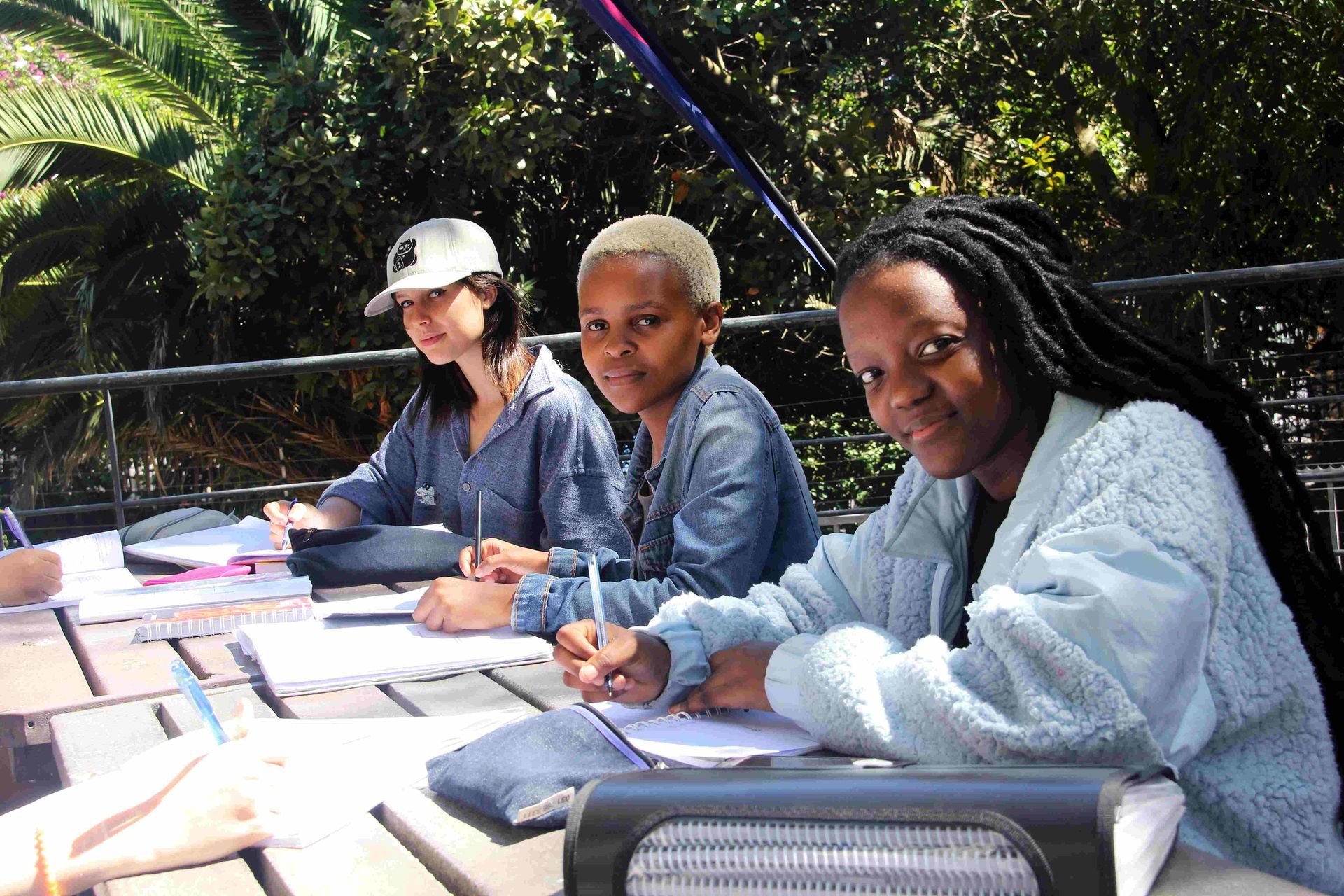
Wondering whether the IEB or NSC is better for your child? Our 2026 guide breaks down the key differences in curriculum, assessment, university recognition, and outcomes so you can make the right call.