Private vs Public School in South Africa: An Honest Comparison
Key Takeaways
- Both public and private schools can serve learners well – the best choice depends on your child's individual needs and your circumstances
- Private schooling in South Africa offers smaller class sizes, more consistent resources, and IEB curriculum access, but comes at a significant financial cost
- Public schools vary widely in quality and a well-resourced public school in your area may be an excellent option
- Cost should be weighed honestly against your child's specific learning needs and the quality of available public schools nearby
- If your child has not secured a public school placement, private school offers a practical, structured alternative with flexible intake
- Visiting schools in person and asking the right questions is the most reliable way to assess fit
- Neither sector has a monopoly on quality – the right school is the one that best supports your child
Choosing a school for your child is one of the most meaningful decisions you will make as a parent or guardian. It involves weighing up financial realities, academic priorities, your child's individual needs, as well as long-term goals. All of this is often done under considerable pressure and within tight timelines.
There is no single right answer when it comes to private vs public school in South Africa. The best choice depends entirely on your circumstances, your child's learning profile and the specific schools that are available to you. This article aims to present an honest, balanced comparison to help you make a confident, well-informed decision.
Understanding the South African Schooling Landscape
To understand what is the difference between private and public school in South Africa, it helps to start with how the system is structured. Both public and private schools fall under the authority of the Department of Basic Education (DBE) and are required to meet national standards. Most public schools follow the Curriculum and Assessment Policy Statement (CAPS) as the basis for teaching and learning. Private schools follow either CAPS, the Independent Examinations Board (IEB) or Cambridge education systems.
The key distinction lies in how they are funded and governed.
How Public Schools Are Structured
Public schools are funded by the government. Schools in lower quintile categories (Quintiles 1–3) are designated as no-fee schools, meaning they do not charge school fees. Higher quintile schools may charge fees, but these are regulated and generally more affordable than private institutions.
Public schools are governed by School Governing Bodies (SGBs) and many hold Section 21 status, which gives them greater autonomy over managing their budgets. The quality of public schooling varies significantly across provinces and communities. Some public schools are well-resourced and produce excellent results. Others may face real infrastructure and staffing challenges.
How Private Schools Are Structured
Private or independent schools are funded through tuition fees paid by families. They aren’t funded by the government. This gives them considerably more autonomy in areas such as curriculum delivery, school culture, staffing and resource allocation.
As mentioned above, some private schools follow CAPS. However, many are also registered with the Independent Examinations Board (IEB), which offers an alternative matric examination known for its academic rigour. This is one of the most frequently cited private school benefits in SA, particularly for families focused on tertiary education outcomes.
Key Differences Between Private and Public Schools
When parents ask about government school vs private options, the conversation typically centres on a few core factors. Here is an honest breakdown of each.
Class Sizes and Individual Attention
One of the most significant structural differences between public and private schooling in South Africa is class size. In many public schools, particularly at secondary level, classrooms can accommodate 35 to 45 learners. In private schools, class sizes are typically between 15 and 25 students.
This matters more than many parents initially realise. Smaller classes allow teachers to:
- Identify learning gaps earlier
- Provide more detailed and timely feedback
- Build stronger individual relationships with learners
- Adapt teaching to different learning styles
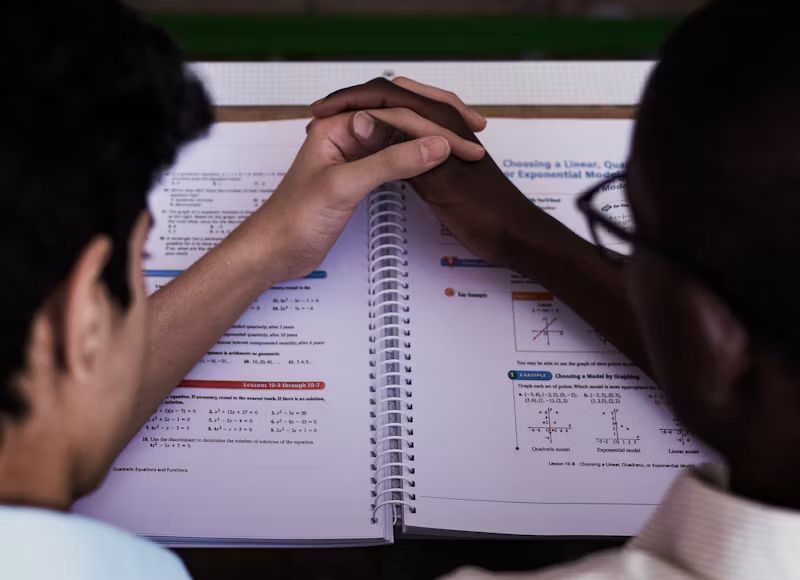
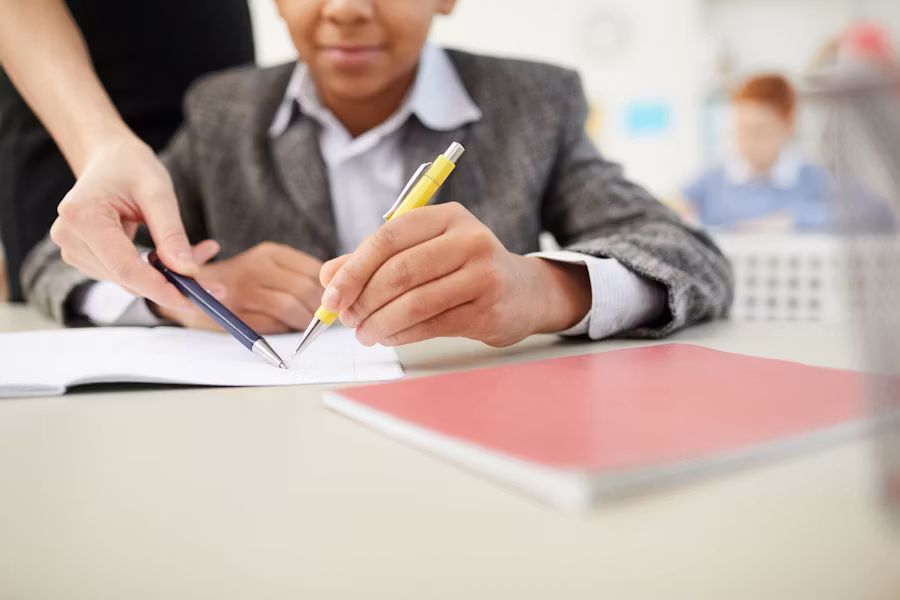
For children who need additional support, who are introverted or who thrive with more personalised engagement, this difference can be significant.
Infrastructure, Facilities and Resources
Public school infrastructure varies considerably across the country. Some well-resourced public schools in suburban areas offer strong facilities and access to extracurricular activities. However, many public schools, particularly in rural and lower quintile areas, face real challenges around maintenance, technology access and support staffing.
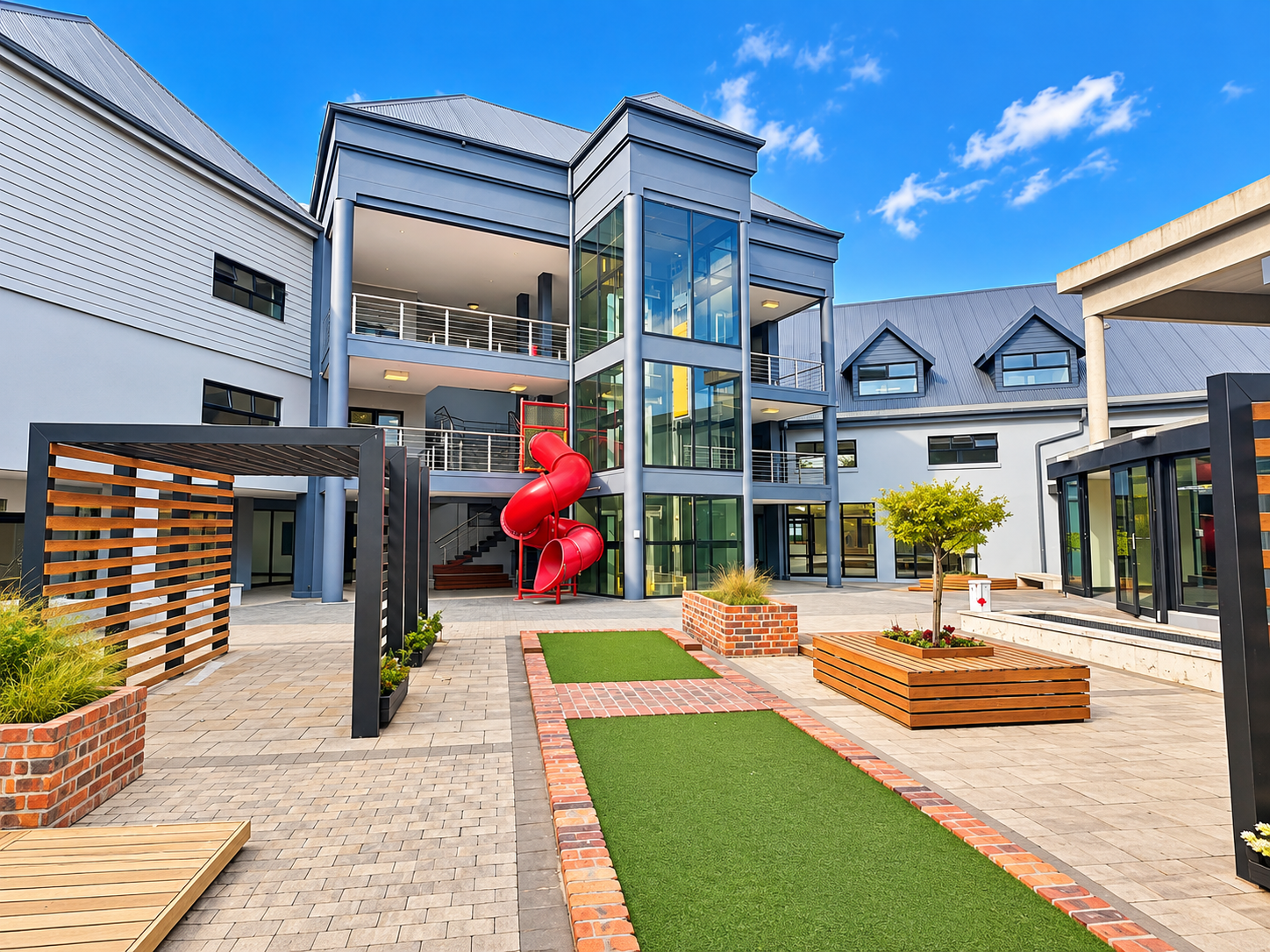
Private schools generally offer more consistently maintained facilities, state-of-the-art technology and a wider range of extracurricular resources. This is not universal. Private schools also vary widely, but resource consistency is typically stronger in the independent sector.
Curriculum and Academic Standards
Both public and private schools follow CAPS, so the core curriculum is the same at its foundation. The difference often lies in how it is delivered and what additional pathways are available.
IEB-registered schools offer an alternative matric qualification that is widely regarded as academically rigorous and well-regarded by South African and international universities. Matric pass rate data has consistently shown strong IEB outcomes, though it is important to contextualise this within enrolment and selection differences between sectors. For a fuller picture, families should read about choosing a private school when exploring their curriculum options.
The Cost of Private Schooling in South Africa
When parents ask can I afford private school in South Africa, the answer requires an honest conversation about costs.
Private schooling is a significant financial commitment. Annual tuition fees across the sector vary widely:
- More accessible independent schools may charge between R30 000 and R60 000 per year
- Mid-range private schools typically fall between R60 000 and R120 000 per year
- Premium institutions can exceed R150 000 per year
These figures do not always include additional costs such as uniforms, stationery, device requirements and extracurricular activities.
Some private schools offer bursaries, sibling discounts or structured payment plans that make fees more manageable. It is worth asking directly when making enquiries. You can view our transparent fee structure to understand what is included and how fees are structured at Abbotts College.
For many families, the cost of private schooling is the primary limiting factor, and that is a legitimate reality. If a nearby public school is well-resourced and well-managed, it may provide an excellent education at a fraction of the cost.
Is Private School Worth It in South Africa?
The honest answer to is private school worth it is: it depends.
Private school is not automatically better than public school. South Africa has excellent public schools that produce outstanding results, nurture well-rounded students and support learners through to tertiary education. Conversely, not all private schools deliver exceptional outcomes. The quality varies across the independent sector too.
The more useful question is: is private school better than public school in South Africa for your specific child, in your specific circumstances?
Factors worth weighing include:
- The academic performance and resources of your nearest public school
- Your child's individual learning needs and personality
- Whether smaller class sizes and more individual attention would meaningfully benefit your child
- Your family's financial capacity to sustain private school fees across multiple years
- The curriculum pathway and matric qualification you are aiming for
The right fit matters more than the label.
What If My Child Has Not Been Allocated a Place in a Public School?
This is a pressing reality for many South African families, particularly at the Grade 8 entry point. Each year, a significant number of learners are not placed at their preferred or any public school through the provincial allocation process.
If you find yourself in this situation, private schooling can serve as a reliable, structured alternative. Independent schools typically have more flexible intake processes and are not bound by the same placement constraints as government schools. If you are unsure where to start, read our guide on what to do if your child wasn't placed for practical next steps.
The transition to private school is often more straightforward than parents expect. Many independent schools can accommodate mid-year enrolments and have support structures in place to help learners settle in quickly.
Signs That Private School May Be the Right Choice
Reflecting on why to choose private school over government school in South Africa comes down to circumstances rather than status. Consider private schooling if:
- Your local public school is significantly overcrowded or under-resourced
- Your child requires more individual attention than a large classroom allows
- Your child has previously struggled academically or emotionally in a high-volume environment
- You are seeking an IEB matric qualification for university entrance purposes
- Your child is introverted or anxious and would benefit from a smaller, more familiar setting
- Your child has not been allocated a public school place
- You value extracurricular breadth and consistent access to facilities and resources
Understanding private school advantages and disadvantages in South Africa means being honest that the primary disadvantage is cost and the primary advantages are class size, individual support, curriculum flexibility and resource consistency.
Making the Transition: What Parents Should Know
Enrolling in a private school is typically a more flexible process than many parents anticipate. Most independent schools:
- Accept applications throughout the year, not only at the start of an academic cycle
- Conduct brief assessments to understand a learner's current level and support needs
- Have dedicated staff to help new learners transition and integrate
- Offer structured orientation processes so that students do not feel lost or behind
If you are considering this step, you can learn more about Abbotts College including our campuses, teaching philosophy, and the kind of learning environment we offer. Our transparent fee structure is available online so there are no surprises.
We understand that this is a significant decision. Families are always welcome to visit a campus and experience the environment firsthand before committing.
FAQs
- Is private school significantly better than public school in South Africa?
Not automatically. The quality of both sectors varies considerably. Some public schools produce outstanding results with strong support structures. Private schools tend to offer smaller classes and more consistent resources, but whether that translates into better outcomes for your child depends on the specific schools you are comparing and your child's individual needs. - What is the average cost of private school fees in South Africa, and are there options for financial assistance?
Fees vary widely across the private sector, from around R30 000 to over R150 000 per year depending on the school. Some independent schools offer bursaries, sibling discounts, or payment plan options. It is always worth asking directly when making an enquiry. - Do private schools in South Africa follow the same curriculum as public schools?
Most private schools follow CAPS, the same national curriculum used in public schools. Many are also registered with the IEB, which offers an alternative matric examination. This means learners are working within a nationally recognised framework while potentially accessing an additional qualification pathway. - What should I do if my child has not been allocated a place at a public school?
Private school is a practical and reliable option in this situation. Independent schools are not bound by provincial placement systems and typically offer more flexible admission processes. Our article on what to do if your child wasn't placed provides step-by-step guidance. - How do I know whether private school is the right choice for my child's specific needs?
Reflect on your child's learning style, social confidence, and academic history. Consider the quality and capacity of the public schools available to you. Ask about class sizes, support structures and curriculum pathways during school visits. Ultimately, how do I choose between private and public school for my child is a question best answered by gathering information specific to your situation rather than applying a general rule.