How Small Class Sizes Transform the Learning Experience
Key Takeaways
- The small class size benefits extend academically, emotionally and socially.
- The class size influences participation, engagement and teacher support.
- Smaller classrooms often improve confidence, communication and learner wellbeing.
- Students of all learner types can benefit from more personalised environments.
- Research consistently supports the value of smaller classes in improving learning outcomes.
- Parents should treat class size as an essential factor when evaluating schools.
- Asking informed questions during school visits can help families make more confident decisions.
When choosing a school, may parents and guardians tend to focus on curriculum, fees, location, facilities and reputation. While these are all very important, perhaps the most important question that is often overlooked is: How many students are actually in each class?
The reality is that class size shapes almost every aspect of a student’s daily experience – from how often they participate in lessons, to how quickly teachers identify learning gaps, to how supported and confident they feel at school. Understanding the small class sizes benefits can help parents make more informed and meaningful decisions when evaluating different schools.
This article explores the academic, emotional and social advantages of smaller classrooms, compares small classes vs large classes and offers parents practical guidance on what they should ask during school visits.
Why Class Size Matters More Than Most Parents Realise
Class size is one of the clearest indicators of the quality of individual attention a learner may receive. In many larger schools, classrooms can exceed 35 to 45 . In smaller, independent schools the class sizes are between 15 and 25 students.
This difference has a direct class size effect on learning because it changes how teachers teach, how students engage and how effectively support can be provided.
The Research Behind Smaller Classes
Educational research across multiple countries consistently shows that smaller classes are associated with stronger academic engagement, improved student participation and better teacher-student relationships. Studies that have explored how does class size affect learning outcomes regularly point to smaller classrooms as one of the most reliable ways to improve the quality of learning and student support.
Smaller classes allow teachers to spend more time teaching and less time managing overcrowded environments. Learners also benefit from more meaningful interaction, discussion and personalised feedback.
What Happens When Classes Are Too Large
In large, overcrowded classrooms, even teachers who are highly skilled face practical limitations. Lessons often become more standardised as it is difficult to accommodate different learning styles when there is a very large group.
Large classes can also create situations where:
- Quieter learners can be overlooked
- Struggling students fall behind and no one notices
- Advanced learners aren’t challenged enough
- Behaviour management tends to consume valuable teaching time
These are structural challenges rather than reflections of teacher quality. This is why many parents researching small class sizes vs large class sizes which is better for my child increasingly view smaller classrooms as an important factor in long-term student success.
Academic Benefits of Small Class Sizes
The academic advantages of smaller classes are often where parents notice the most immediate difference.
More Individualised Attention
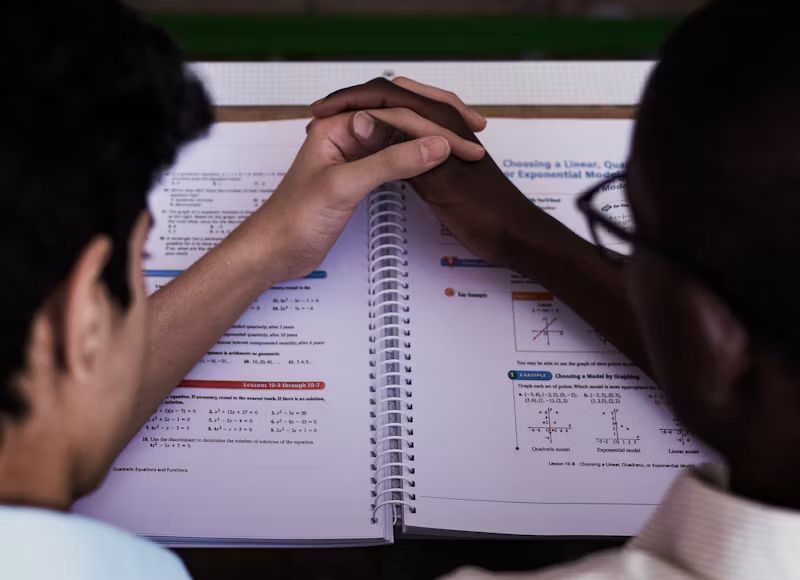
One of the clearest answers to how do small class sizes benefit students academically is the level of personalised support that each and every learner receives.
In smaller classrooms, teachers are better able to understand:
- Each learner’s strengths and weaknesses
- Individual learning styles
- Academic progress over time
- Areas where intervention may be needed
Feedback is often more detailed, timely and constructive. This type of personalised support becomes much harder to maintain when there are a very high number of learners in a classroom.
Schools that prioritise smaller learning environments often structure teaching around individual progress and engagement. You can explore our academic approach to better understand how personalised learning support is integrated into the student experience at Abbotts High School.
Deeper Engagement and Active Participation
Students in smaller classes are generally more comfortable participating in discussions, asking questions, and expressing ideas. This contributes to stronger communication skills, confidence, and independent thinking.
Smaller classroom environments are particularly valuable in discussion-based learning models because they encourage deeper engagement, active participation and stronger critical thinking skills. These are important considerations for parents comparing different curriculum pathways such as IEB vs NSC.
Earlier Identification of Learning Gaps
It is easier for teachers to notice when a learner begins struggling academically if the class sizes are smaller. Early intervention can help prevent minor challenges from developing into larger academic difficulties later on.
If parents are asking, do smaller classes improve student performance, proactive support and earlier intervention are often key reasons why the answer is yes.
Emotional and Social Benefits of Smaller Classes
The small class sizes benefits extend far beyond academics. Classroom size also shapes emotional wellbeing, confidence and social development.
Greater Confidence and a Stronger Sense of Belonging
Students are more likely to feel recognised and valued when they are in smaller groups. Rather than feeling anonymous, they become active members of a learning community where teachers and peers know them personally.
This sense of belonging can:
- Reduce social anxiety
- Increase classroom confidence
- Encourage participation
- Strengthen peer relationships
The benefits of small class sizes for anxious or introverted students can be especially significant because smaller groups often feel less intimidating and socially overwhelming.
Stronger Teacher-Student Relationships
Strong teacher-student relationships play a major role in motivation, resilience and emotional support. Smaller classrooms give teachers the opportunity to better understand learners’ personalities, challenges and emotional needs.
These relationships help students feel safer seeking help, asking questions or discussing academic concerns before problems escalate.
Small Class Sizes and Different Types of Learners
Smaller classes support a wide range of learner profiles, not just struggling students.
Learners who often benefit include:
- Students requiring additional academic support
- High achievers needing greater intellectual challenge
- Introverted learners who engage better in smaller groups
- Students with anxiety who may struggle in crowded environments
- Learners who benefit from discussion-based teaching
This is one reason why small class sizes matter in secondary school environments where students are navigating both academic pressure and adolescent development.
What Is the Ideal Class Size?
Many parents ask the question: what is the ideal class size for high school students?
While there is no single universal number, educational research generally suggests that meaningful individual attention becomes more achievable in classes where there are under 25 learners. Many educators consider 15 to 20 students to be particularly effective for secondary-level learning.
The ideal size also depends on:
- Subject requirements
- Teaching style
- Student age
- Learning support needs
- Classroom structure
Still, the principle remains consistent: smaller classes tend to create stronger opportunities for engagement, support and relationship-building.
What to Ask When Choosing a School
When visiting schools, parents should ask direct questions about classroom structure and learner support.
Some useful questions to ask include the following:
- What is the average class size across grades?
- What is the teacher-to-student ratio?
- How are struggling learners supported?
- How are advanced learners challenged?
- How does the school manage mixed-ability classrooms?
- How frequently do teachers provide individual feedback?
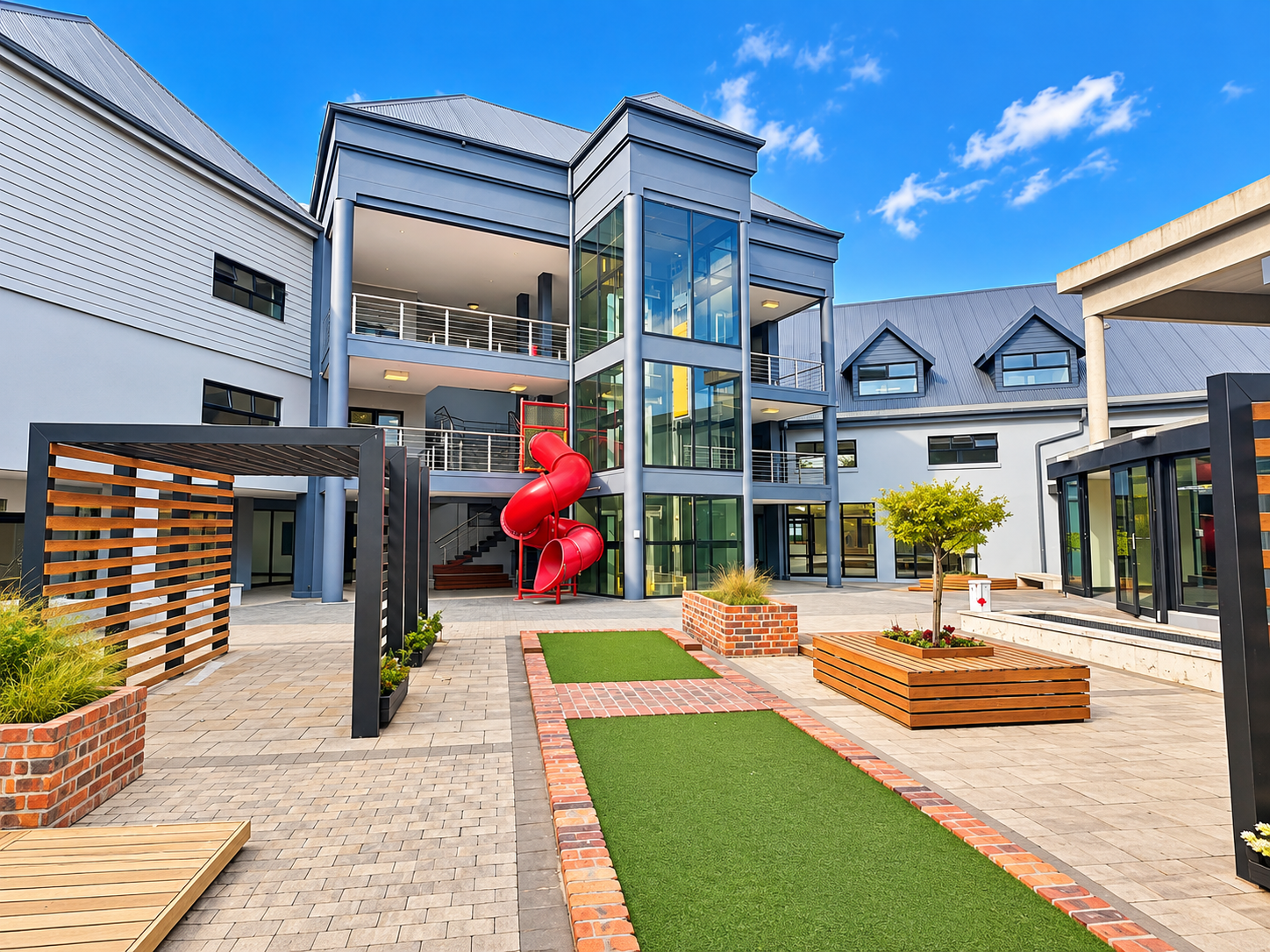
Parents can also learn more about Abbotts College by visiting campuses and experiencing the learning environment firsthand. Families can visit one of our numerous campuses, including:
- our Bordeaux campus
- our Centurion campus
- our Johannesburg South campus
- our Northcliff campus
- our Pretoria East campus
- our Rondebosch campus
Seeing classroom dynamics in person often provides the clearest insight into how schools structure learning and student support.
FAQs
- What does research say about the impact of class size on student achievement?
Research consistently links smaller classes to improved engagement, stronger teacher-student relationships and better academic outcomes. - What is considered the ideal class size for high school students?
Many educators consider classes between 15 and 20 learners ideal for meaningful interaction and personalised support. - Do small class sizes benefit all types of learners equally, including high achievers and students with learning differences?
Yes. Smaller classes support struggling learners, high achievers, introverted students and those needing additional emotional or academic support. - How do small class sizes affect teacher effectiveness and the quality of daily instruction?
Teachers can provide more individual feedback, adapt lessons more effectively and build stronger relationships with learners. - What questions should parents ask about class size when visiting or evaluating a potential school?
Parents should ask about average class size, teacher-to-student ratios, support systems, differentiation strategies and how academic progress is monitored.