COVID-19 – What does it mean for learners and teachers?
Ruth Samuels • September 21, 2020
How has COVID-19 affected you?
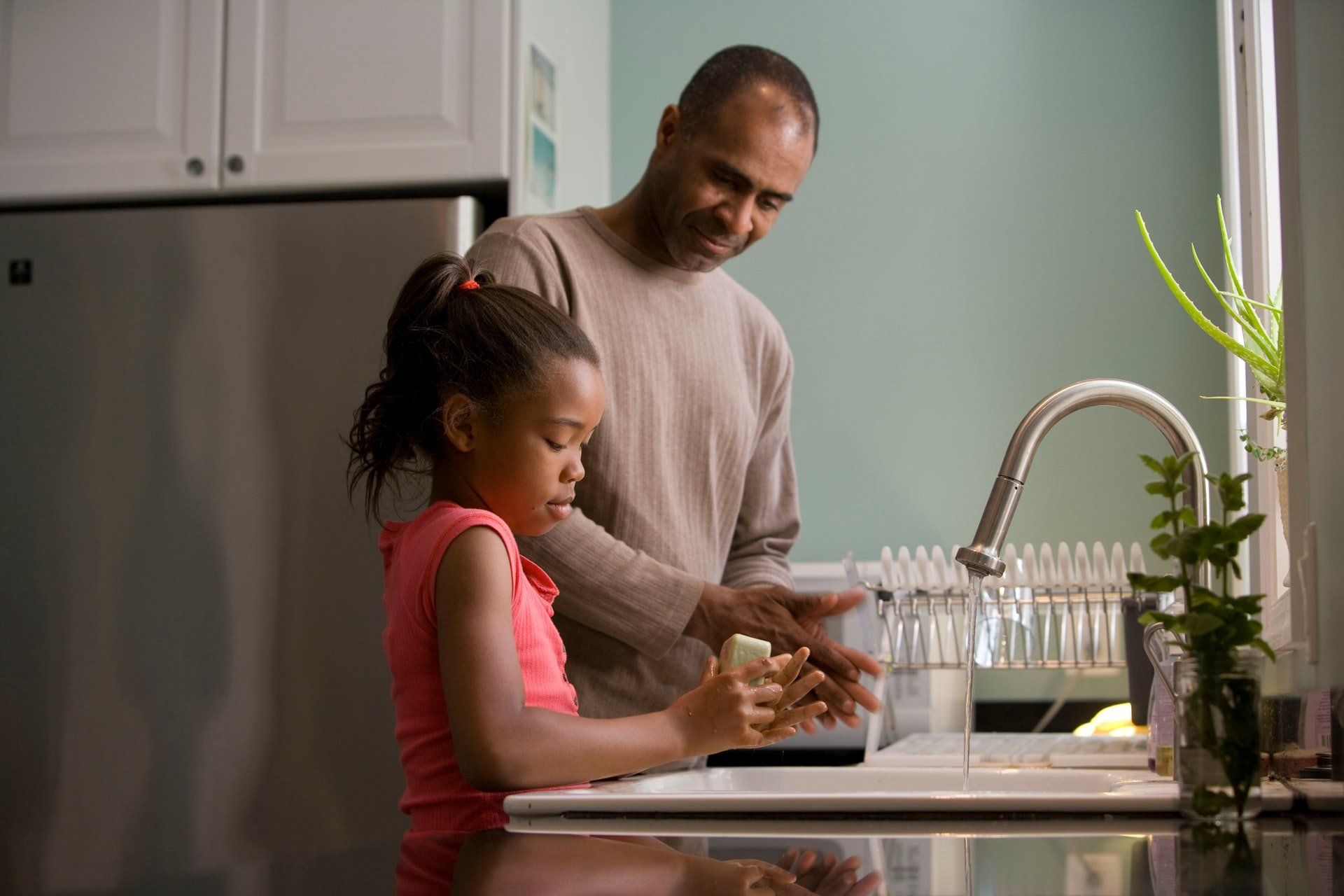
It’s one thing for those in the private sector to be surrounded by five or ten colleagues and maintain distance during the day; but for the ones who work in the public sector, going to schools and entering hospitals, it’s indeed a scary thought - equating pretty much to walking amongst landmines every minute of the day.
The devastation of the many months of COVID-19 lockdown, coupled with the parental concerns regarding formal education and mental stimulation of students (especially for those in rural areas with little or zero infrastructure for online learning) has a devastating impact on every one of us, and the domino effect will exacerbate existing disparities in the system and the marginalized communities.
The parent concerns and the part that Unions and government are playing in this matter is of great importance and impact on the future of our nation.
Many parents are unprepared for homeschooling and its challenges. For many the lack of knowledge in technology, the use of laptops and online assistance, a TV, or just the unavailability of any network access is daunting. This makes an already vulnerable society further stressed out with anxiety.
For others who are fortunate enough to have access to a refined infrastructure that is favourable to the privilege of homeschooling, it’s no less daunting. As whatever happens to one side of society spirals and affects everyone down the tube in one way or the other.
Job losses, a break down in the health and education systems, and the lack of broad-based development - which together makes up a great part of the spinal cord of any society - will be the undoing and collapse of our economy. There goes our country.
We are, and have been, dependant on the essential services. All essential workers, including teachers and health workers, have risen to the challenges that society has asked. And if any of you feel you have had enough - remember that at the end of the day, Your Life Matters.
We urge every learner and teacher to take care during the COVID-19 crisis, follow the protocols from the World Health Organisation (WHO), and make sure to keep learning throughout the #lockdown.
To learn more from our teachers and educational experts, click here.
To find out more about Abbotts College and the work we do, click here.
To learn more about how Abbotts College can improve your child’s educational journey, click here.
Feel free to call or email
one of our campuses to see what Abbotts can do for you and your child.
Abbotts College. Change Schools, Change your life.
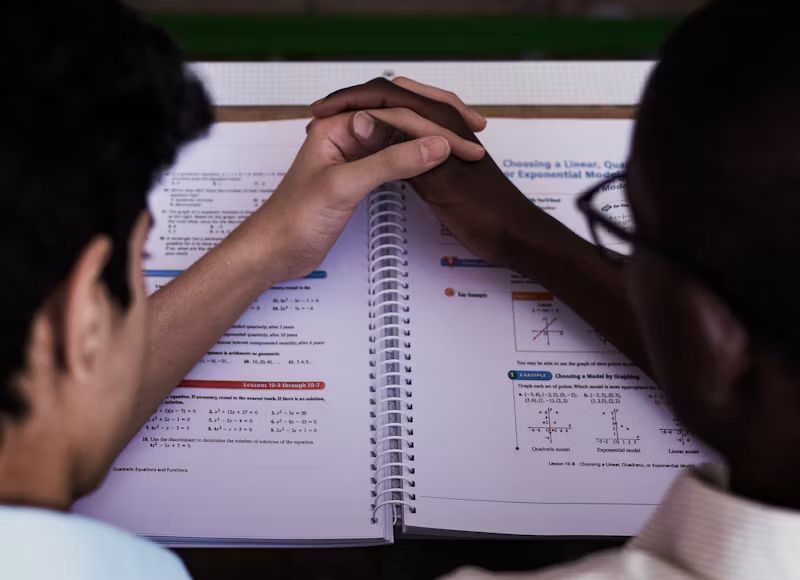
Prepare effectively for IEB matric exams with subject-specific study strategies for Maths, English, Sciences & Humanities. A practical guide for Grade 12s.

Wondering what an alternative high school day really looks like? Discover the structure, relationships & student experience that make it different.

Do alternative schools deliver strong academic results? An honest comparison of outcomes between independent and mainstream schools and what the data shows.

Not sure how to compare private schools? Use this practical evaluation guide to assess quality, culture, academics, and value before you commit.
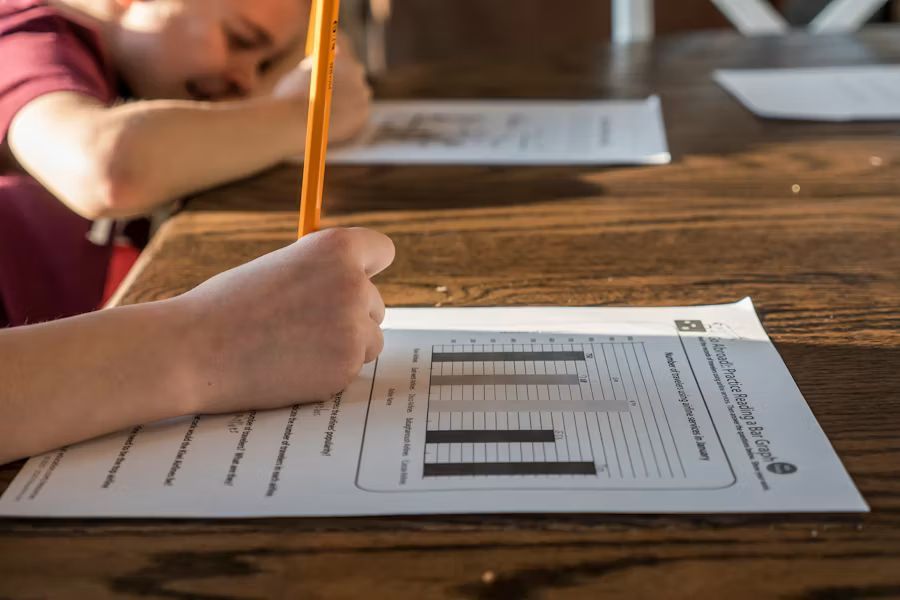
Not sure how the IEB exam system works? Discover what the IEB assesses, how results are calculated, and what it means for your child’s future in plain, simple terms.

Not sure how to guide your teen through career planning? Get practical tips on strengths, subject choices & career paths after matric.
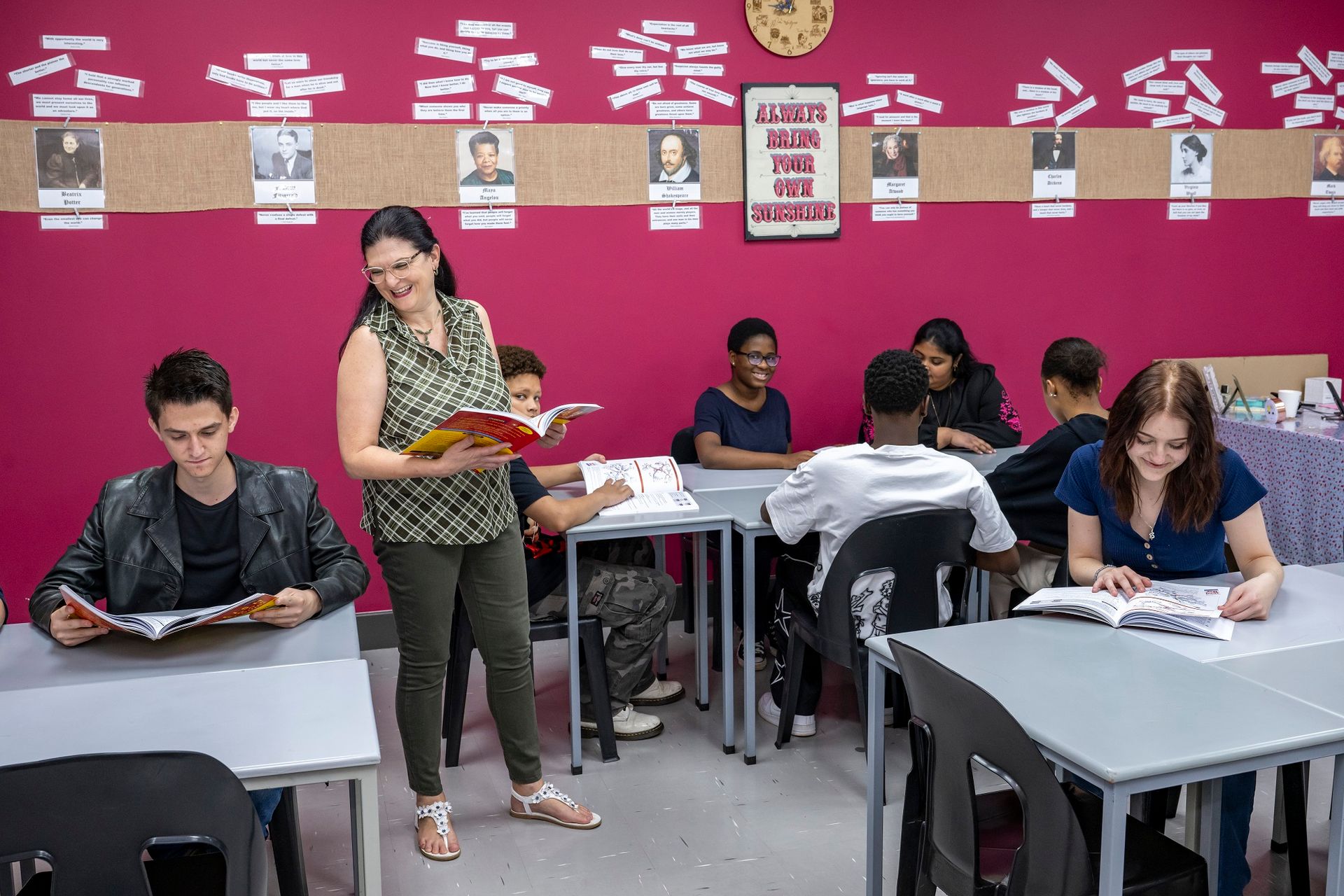
Discover how small class sizes benefit students academically, emotionally and socially. Learn why class size is one of the most important factors when choosing a school
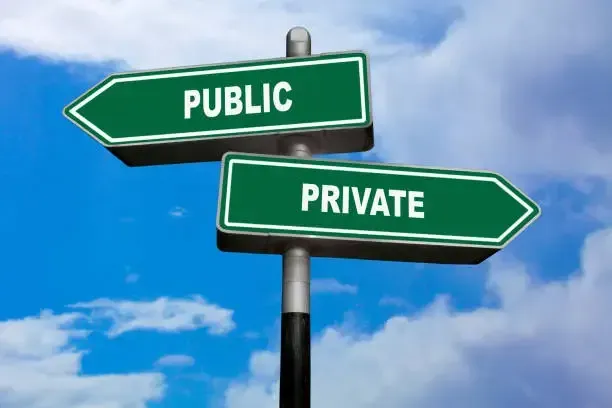
Weighing up private vs public school in South Africa? Explore the honest differences in curriculum, fees, class size and outcomes to make the best choice for your child

Our complete 2026 guide covers curricula, fees, school culture, campus visits, applications, and everything parents need to make the right choice for their child.
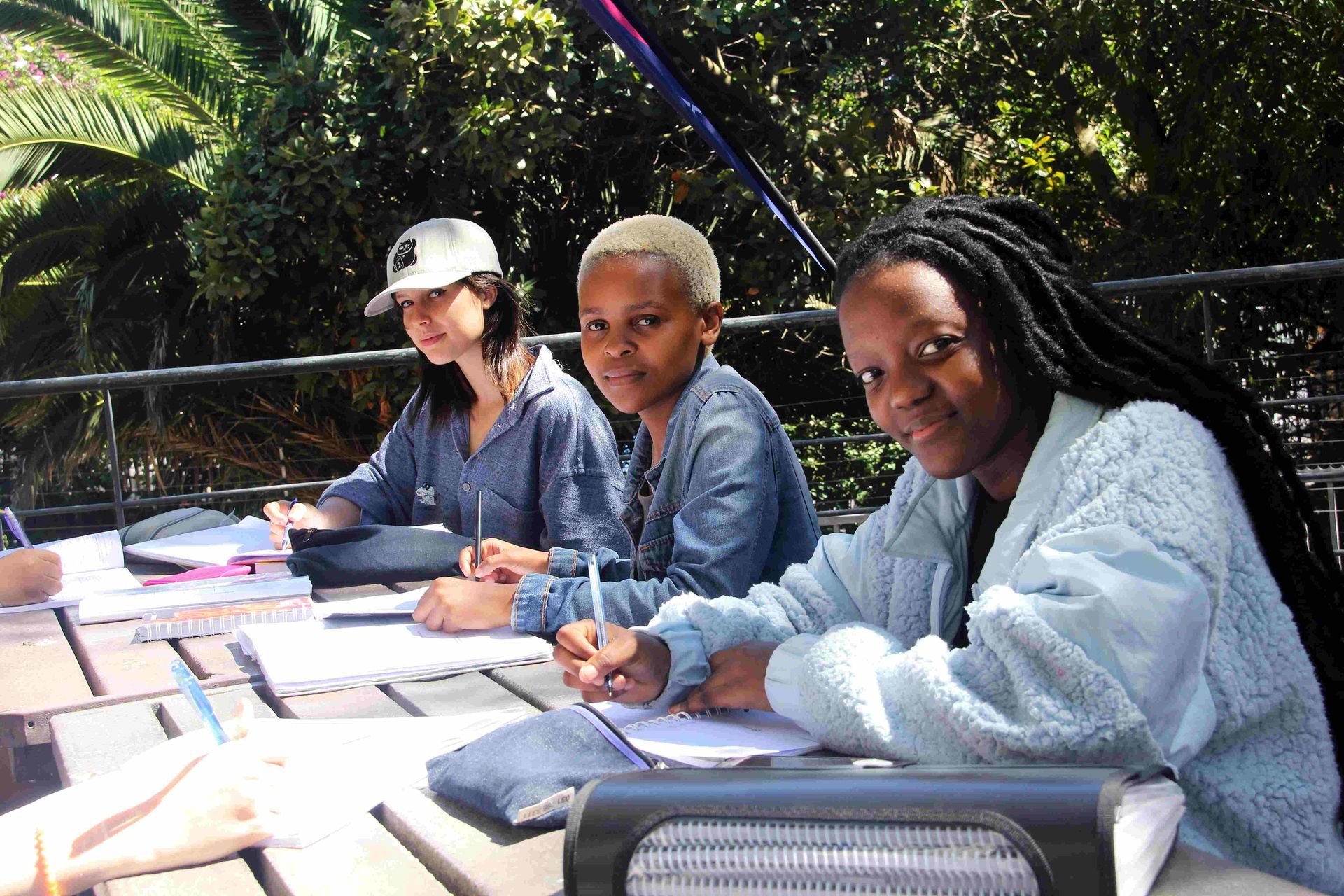
Wondering whether the IEB or NSC is better for your child? Our 2026 guide breaks down the key differences in curriculum, assessment, university recognition, and outcomes so you can make the right call.