
Five Smart Ways to Improve Your Physical Study Style
Nikki Clarke • April 9, 2021
Improve your studying at high school

Can you remember things more easily if you get to do activities yourself rather than hearing about them?
Do you find it helps to move parts of your body or walk about while you study?
A student with a Physical Study Style learns best when moving and doing. If you are physical learner, these five study strategies will help you improve your studying at High School.
1. Stand up or walk around while you study
If you are a physical learner, sitting at a desk is not ideal. If possible, convert your desk to be a stand-up desk so that you can stand while you work. The research shows that not only will this increase your concentration and help you focus for longer, but it also improves your working memory and your ability to understand and remember information.
An alternative is for you to walk around while you are studying. Walk slowly as you talk out loud and teach yourself the work. You need to keep your body moving and active when you study. Therefore, if you must sit at a desk, swing your leg, tap your foot, bounce your leg up and down or fidget in some way, as this will help to keep you focused.
2. Use gestures and actions to help you study
Studies have shown that gesturing while speaking enhances your memory. So, while you learn, use your hands and arms to point to things, emphasise facts and illustrate what you are saying. You could also physically walk out step-by-step methods and processes or count out lists of items on your fingers.
You can also use actions as a way of triggering your memory. Perhaps you can clap your hands, click your fingers, stamp your foot, pat your knees, tap your head, jump in the air or bend at the waist when you want to remember an important definition or section. By connecting a physical movement to what you are learning, you will improve your ability to remember. In research done by John Hopkins university, it was found, however, that erratic movements are less likely to form memories. Watch this short video to see the evidence. So, when you use actions to help you remember something, try to be consistent.
3. Work for short periods and then take an exercise break
As a physical learner you need to work for sessions of between 15 and 25 minutes and then take a short 5-minute break. During your break, it is ideal for you to do something physical. Take a short walk, kick a soccer ball or dance to your favourite song! When we exercise our blood pressure and blood flow increases, which means our brains literally get more energy and more oxygen. This means that after a short exercise break, you will be able to focus and concentrate better. Another reason why you will find yourself more alert after doing some physical exercise, is that the part of our brains responsible for learning and memory, the hippocampus, is activated when we exercise. So, give yourself a study boost by taking regular, short exercise breaks.
4. Study by doing
A lot of the curriculum in high school is content based, requiring you to study a lot of information. Here are some suggestions to help you be as active as possible while you study:
• Make notes and summaries of your work. Use colour and highlighters to emphasise main points.
• Create flow charts and topic webs on a notice board. Use sticky notes to add more content.
• Use a mini whiteboard to write down important points while you are studying. A whiteboard is also a useful tool for practising diagrams.
• Design flash cards, which you can use to test yourself by flipping the cards over to check your answers.
• Use blocks to position things, count things out or order things.
• When reading, use your finger as a guide, slowly moving it down the page as you read.
5. Link what you are learning to the real world
Content will stay in your memory much longer if you can relate to it or link it to the real world. If you understand how a topic is applied in practice, you are far more likely to remember it. You are also more likely to recall stories and case studies about real people and situations than a list of facts. You can use the internet to help you source information.
Another way in which you can link the real world to your studies is by using your environment and the people you know as the basis for study techniques. You can use your home, your school, your local shopping centre, or your neighbourhood to build memory palaces. You can give various concepts personalities and identities by linking them to family members, friends, or teachers. This works particularly well if you can connect the concept in some way to a characteristic or trait in the person.
If you have a Physical Study Style, try out these five study strategies and adapt them so that they work best for you. These study strategies will make learning easier, more fun and improve your studying at High School.
References:
https://www.ncbi.nlm.nih.gov/pmc/articles/PMC3536268/
https://youtu.be/yev94H_Nabg
https://www.sciencealert.com/switch-your-desk-up-if-you-want-to-study-better-research-suggests
https://www.scientificamerican.com/article/why-do-you-think-better-after-walk-exercise/#:~:text=Part%20of%20the%20reason%20exercise,makes%20our%20brain%20perform%20better.


Prepare effectively for IEB matric exams with subject-specific study strategies for Maths, English, Sciences & Humanities. A practical guide for Grade 12s.

Wondering what an alternative high school day really looks like? Discover the structure, relationships & student experience that make it different.

Do alternative schools deliver strong academic results? An honest comparison of outcomes between independent and mainstream schools and what the data shows.

Not sure how to compare private schools? Use this practical evaluation guide to assess quality, culture, academics, and value before you commit.
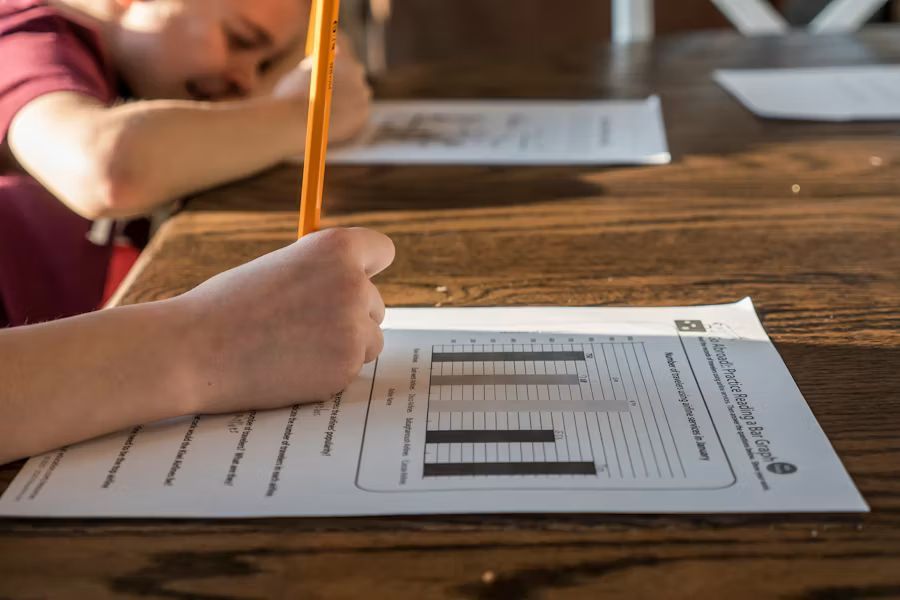
Not sure how the IEB exam system works? Discover what the IEB assesses, how results are calculated, and what it means for your child’s future in plain, simple terms.

Not sure how to guide your teen through career planning? Get practical tips on strengths, subject choices & career paths after matric.
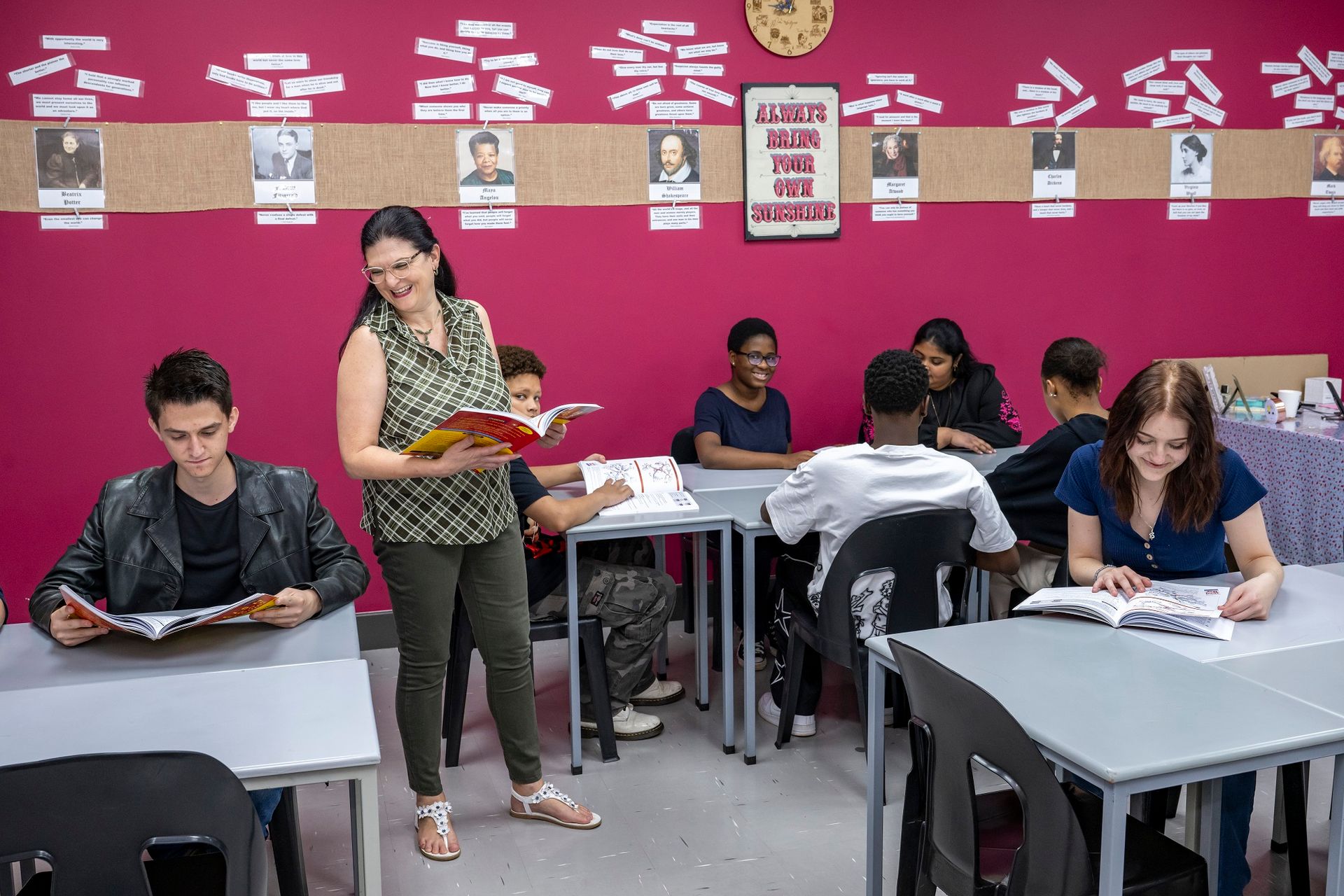
Discover how small class sizes benefit students academically, emotionally and socially. Learn why class size is one of the most important factors when choosing a school

Weighing up private vs public school in South Africa? Explore the honest differences in curriculum, fees, class size and outcomes to make the best choice for your child

Our complete 2026 guide covers curricula, fees, school culture, campus visits, applications, and everything parents need to make the right choice for their child.
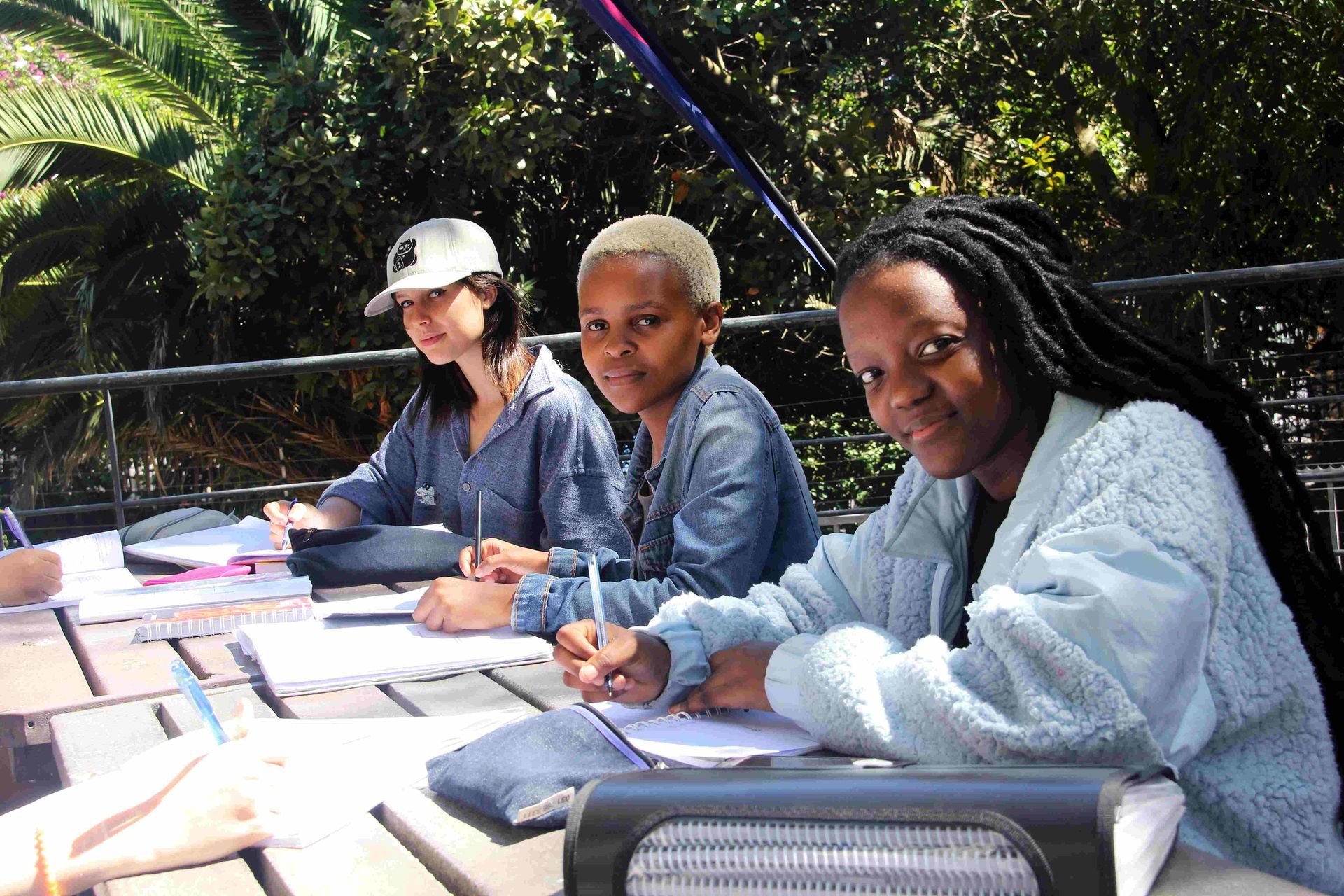
Wondering whether the IEB or NSC is better for your child? Our 2026 guide breaks down the key differences in curriculum, assessment, university recognition, and outcomes so you can make the right call.