5 Skills Learning from Home Taught Us
April 14, 2021
Over the past year, 2020, more and more students transitioned from physical learning to online learning and back to physical learning. At Abbotts College, our students, parents, and teachers learned many lessons that can be applied throughout everyday life.
1. Self-discipline
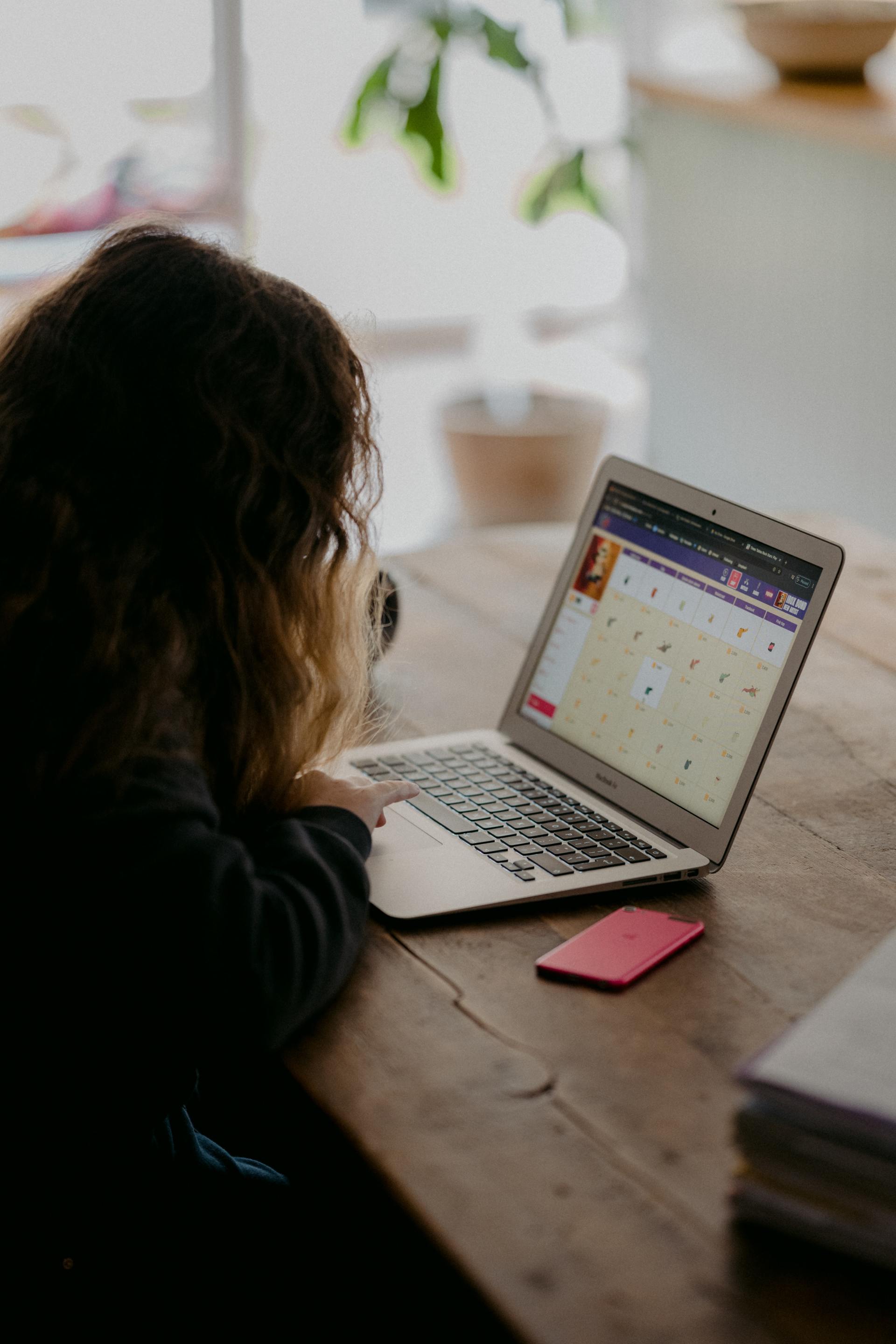
Although it’s always important to practice self-discipline, online learning during the pandemic pushed the boundaries of self-discipline. Developing a routine and sticking to it was a struggle for many students. The past year taught us that self-discipline can be very difficult, but it also has the potential to have a positive impact on your life and ensure you reap the rewards. Some students from our Class of 2020 quoted discipline as one of the biggest keys to their success during the 2020 academic year.
2. Time Management
Time management isn’t just about having too little time on your hands; it’s also about sometimes having too much time, feeling overwhelmed, or procrastinating. Throughout 2020, our students had to learn how manage their time wisely and make sure that they complete their classwork, homework and School-based Assessments on time.
Through developing time management skills, our students were able to prioritise and manage their time wisely. The non-traditional approach to learning at Abbotts College is geared towards empowering our students to take control of their lives, be future-focussed and manage their time wisely.
3. Staying Motivated
Staying motivated is generally a difficult task for most individuals and the pandemic pushed the limitations of motivation. Students across the world had to find new ways to become and stay motivated throughout the pandemic and Abbotts College students were no different. Some students used techniques such as meditating, goal setting and rewarding themselves to stay motivated throughout the year.
4. Organisation Skills
Organisational skills were as important as ever in 2020. Our students and teachers had to learn how to turn dining room tables into classrooms and back into dining room tables every day. Having the ability to organise your space to help you work optimally was important.
Even more important was to become mentally organise: being able to compartmentalise your brain and look at the table in your bedroom as a classroom desk every day was taxing but it also taught us how to mentally organise our spaces.
5. Emotional Wellbeing
Last but certainly not least, we learned how to take care of our emotional wellbeing. Although most of our students, parents, and teachers were not physically ill, the risk of mental fatigue (or COVID-fatigue) and even depression was very real. Throughout the 2020 academic year, we stressed the importance of actively understanding emotions and learning how to manifest positive mental states.
2020 brought a lot of challenges with it, but it did allow us to practice self-improvement and learn many lessons along the way.
Our non-traditional approach to learning fosters life skills and enables our students to achieve everything they set out to. For more on us and our schools, please click here - Our Schools
To apply for your child to join us, please visit the following link: Apply Now
If you have a general enquiry, please address it to us here: Enquire Now
Prepare effectively for IEB matric exams with subject-specific study strategies for Maths, English, Sciences & Humanities. A practical guide for Grade 12s.
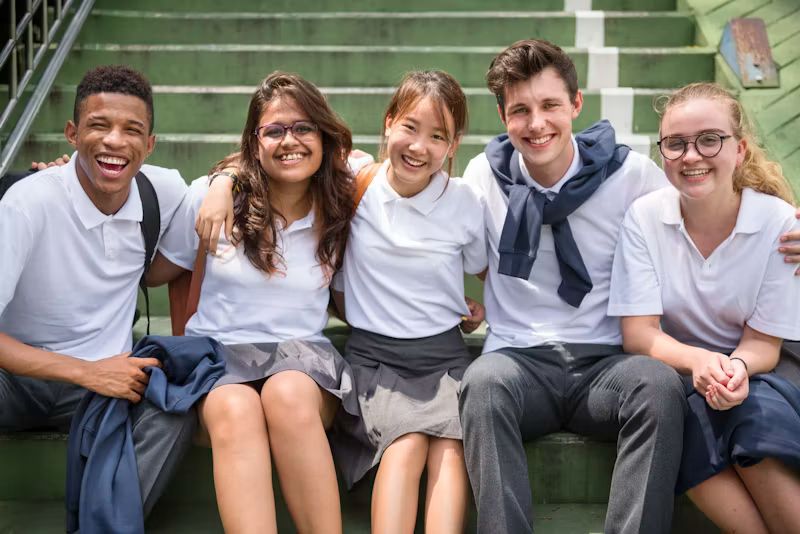
Wondering what an alternative high school day really looks like? Discover the structure, relationships & student experience that make it different.

Do alternative schools deliver strong academic results? An honest comparison of outcomes between independent and mainstream schools and what the data shows.
Not sure how to compare private schools? Use this practical evaluation guide to assess quality, culture, academics, and value before you commit.
Not sure how the IEB exam system works? Discover what the IEB assesses, how results are calculated, and what it means for your child’s future in plain, simple terms.
Not sure how to guide your teen through career planning? Get practical tips on strengths, subject choices & career paths after matric.
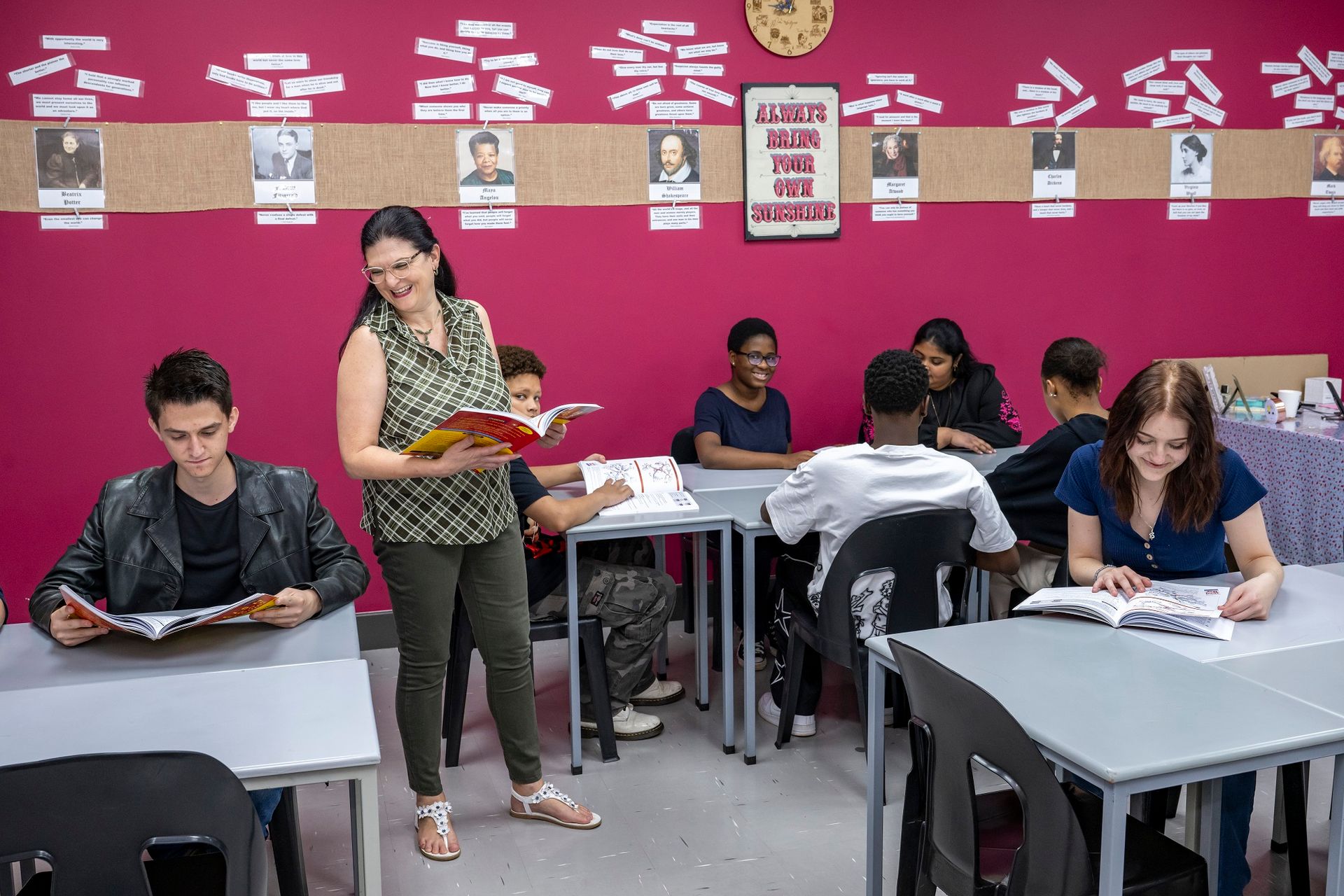
Discover how small class sizes benefit students academically, emotionally and socially. Learn why class size is one of the most important factors when choosing a school
Weighing up private vs public school in South Africa? Explore the honest differences in curriculum, fees, class size and outcomes to make the best choice for your child
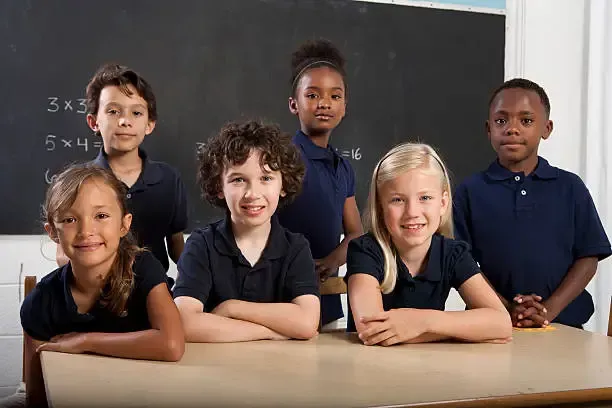
Our complete 2026 guide covers curricula, fees, school culture, campus visits, applications, and everything parents need to make the right choice for their child.
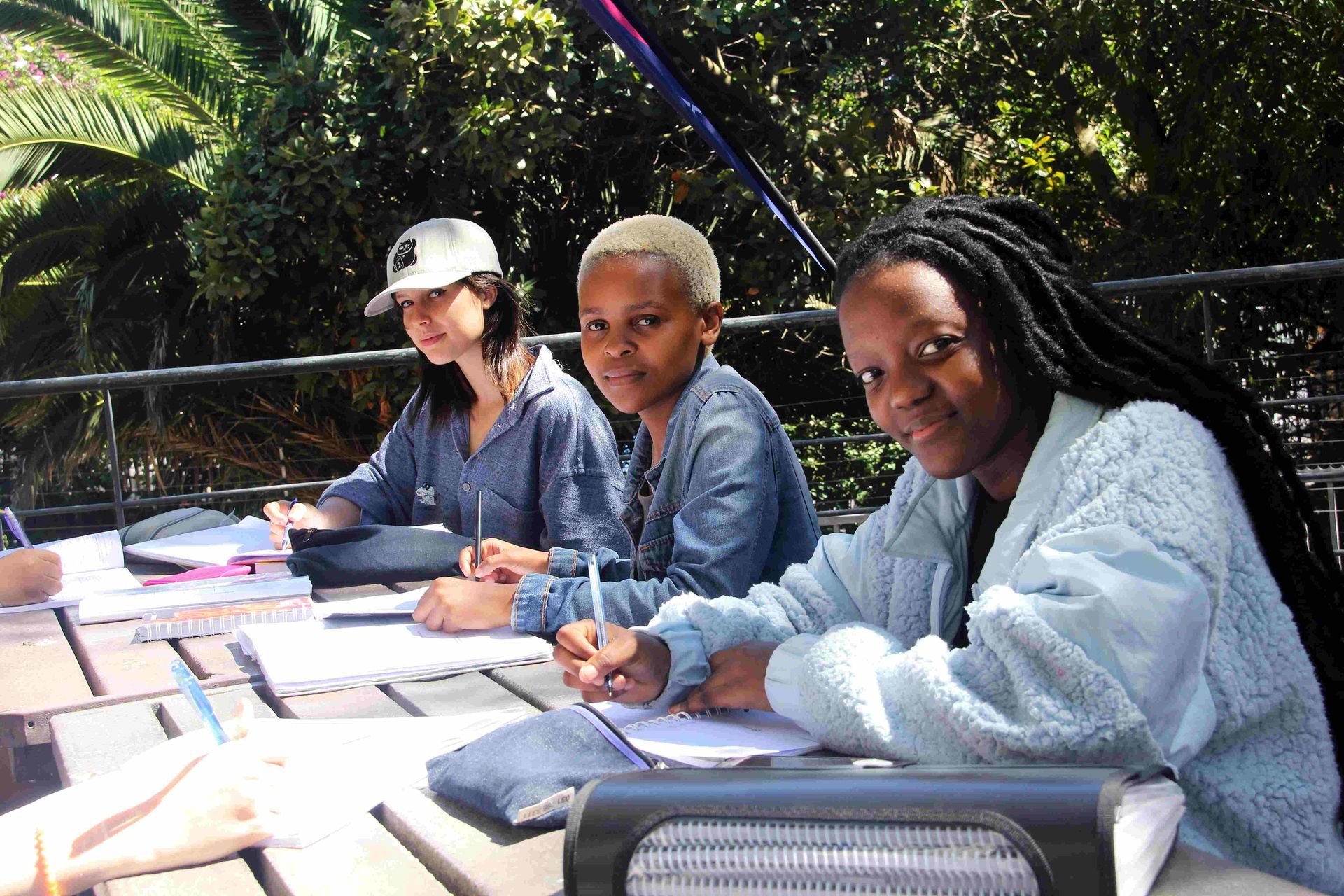
Wondering whether the IEB or NSC is better for your child? Our 2026 guide breaks down the key differences in curriculum, assessment, university recognition, and outcomes so you can make the right call.