The Complete Guide to Choosing a Private High School in South Africa
Key Takeaways
- Private and independent schools often provide curriculum choice, smaller classes and stronger pastoral support.
- Understanding the differences between CAPS and IEB can help parents make a more informed decision.
- School culture, wellbeing support, and teaching approach matter just as much as academic results.
- Parents should enquire about bursaries and financial assistance before ruling out private schooling on cost alone.
- Starting the application process early improves the chances of securing placement at your preferred school.
The right high school is one that supports your child academically, emotionally and personally while preparing them confidently for the future.
Choosing a high school is one of the biggest, and often toughest, education decisions a parent will make. With so many options available, many families find themselves comparing curricula, weighing up school culture, considering affordability and trying to determine which environment will best support their child’s future. The private high school South Africa landscape is broad and diverse, which is why parents need practical guidance and clear information, not more confusion.
This private school guide unpacks the key factors to consider when researching private high schools in South Africa. From understanding the difference between CAPS and IEB, to evaluating school culture, fees, applications and campus visits, everything you need to know is right here.
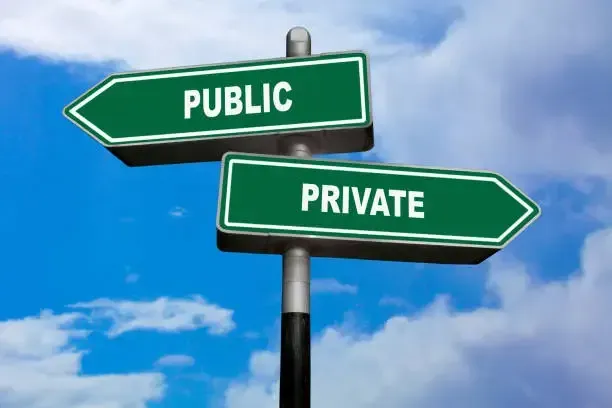
Parents often search for advice on how to choose a private high school in South Africa, particularly when comparing curricula, school culture, affordability and long-term academic support. It is also important to understand the distinction between school types. Understanding the difference between private and independent school South Africa families often ask about is important before comparing school options. Government schools are state-funded and follow the national curriculum. Private and independent schools operate outside of direct government management. Independent schools are privately run institutions registered with the Department of Education. They often offer smaller classes, alternative teaching approaches or different curricula.
Why Parents Choose Private High Schooling in South Africa
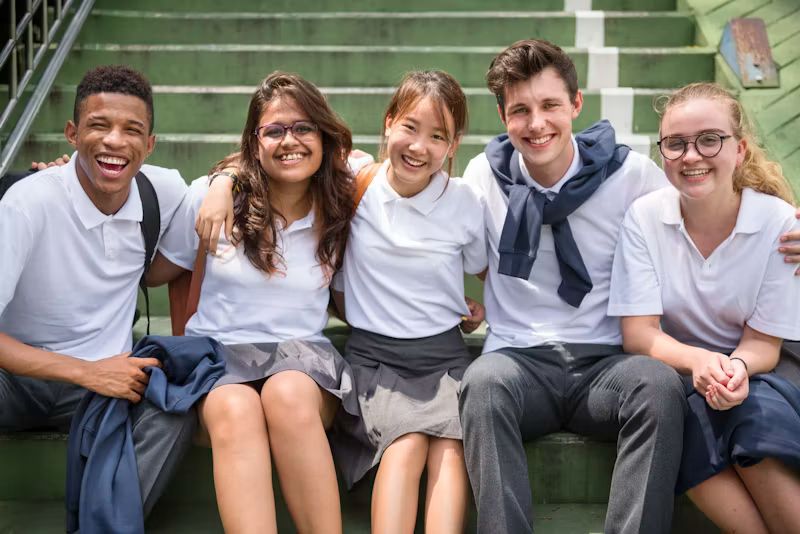
Many parents explore private schooling because they are looking for a more personalised, supportive and academically focused environment for their child. Families comparing a private high school South Africa option are often looking beyond academics alone and considering emotional wellbeing, student support, and long-term educational outcomes.
- Smaller class sizes often allow for more individual attention and stronger student support.
- Parents can choose between curricula such as CAPS and IEB depending on their child’s learning style and future goals.
- Many private schools place strong emphasis on pastoral care, wellbeing, and emotional support.
- Extracurricular programmes often include a wider range of sports, cultural activities, leadership opportunities and academic enrichment.
- Strong matric results and university preparation remain a key reason families make the switch.
Many parents researching the best private schools SA has to offer are looking beyond academics and focusing on student wellbeing, support systems, and long-term development. Many of the private high schools differentiate themselves through student support, academic flexibility and wellbeing programmes.
The debate around private school vs government school South Africa often centres on class size, support structures, curriculum choice, and access to extracurricular opportunities. To better understand different schooling approaches and support structures, you can learn more about our school.
CAPS vs IEB: Which Curriculum Is Right for Your Child?
One of the most common questions parents ask is: what is IEB and how is it different from CAPS?
CAPS (Curriculum and Assessment Policy Statement) is South Africa’s national curriculum and is followed by most government schools as well as many private schools. It provides a standardised framework with structured assessment guidelines.
IEB (Independent Examinations Board) is an independently assessed curriculum commonly associated with private schools. It is often regarded as more rigorous in its approach to critical thinking, problem-solving and application-based learning. It is also widely recognised overseas.
Rather than asking which curriculum is “better”, parents should focus on which environment and learning style will best suit their child and their future prospects.
- CAPS may suit students who thrive in a structured and highly standardised system.
- IEB may appeal to students who enjoy analytical thinking, independent learning, and discussion-based teaching.
This is an important conversation to have during a school visit or consultation.
What to Look for When Choosing a Private High School
When evaluating schools, parents should look beyond marketing brochures and consider the overall student experience.
- Academic performance and matric pass rates should demonstrate consistent results over time.
- School culture, values, and ethos should align with your family’s expectations and your child’s personality.
- Pastoral care and wellbeing support are essential for helping teenagers manage academic and social pressures.
- Class sizes and teacher-to-student ratios can influence the amount of personal attention students receive.
- Extracurricular opportunities should support balanced development beyond academics.
- Location and transport logistics should be realistic and sustainable for everyday family life.
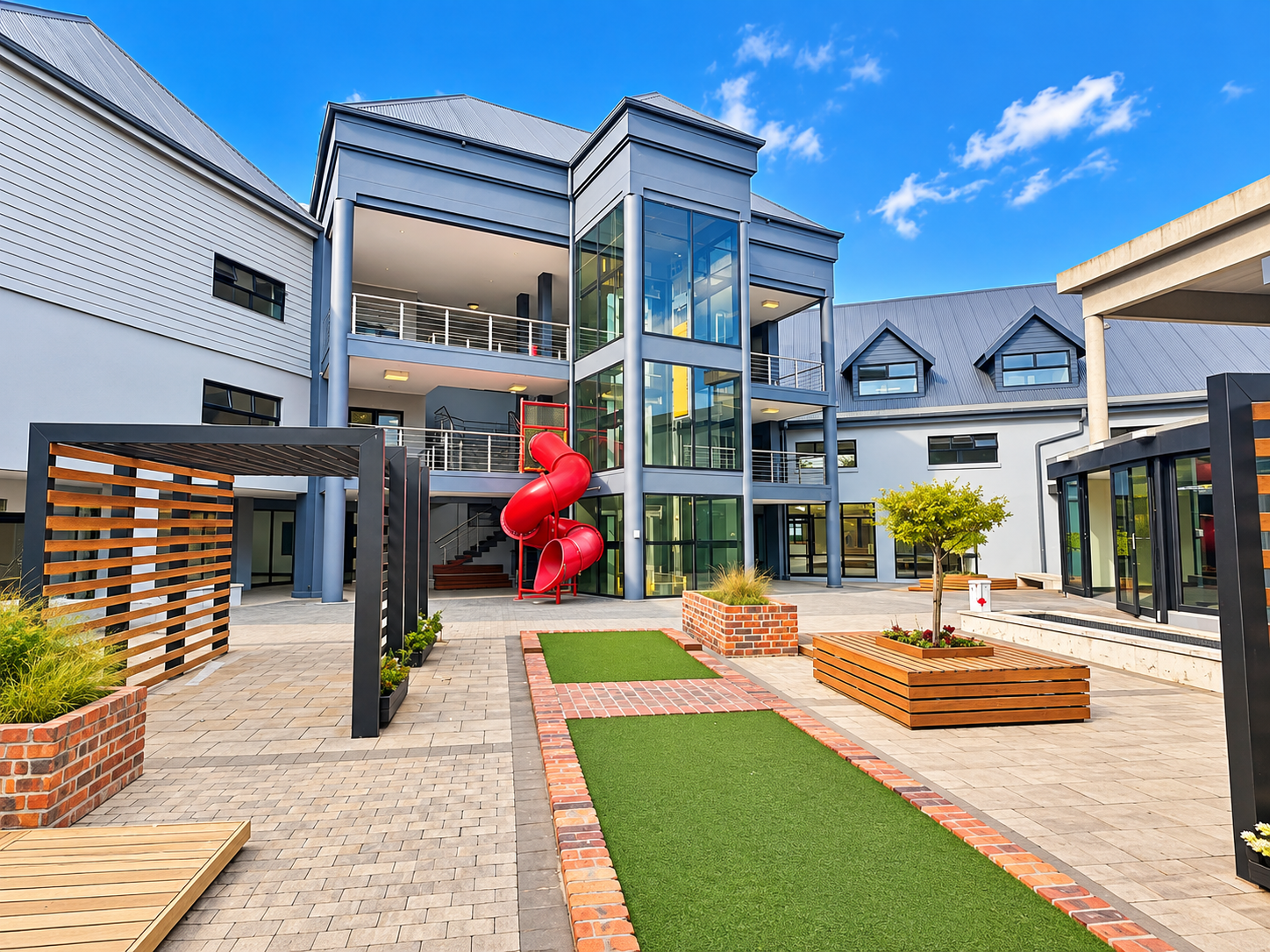
Where possible, parents should visit campuses in person before making a final decision. A school tour offers valuable insight into classroom dynamics, staff interaction and the overall atmosphere of the campus. You can book a campus tour to experience the Abbott’s School environment firsthand.
Many parents are unsure what questions to ask on a school tour South Africa schools may offer, but preparing beforehand can make the visit far more valuable.
During a school tour, consider asking:
- How does the school support students who are struggling academically?
- What mental health and wellbeing support is available?
- How does the school communicate with parents?
- What leadership and extracurricular opportunities are available?
- How are discipline and student behaviour managed?
Understanding Private School Fees in South Africa
Private school fees in South Africa vary significantly depending on the school’s location, facilities, boarding options and curriculum offering.
Fees typically cover tuition, academic resources, facilities, and certain school activities. Additional costs may include uniforms, stationery, textbooks, sports tours, cultural trips, and specialised extracurricular programmes.
Many schools also offer bursaries, scholarships, or financial assistance programmes, so parents should not automatically rule out private education before enquiring about available support.
For the latest information, you can view our current fee schedule.
How to Apply for a Private High School in South Africa
Applications for private high schools often begin well before the intended start year, particularly at schools with limited space availability.
- Begin researching schools 12 to 18 months before your child’s intended start date.
- Arrange a school visit or consultation before applying.
- Submit your application together with recent academic reports and supporting documentation.
- Apply as early as possible, as spaces at many private schools are competitive.
Parents who are ready to move forward can apply now to begin the process.
Our Campuses Across South Africa
With campuses across multiple regions, families can access supportive, student-focused learning environments in several major centres.
- Our Bordeaux campus offers a well-established learning environment in Johannesburg’s northern suburbs.
- Our Centurion campus provides accessible private schooling for families in the greater Pretoria region.
- Our Johannesburg South campus serves students across the southern areas of Johannesburg.
- Our Northcliff campus is ideally positioned for families who are looking for schooling in Johannesburg’s western and northern areas.
- Our Pretoria East campus supports students in one of Pretoria’s fastest-growing residential regions.
- Our Rondebosch campus provides private schooling access within Cape Town’s southern suburbs.
FAQs
What is the difference between an IEB and a CAPS matric, and which is recognised by South African universities?
Both CAPS and IEB matric qualifications are recognised by South African universities, provided students meet the relevant admission requirements. The main difference lies in assessment style and teaching approach, with IEB often placing stronger emphasis on analytical and application-based learning.
How do I know if my child is academically ready for the transition to a private high school?
Academic readiness is only one factor. Parents should also consider emotional maturity, learning style, confidence, and the type of support their child may need during the transition.
Do private schools in South Africa offer financial assistance or bursaries, and how do I apply?
Many private schools offer bursaries, scholarships, or financial assistance programmes. Requirements differ between schools, but applications usually involve financial documentation and academic records.
How important is school accreditation, and what should I look for when verifying a private school’s credentials?
Accreditation is extremely important. Parents should ensure that schools are registered with the Department of Education and that their qualifications are recognised nationally.