9 Skills All Teenagers Should Know
July 31, 2020
Important skills for teenagers

We all want what’s best for our children. It’s why we try to teach them things we think they ought to know. From social to domestic and even financial, there are many skills for teenagers that will set them up for a happy and productive life. When it comes to imparting such vital learnings, it’s tough to know what to teach.
At Abbotts College, we like to empower our students with everything they need to make a success of themselves at every stage of life. As a result, we assist both them and their parents at every stage of the educational journey. Where life skills for teenagers are concerned, our school and its educators lay a solid foundation of values and ethics. This drives the skills that they need most.
What are our top skills for teenagers? Here are the ones that we believe every child should master.
1. Budgeting and financial management:
Does your child know the value of money, understand how to follow the budget
and respect the concept of saving? What they don’t learn now will impact them far worse later.
2. Basic food preparation:
Every teenager should know how to prepare a few simple, healthy and affordable meals. This will help them stay nourished and save money in the long run.
3. How to look after their health:
Knowing what medication to take for certain ailments and when to get to a doctor is the key to helping them stay healthy. Help them put together a medicine kit and teach them how to use it.
4. The importance of social skills and manners:
Basic greetings and eye contact go a long way.
Not only will this help your child make friends, it’ll also enable them to network, land jobs and even make good first impressions.
5. Personal hygiene and grooming:
This is imperative to help them practise self-love and put their best foot forward. How to dress appropriately for every occasion is an important skill, as is bathing daily, brushing teeth and caring for nails and hair.
6. How to change a tyre:
The value of this one is only realised once your child is stuck on the side of the road with a flat. Show them and make sure they know how. It’ll help them avoid danger.
7. Key domestic tasks:
How to do laundry, how to iron and how to do a basic clean or their room or apartment. This makes them responsible for their surroundings and ensures that they can keep them clean.
8. Good work ethic:
Work is an important part of life and without it, we cannot enjoy the lives that we want. Give your child chores or encourage them to take up a part-time job so that they can appreciate the life and opportunities that work affords them.
9. Basic first aid:
Teach them what to do in an emergency and arm them with the correct numbers to call. Show them how to clean a wound, administer CPR and apply pressure to an injury.
The skills they need to succeed
Our non-traditional approach to learning fosters life skills and enables our students to achieve everything they set out to. For more on us and our schools, please click here - Our Schools
To apply for your child to join us, please visit the following link: Apply Now
If you have a general enquiry, please address it to us here: Enquire Now
Prepare effectively for IEB matric exams with subject-specific study strategies for Maths, English, Sciences & Humanities. A practical guide for Grade 12s.

Wondering what an alternative high school day really looks like? Discover the structure, relationships & student experience that make it different.

Do alternative schools deliver strong academic results? An honest comparison of outcomes between independent and mainstream schools and what the data shows.

Not sure how to compare private schools? Use this practical evaluation guide to assess quality, culture, academics, and value before you commit.
Not sure how the IEB exam system works? Discover what the IEB assesses, how results are calculated, and what it means for your child’s future in plain, simple terms.

Not sure how to guide your teen through career planning? Get practical tips on strengths, subject choices & career paths after matric.
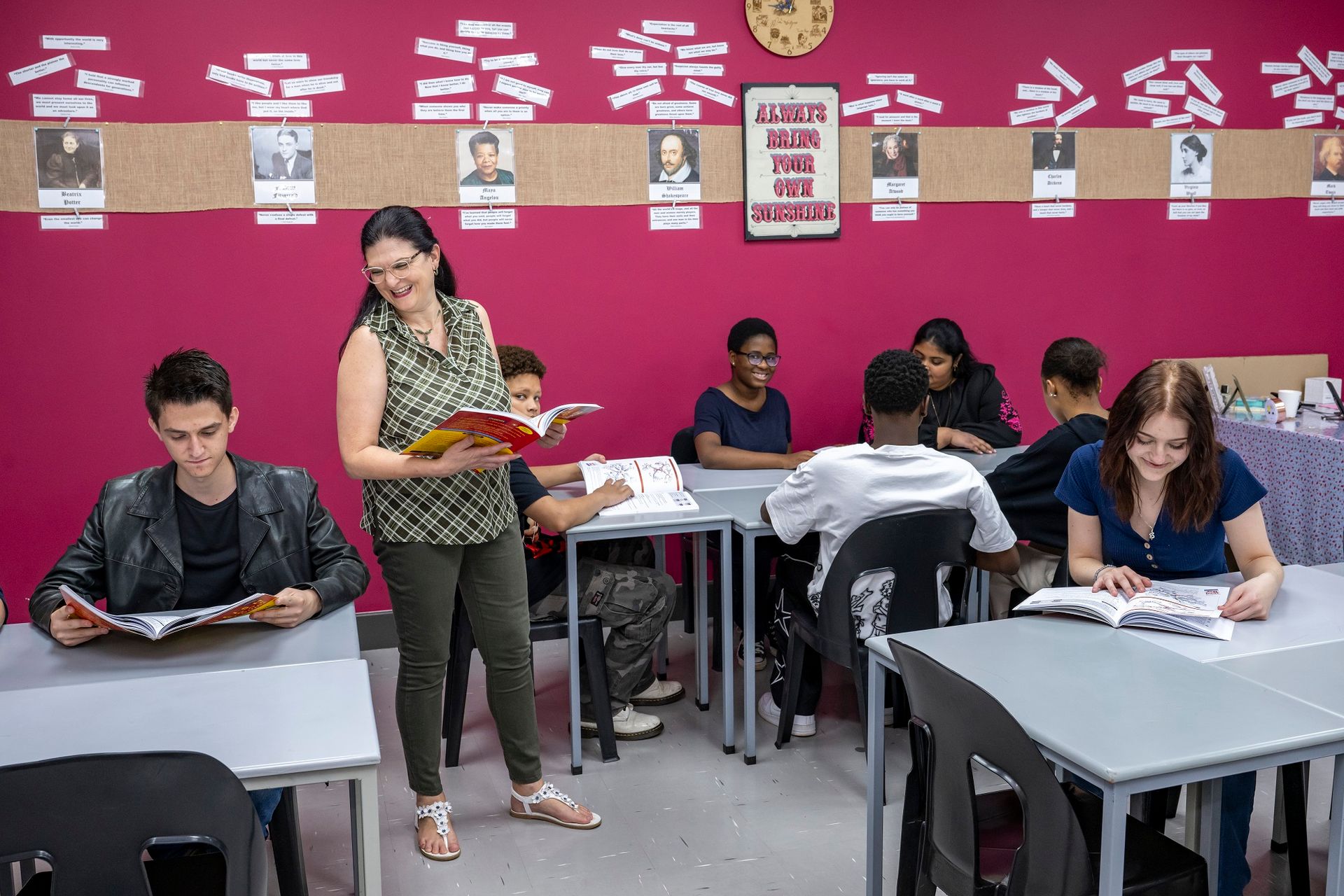
Discover how small class sizes benefit students academically, emotionally and socially. Learn why class size is one of the most important factors when choosing a school
Weighing up private vs public school in South Africa? Explore the honest differences in curriculum, fees, class size and outcomes to make the best choice for your child
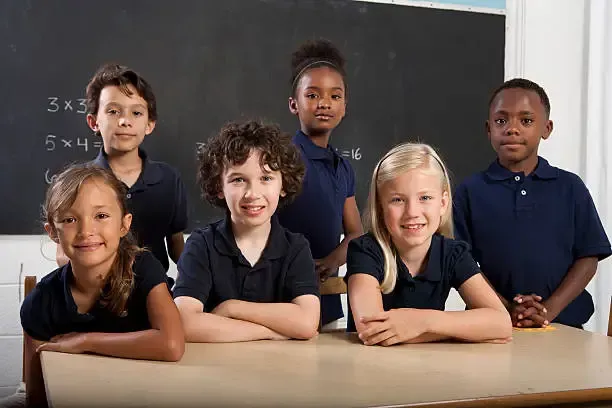
Our complete 2026 guide covers curricula, fees, school culture, campus visits, applications, and everything parents need to make the right choice for their child.
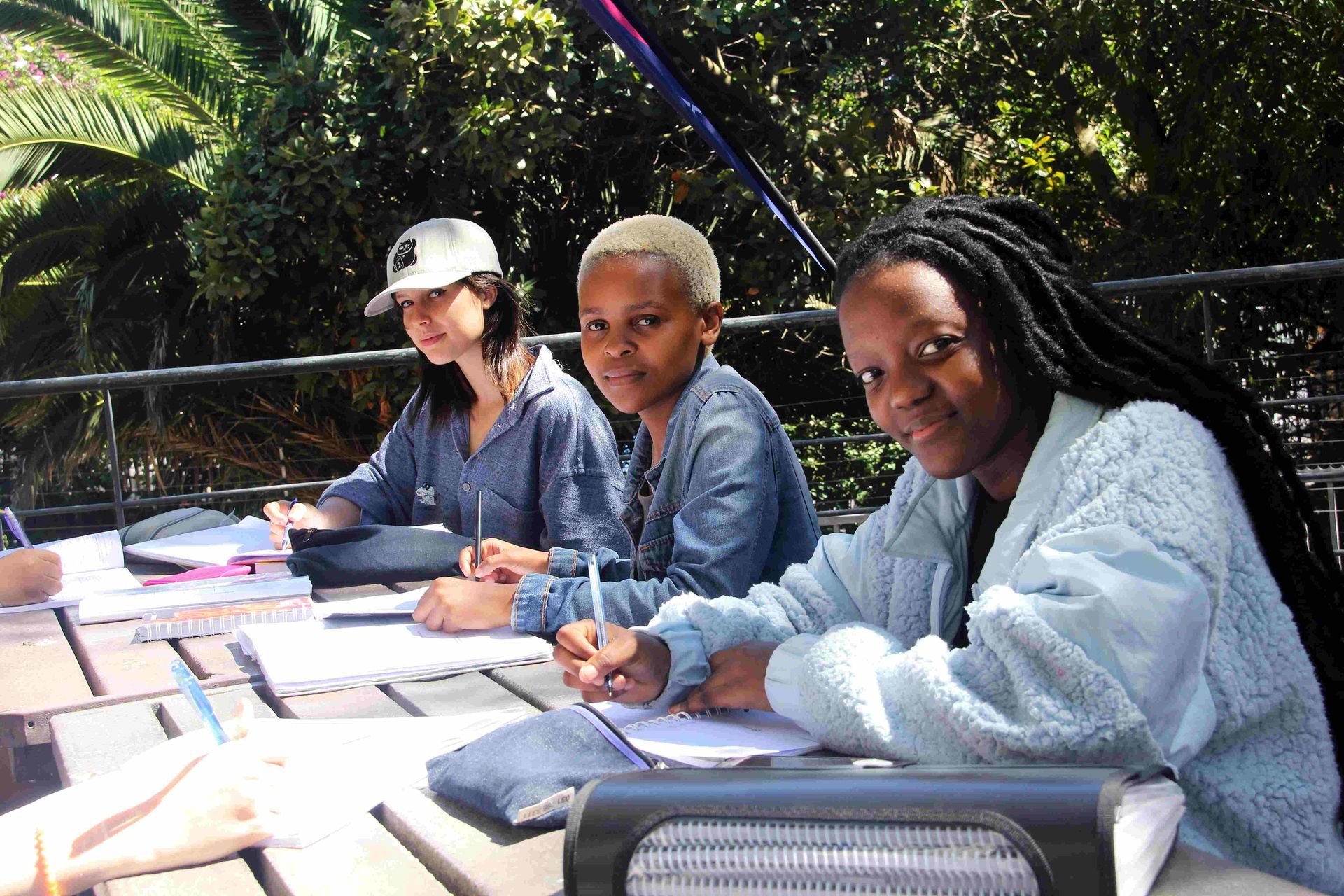
Wondering whether the IEB or NSC is better for your child? Our 2026 guide breaks down the key differences in curriculum, assessment, university recognition, and outcomes so you can make the right call.