
Awaiting your Grade 12 results
January 7, 2020
Approximately 750 000 students are eagerly awaiting the release of their final matric results, which will be made available on Wednesday, 8 January 2020.
Of course “the wait” for these important results could lead to students feeling anxious, which is perfectly normal and sometimes even a healthy emotion.
However, life does not always work out the way we plan and many students might not have achieved the results that they were hoping for. It is, therefore, important that students realise that a poor matric result does not spell the end for their future goals. A positive attitude and outlook will assist students to realign themselves or set new goals for their future.
Tips to assist students while they await their results:
i. What is done, is done!
There is no point stressing or dwelling on the past. Rather channel your energy in a positive way towards a personal and worthy cause.
ii. Keep yourself busy:
Ensure that you get enough sleep and continue to follow a healthy eating plan and get enough physical exercise.
iii. Talk about your worries:
Ensure that you have a support network of people who you trust and who you can talk to. Often by just talking to someone who understands, your anxiety will be reduced.
iv. Write down a three point plan:
Your plan should include: what are your options if your results are better than you expected; what are your options if your results are what you expected; and lastly what are your options if your results are less than you expected. Share your three point plan with your support network.
v. Be positive!
As mentioned before, a healthy attitude will take you far! Remember, in the end a mark on a certificate does not define you.
Should your results not be what you expected, there are several options available to you:
▪ Re-mark / re-checking
The due date for GDE applications for this process is 22 January 2020. More details about the process will be printed at the back of your statement of results, which can be collected from your examination centre on 8 January 2020.
▪ A second chance
Abbotts Colleges can assist you to improve and upgrade your results! Our unique young adult approach will assist you with gaps you might have experienced in the 2019 Final Examination, either as a full time or part time student. Abbotts College is all about Academic improvement, in fact, we guarantee it. Feel free to visit any of our campuses or visit our website to find how we can assist you in realising your potential.
In the words of Billy Cox :“You don’t have to close the book to start a new chapter … just turn the page”.
Wishing you the best of luck, Class of 2019!

Trying to decide between a gap year and university after matric? Compare the pros, cons and alternative pathways to help you choose with confidence.

Wondering what to ask on a school tour? Discover the key questions every parent should ask at a school open day to find the right fit.
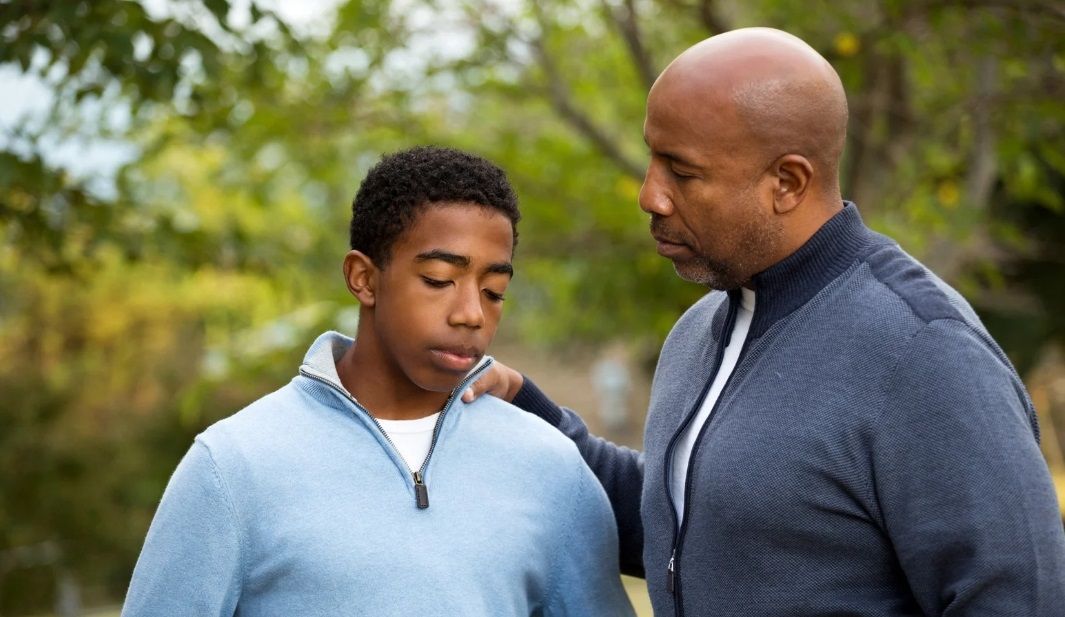
Active listening, honest conversations and healthy parental role modelling can help teenagers feel safe enough to speak openly about their mental health.

Bringing more than 21 years of educational experience to Randburg, Marion Kohler is building a school where students are known, supported and inspired to achieve their potential.

Abbotts High School Bordeaux will open its doors to Grade 8 and Grade 9 students, offering an exciting educational experience where individuality is celebrated, academic ambition is encouraged and every student is known.

Prepare effectively for IEB matric exams with subject-specific study strategies for Maths, English, Sciences & Humanities. A practical guide for Grade 12s.

Wondering what an alternative high school day really looks like? Discover the structure, relationships & student experience that make it different.

Do alternative schools deliver strong academic results? An honest comparison of outcomes between independent and mainstream schools and what the data shows.

Not sure how to compare private schools? Use this practical evaluation guide to assess quality, culture, academics, and value before you commit.

Not sure how the IEB exam system works? Discover what the IEB assesses, how results are calculated, and what it means for your child’s future in plain, simple terms.