Open Days are BACK!
May 24, 2021
THEY’RE BACK! HOW TO MAKE THE BEST OF (COVID SAFE) OPEN DAYS
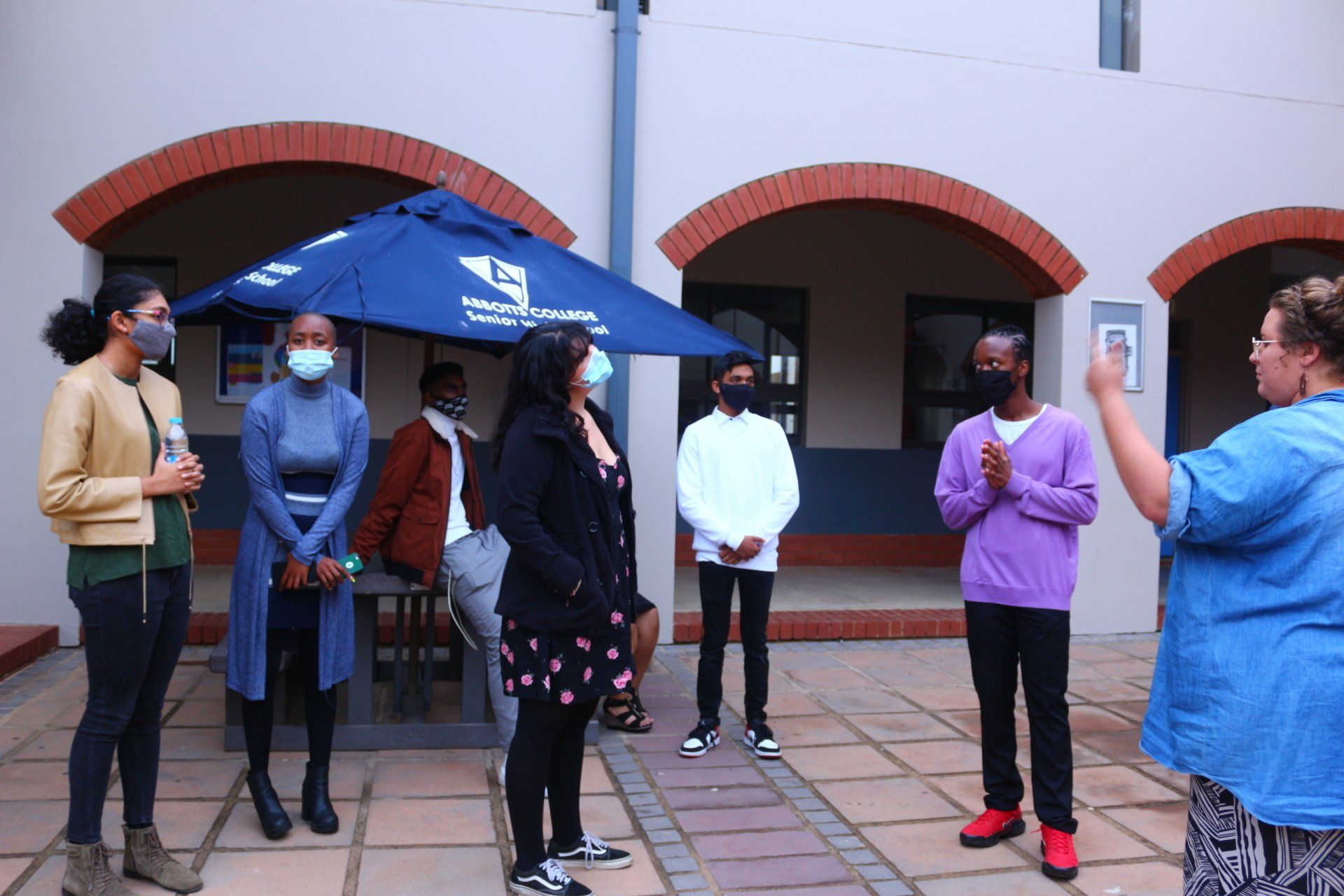
In coming weeks, several higher education institutions will again start hosting on-site Open Days following the virtual events held last year during the height of the Covid pandemic. But although these events will once more be held in-person, prospective students are urged to register as soon as possible, given that numbers will be limited due to Covid safety regulations.
“Those who are serious about furthering their studies next year, and are investigating all their options regarding what the best qualification will be for them, and where they should study, will benefit tremendously from being able to attend these Open Days,” says Peter Kriel, General Manager at The Independent Institute of Education, SA’s largest and most accredited private higher education institution.
Kriel says it is more important than ever before to carefully consider one’s options, given how the world of work has changed in the past year, and also because Covid and lockdowns really highlighted which institutions were able to continue delivering the highest quality academic excellence without losing academic days. Prospective students attending Open Days should specifically ask the question about how the learning experience was maintained during the lockdowns, says Kriel, given that it is not out of the question that there may be disruptions to in-person teaching again in future.
“The days are long gone where Matrics and those who want to pursue a post-graduate qualification had to do little more than sign up at any university for a popular or traditionally prestigious degree. Anyone who wants to go study now, must ensure they are very clear about the connection their chosen qualification will have to real-world opportunities in a few years’ time, as well as the institution’s ability to continue in the face of external challenges,” says Kriel.
He says the first step prospective students need to take, is to find the websites of respected private or public universities and higher education institutions, and then find details of upcoming Open Days. Then they need to register to attend at a number of institutions, so that they can compare their experiences of the campuses and their various offerings before making a decision.
“The point of Open Days is to help prospective students make informed choices. Furthering your education is a significant investment of money and time, so the more you do your research before you embark on your future path, the more likely you are to make a success of your studies,” he says.
While much of the investigations into further studies can be done online, attending Open Days give young people the opportunity to speak to Student Advisors face-to-face, to view and experience campus facilities, to get a taste of campus life, and to speak to current students.
Usually, Open Days include career and qualification guidance, campus tours, overviews of sport and social activities, and residence options.
Kriel says those who are still uncertain about what path they want to pursue, can gain some clarity by speaking to Student Advisors.
“They will be able to help you match your passions and strengths to those qualifications – some which you may not yet even have heard of – that will put you on a path to a successful career in future.
“Very importantly, you also need to ask Student Advisors about the role work-integrated learning plays in the institution’s qualifications, because employers today need to see that a new appointment is able to get the job done from day one, and won’t need months of training to align their academic knowledge to the actual day-to-day demands of the job.”
Open Days also allow prospective students to get a broad overview of careers and career opportunities, as well as the details of the logistics that lie ahead should they decide to apply.
“Matrics should not leave the decision about what to study and where until after their exams, or, even worse, until after they receive their results next year,” says Kriel.
“Open Days provide a great, fun, and non-pressured opportunity to explore your options, and clarify and commit to the road ahead. Getting your plans for next year out of the way sooner rather than later will go a long way toward relieving your anxiety about the future in coming months, which will leave you with more of the mental and emotional energy you’ll need to make a success of your exams.”
To read more insightful blogs from our teachers and educational experts, click
here.
To find out more about Abbotts College and the work we do, click
here.
Feel free to
call or email one of our campus administrators.

Prepare effectively for IEB matric exams with subject-specific study strategies for Maths, English, Sciences & Humanities. A practical guide for Grade 12s.

Wondering what an alternative high school day really looks like? Discover the structure, relationships & student experience that make it different.

Do alternative schools deliver strong academic results? An honest comparison of outcomes between independent and mainstream schools and what the data shows.

Not sure how to compare private schools? Use this practical evaluation guide to assess quality, culture, academics, and value before you commit.

Not sure how the IEB exam system works? Discover what the IEB assesses, how results are calculated, and what it means for your child’s future in plain, simple terms.

Not sure how to guide your teen through career planning? Get practical tips on strengths, subject choices & career paths after matric.

Discover how small class sizes benefit students academically, emotionally and socially. Learn why class size is one of the most important factors when choosing a school

Weighing up private vs public school in South Africa? Explore the honest differences in curriculum, fees, class size and outcomes to make the best choice for your child

Our complete 2026 guide covers curricula, fees, school culture, campus visits, applications, and everything parents need to make the right choice for their child.

Wondering whether the IEB or NSC is better for your child? Our 2026 guide breaks down the key differences in curriculum, assessment, university recognition, and outcomes so you can make the right call.