The Role Of Technology In Education
November 19, 2020
The Benefits Of Technology In Education

In the wake of a global pandemic
impacting the way our children learn, the importance of Edtech has never been more prevalent. Whilst traditional forms of learning are still very much relevant, technology in education has found an even greater role to play. From smart classrooms to home learning, the possibilities and benefits seem to be endless.
At Abbotts College, we’ve always been open to the power of technology and the way that it promotes accelerated learning. It’s why we’re proud of the way that our educators and school integrate it for even more effective lessons. Here are a few benefits of technology in the educational realm.
1) A greater learning experience
Whether it’s an alternative learning school
or a more traditional one, the help of technology in education helps students enjoy an enhanced academic journey. With tech capturing and retaining their attention, they’re more likely to remember what they’ve learned. It also enables teachers to provide more engaging lessons that students actually want to participate in. With greater learner involvement, there’s a much greater likelihood of high results.
2) It promotes access to learning materials
In a traditional education setting, students can only access books and resources when they are physically present at school. Thanks to digital and technology, learners can now access what they need to learn anytime and anywhere. This means that learning can happen beyond the time frame of a normal school day.
3) Students can learn at their own pace
Many technologies facilitate enhanced learning for individual students. This is because they don’t need to wait for others to catch up before moving on to the next chapter or task. As a result, learners remain engaged and stimulated without becoming bored or frustrated.
4) It prepares learners for their future careers
No matter the industry your child might venture into, most involve some sort of reliance on technology. This makes the use of technology within the educational setting a great way to make them more comfortable with it. Even if their dream job doesn’t involve that much technology, the way in which they navigate the world around them certainly requires a fair amount of technological know-how. For this reason, it is advised that students spend a healthy amount of time using devices that could help them communicate, learn and grow.
Smart classrooms with a difference
If you’d like your child to embrace the current challenges of the new normal and successfully navigate an ever-changing world, perhaps it’s time to join us. At Abbotts College, we don’t believe in school bells or uniforms, so your child is free to learn and thrive in a way that prepares them for the future.
If you’re interested in applying for your child to join us in 2021, please click here!
For more on our schools and our unique approach to learning, please visit the following link:
Should you have a more specific query on fees or other aspects of Abbotts College and its campuses, please feel free to direct it to us here: Enquire Now

Prepare effectively for IEB matric exams with subject-specific study strategies for Maths, English, Sciences & Humanities. A practical guide for Grade 12s.

Wondering what an alternative high school day really looks like? Discover the structure, relationships & student experience that make it different.

Do alternative schools deliver strong academic results? An honest comparison of outcomes between independent and mainstream schools and what the data shows.

Not sure how to compare private schools? Use this practical evaluation guide to assess quality, culture, academics, and value before you commit.

Not sure how the IEB exam system works? Discover what the IEB assesses, how results are calculated, and what it means for your child’s future in plain, simple terms.

Not sure how to guide your teen through career planning? Get practical tips on strengths, subject choices & career paths after matric.
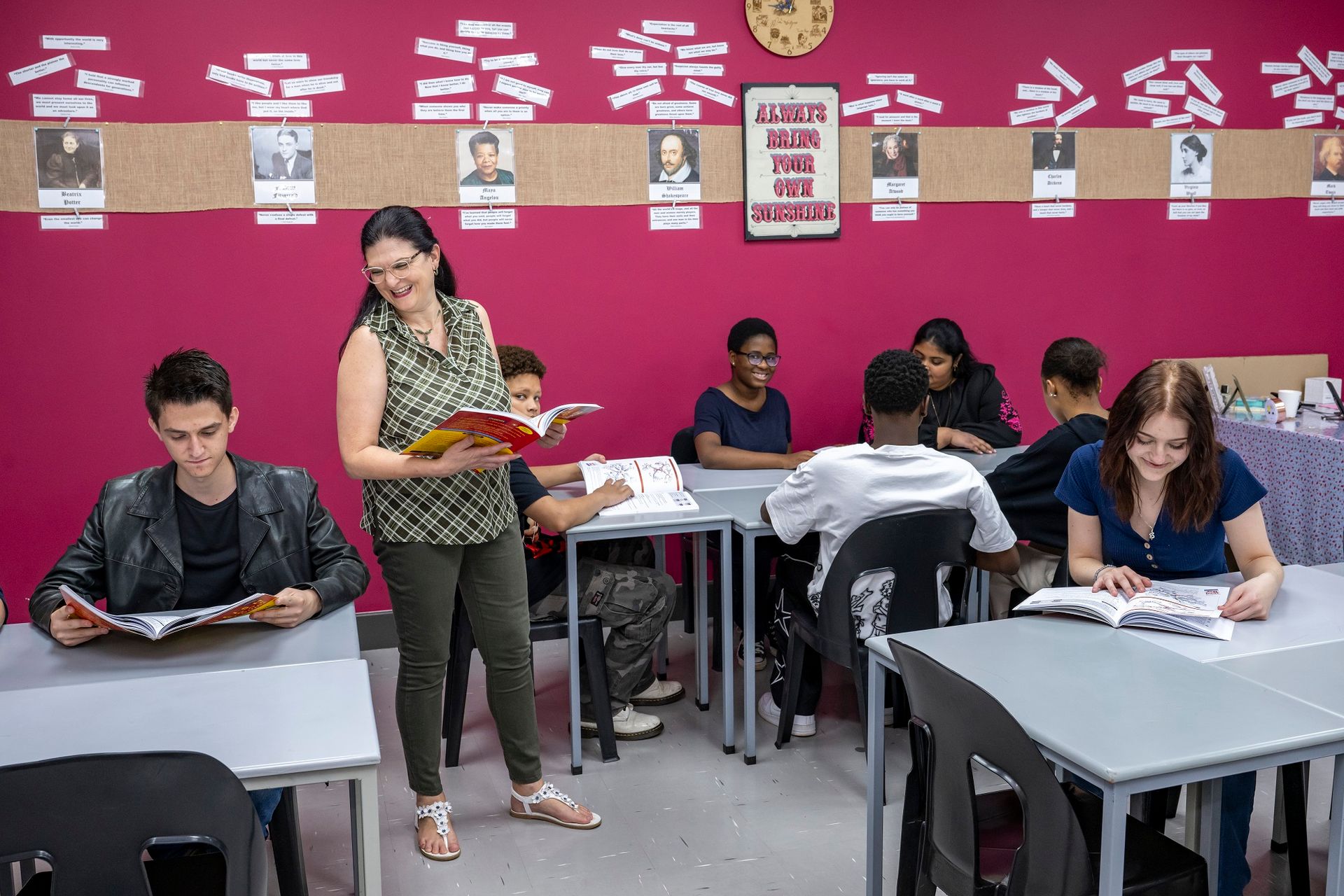
Discover how small class sizes benefit students academically, emotionally and socially. Learn why class size is one of the most important factors when choosing a school
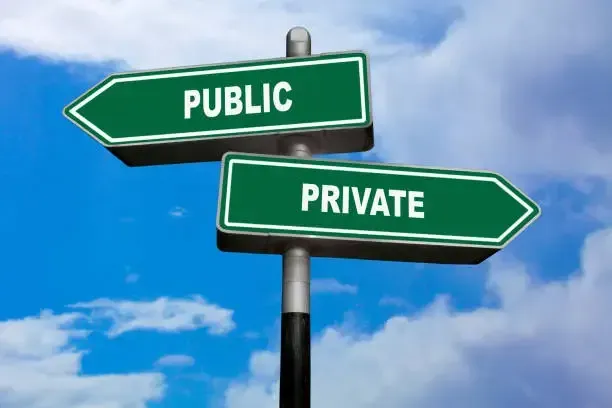
Weighing up private vs public school in South Africa? Explore the honest differences in curriculum, fees, class size and outcomes to make the best choice for your child

Our complete 2026 guide covers curricula, fees, school culture, campus visits, applications, and everything parents need to make the right choice for their child.
Wondering whether the IEB or NSC is better for your child? Our 2026 guide breaks down the key differences in curriculum, assessment, university recognition, and outcomes so you can make the right call.