When Marching to the Beat of a Different Drum Becomes an Asset
Dr Jacques Mostert • April 14, 2021

For some young people, the traditional school with its bells, hair and uniform rules and impersonal atmosphere might not be the most perfect fit. Some young people don’t feel supported; they feel uncomfortable with the group-mentality or feel alienated among their peers.
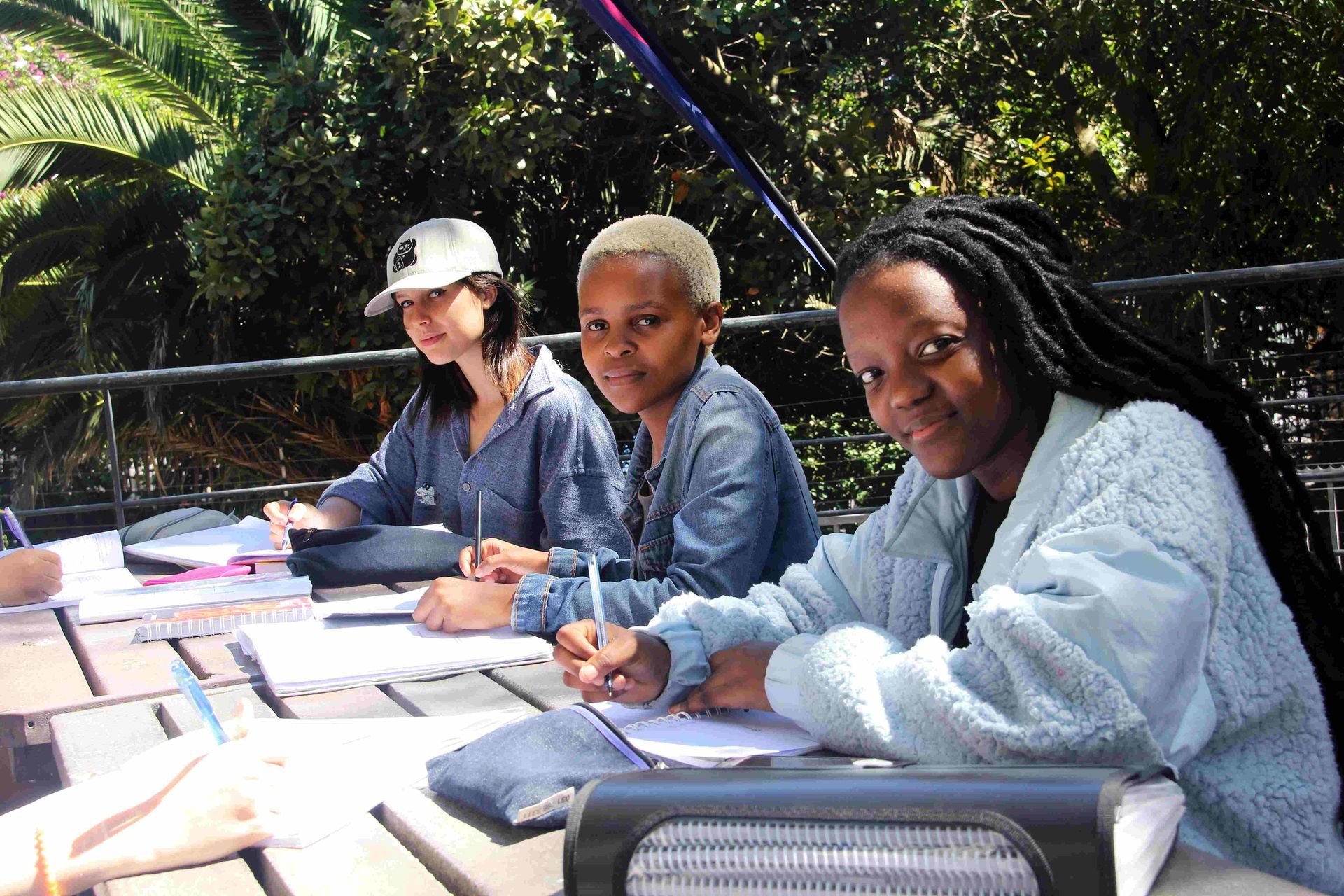
At Abbotts College High School, we treat our students like the young adults they are. There are no bells, no uniforms, no prescriptive hairstyles rules, and most importantly, there are no distractions due to obligatory extra-curricular activities. Learning happens best in an environment where learning, exploring and curiosity form the main culture of learning. Students thrive in a setting where the teachers and mentors are attentive to their individual needs, and where they can learn to take responsibility for their time management and academic progress.
What Makes Abbotts College Different?
Abbotts Colleges are not fixated on the way students look, how they dress, what their individual identity is nor normative group identities. Abbotts Colleges place emphasis on learning impact; showing progress and developing a sense of curiosity in the world. Even more importantly, Abbotts Colleges are about not settling for second best: there are three pillars that support what is accomplished at Abbotts. These are comprehensive individual support, value-added education and specialists teaching and learning.
Comprehensive Individual Support
You might think that with no bells and no set uniform that it must be a very liberal environment, however, Abbotts Colleges are effective because of our structured approach. We have systems in place to assist students and guide them on their educational journey. For example, students receive 7 reports during the year which allows them to track their own progress in a much more comprehensive and self-driven (yet fully supported) way. This high frequency feedback ensures that parents and students know sooner rather than later whether they are on track. An effort level replaces a class average to help the students measure their own progress against themselves and not the group. After each report, a mentor assigned to each student has a progress discussion to help them set new progress targets and decide what plan of action they will follow to achieve these targets. Continuous discussions during the term helps students stay dedicated to their target plan.
Value - Added Education
True value-added teaching and learning means to ensure that education is more than just copying down lines of work from a textbook or staring at formulas on a board. Value-added education can only lead to establishing an effective learning environment if it includes academic mentoring, access to hand-picked teachers and subject specialists. Our students also attend daily guided homework sessions during which time they plan their academic program and have access to teachers to provide one-on-one support. Most significantly, the skills and attitudes that make learning effective can only be fostered if the student can learn in a non-judgemental, safe and supportive, mature environment, where learning is more important than rules and regulations.
Specialists in Teaching and Learning
Our teachers don’t use reports as a way to instil a sense of anxiety in our young people, but rather make use of each report as a learning and progress discussion on an individual basis to make sure the student and teacher understand what additional support is needed and what the next steps in learning should be.
Support and Mentoring
Emotion and behaviour are inextricably linked. Young people behave in a specific way because we feel a specific way, and if anxiety overshadows learning, it is inevitable that learners’ achievement will not be actualise in the way they have envisaged. Mentoring and social and emotional support are integrated into the structure of every day.
At Abbotts Colleges no student should never give up on achieving their dreams. We think that students shouldn’t reach for a plan B, but rather work a plan A 2.0. We invest in second chances, new opportunities, and comprehensive individual mentoring and support.
About Abbotts College High School
While catering for Grade 8-12, the unique approach to education of Abbotts Colleges is underpinned by an understanding that this final and critical phase in a student’s education will shape and determine each their future. Abbotts Colleges aim to ensure that every student achieves academic success in a non-traditional school environment geared towards belonging and inclusion of all.
For more information please visit www.abbotts.co.za
ABOUT Dr Jacques Mostert
A renowned educational expert with more than two decades of experience locally and internationally, Dr Mostert holds a BEd Honours (Cum Laude) and MEd in Curriculum Design from University of Johannesburg. He completed a UK Qualified Teacher Accreditation from the University of East London in the UK as well as a Postgraduate Diploma in Social, Emotional and Behaviour Difficulties from Leicester University in the UK. He completed his PhD in Psychology of Education through the University of Johannesburg. Dr Mostert was awarded the Outstanding grade for Teaching and Learning by Her Majesty’s Office in Standard in Education (Oftsed), has published peer reviewed articles in international journals, presented and international education conferences, led and presented staff development seminars and is currently the Brand Academic Manager of ADvTech’s Niche School Brands in South Africa. Dr Mostert has conducted research in teaching and learning practices in Denmark, the UK, South Africa and The Netherlands.

Prepare effectively for IEB matric exams with subject-specific study strategies for Maths, English, Sciences & Humanities. A practical guide for Grade 12s.

Wondering what an alternative high school day really looks like? Discover the structure, relationships & student experience that make it different.

Do alternative schools deliver strong academic results? An honest comparison of outcomes between independent and mainstream schools and what the data shows.

Not sure how to compare private schools? Use this practical evaluation guide to assess quality, culture, academics, and value before you commit.

Not sure how the IEB exam system works? Discover what the IEB assesses, how results are calculated, and what it means for your child’s future in plain, simple terms.

Not sure how to guide your teen through career planning? Get practical tips on strengths, subject choices & career paths after matric.
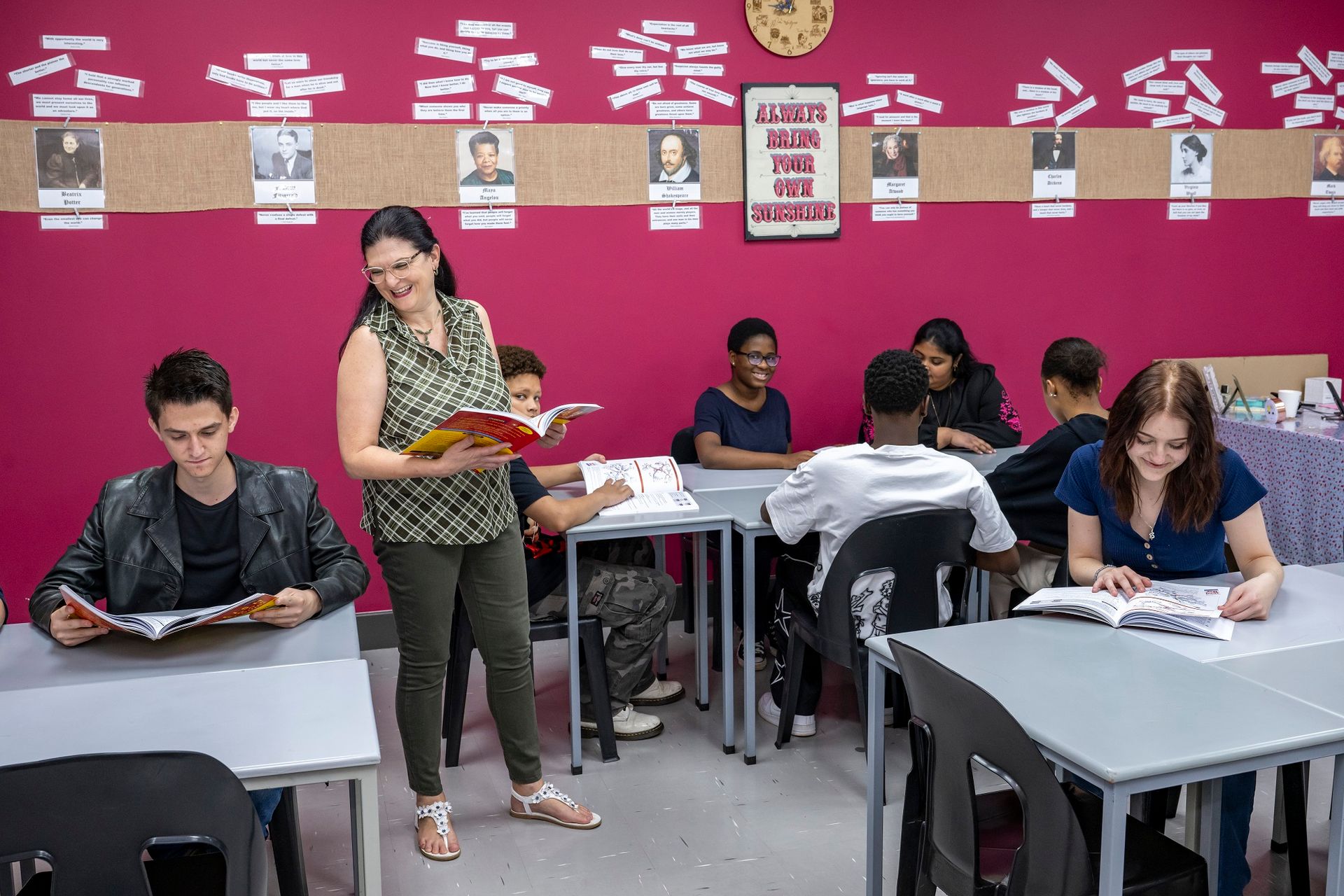
Discover how small class sizes benefit students academically, emotionally and socially. Learn why class size is one of the most important factors when choosing a school
Weighing up private vs public school in South Africa? Explore the honest differences in curriculum, fees, class size and outcomes to make the best choice for your child

Our complete 2026 guide covers curricula, fees, school culture, campus visits, applications, and everything parents need to make the right choice for their child.
Wondering whether the IEB or NSC is better for your child? Our 2026 guide breaks down the key differences in curriculum, assessment, university recognition, and outcomes so you can make the right call.