
5 Ways To Prevent High School Burnout
June 2, 2020
Tips On How To Prevent Burnout In High School

Have you noticed that your child appears to be demotivated and even anxious? Whilst this might be due to the pandemic, it could also be a sign of high school burnout. With an increased focus on online learning over this period, it’s possible that your child might be feeling the pressure. With academic and school burnout presenting a very real threat to the wellbeing of your teen, here’s how you can recognise and prevent it.
How to spot it:
If you know what to look for, it’s fairly easy to flag before it starts to negatively impact your child. Should your teenager be struggling with this kind of burnout, you might notice that:
- They have no motivation when it comes to schoolwork.
- They appear and feel exhausted even if they’ve slept well.
- They are irritable and sometimes lash out at those around them.
- They seem less confident in themselves and can’t concentrate.
- They complain of headaches or muscle pains.
- They are less creative and less likely to meet their deadlines.
- They get sick more often or feel anxious and depressed.
- They’ve lost interest in the things they used to enjoy previously.
- They’ve taken to bad habits like later bed times, nail biting or even eating badly.
Getting a handle on it
Where burnout is concerned, there’s a lot you can do both as a parent and as a family to ensure that your child comes through this rough patch. With a little patience and a lot of love, your teen will soon be back to their old, happy self again.
1) Reshuffle the schedule to include things they love
Yes, children thrive on routine but in times of burnout, they need to have a few spontaneous activities to bring back their spark. When you add these into their normal school week, they’ll start to feel a bit more motivated. This could be a session in the kitchen, a walk around the neighbourhood or even a craft.
2) Make sure they’re exercising
Exercise is a fantastic way to mitigate the impact of stress. This makes it an optimal tool for dealing with burnout. It’ll also help your child get outdoors, allowing them to reap the benefits of fresh air and vitamin D. Aim for short sessions of activity at least three times a week.
3) Encourage them to stay social
When your child is burned out, they can become withdrawn. As a result, they pull back from friends and those who can help them feel better. By making time for friends and family, they can get their positivity back and spend time with those who bring out the best in them.
4) Avoid procrastinating at all costs
They might be feeling down but procrastination
is certainly going to make your teen feel worse. Wherever possible, help them stay on track with deadlines
so that they can still get the satisfaction of delivering what they need to. It’ll also help them keep their routines in place, whilst preventing additional pressure and stress.
5) Create safe, open channels of communication
If your child ignores their emotions, they’ll only continue to get the better of them. Creating a safe space for them to talk
about their experiences will allow them to express themselves. It’ll also ensure you can help them. Make sure your child isn’t bottling things up and promote them sharing their emotions. Lead by example and share yours so that they know it’s normal to do so.
At Abbotts College, we keep the best interests of your child at heart so that they can be the best versions of themselves. Our mentoring system allow students to receive one on one guidance from their mentor teacher. To read more on us and our schools, please click below.
Trying to decide between a gap year and university after matric? Compare the pros, cons and alternative pathways to help you choose with confidence.
Wondering what to ask on a school tour? Discover the key questions every parent should ask at a school open day to find the right fit.
Active listening, honest conversations and healthy parental role modelling can help teenagers feel safe enough to speak openly about their mental health.

Bringing more than 21 years of educational experience to Randburg, Marion Kohler is building a school where students are known, supported and inspired to achieve their potential.
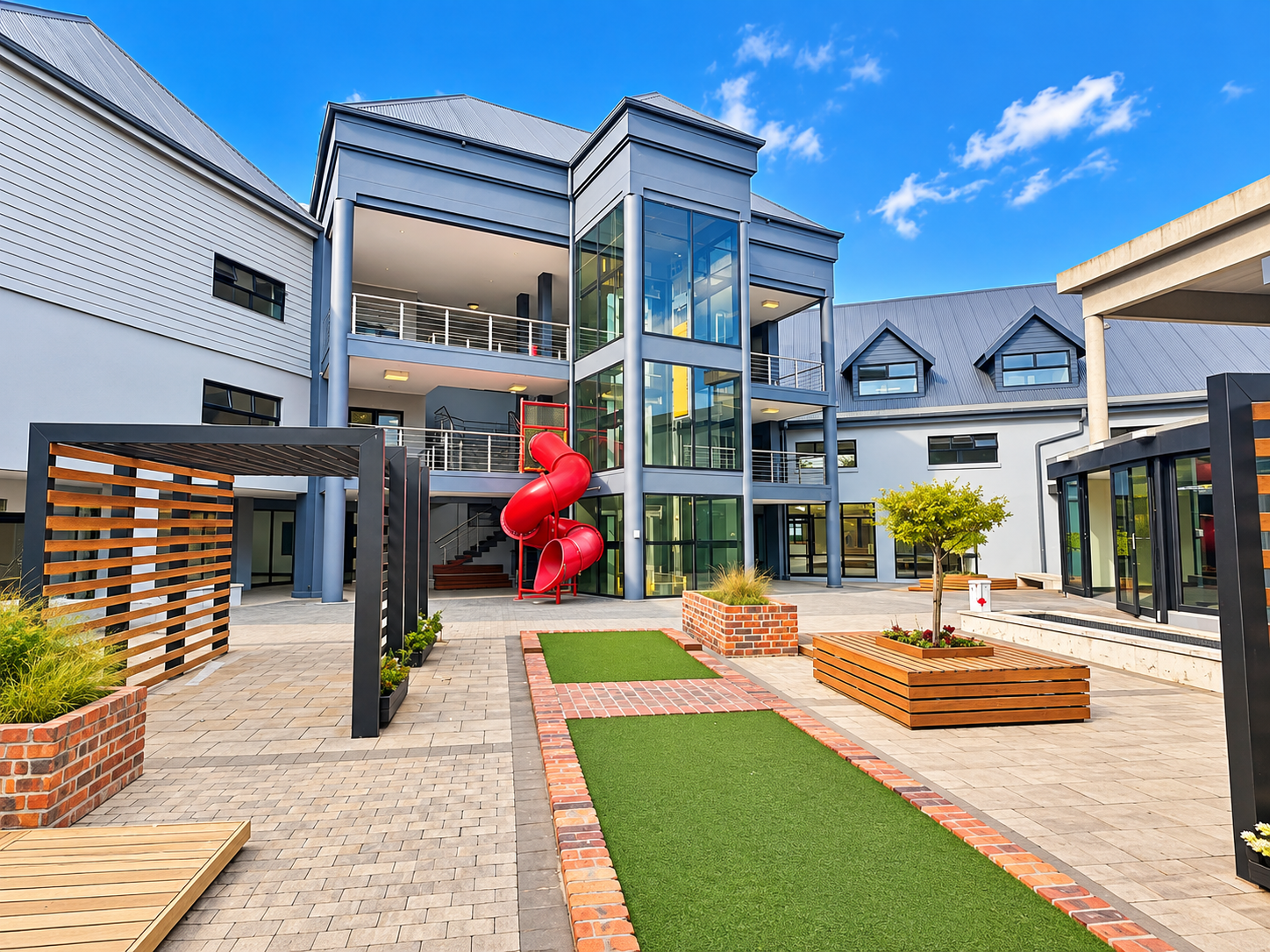
Abbotts High School Bordeaux will open its doors to Grade 8 and Grade 9 students, offering an exciting educational experience where individuality is celebrated, academic ambition is encouraged and every student is known.
Prepare effectively for IEB matric exams with subject-specific study strategies for Maths, English, Sciences & Humanities. A practical guide for Grade 12s.
Wondering what an alternative high school day really looks like? Discover the structure, relationships & student experience that make it different.

Do alternative schools deliver strong academic results? An honest comparison of outcomes between independent and mainstream schools and what the data shows.

Not sure how to compare private schools? Use this practical evaluation guide to assess quality, culture, academics, and value before you commit.
Not sure how the IEB exam system works? Discover what the IEB assesses, how results are calculated, and what it means for your child’s future in plain, simple terms.